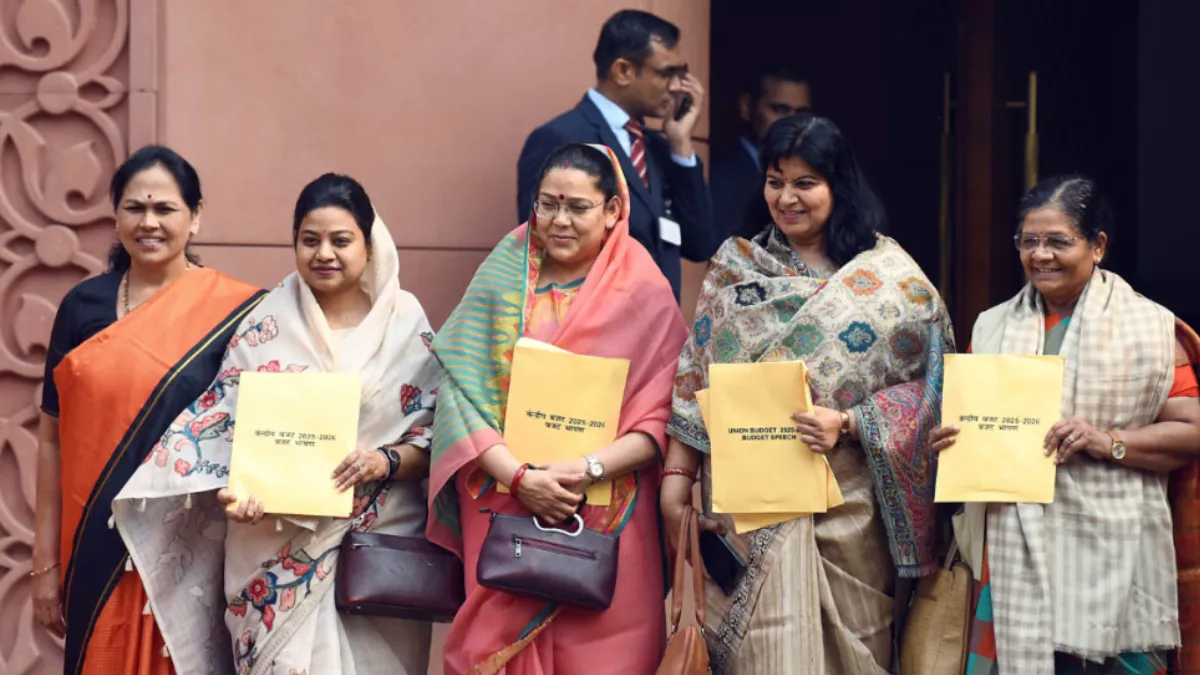
The Centre is considering a special session of Parliament to revive legislation related to women’s reservation and delimitation Bill in October 2026, after a setback in April 2026. The proposed bills could reshape India’s electoral system by boosting women’s representation in legislatures and redrawing constituency boundaries.
This time the government is seeking support from opposition parties, including the DMK, to secure the needed majority for the proposed legislation. The earlier constitutional amendment bill failed to secure the two-thirds majority in the Lok Sabha.
What Is the Women’s Reservation Bill?
The Constitution (One Hundred and Sixth Amendment) Act, 2023, also known as the Nari Shakti Vandan Adhiniyam, provides for reserving one-third of seats for women in the Lok Sabha, state legislative assemblies and the Delhi Assembly.
The reservation also includes seats reserved for Scheduled Castes and Scheduled Tribes. However, execution was linked to a census conducted after the Act kicked in, followed by delimitation.
The government’s 2026 proposed bill aimed to boost implementation, potentially allowing women’s reservation to be enforced before the 2029 general election.
The legislation aims to resolve the underrepresentation of women in Indian politics, encourage broader participation in policymaking and improve gender balance in elected institutions. However, the present 2023 law does not automatically introduce the quota without the prescribed implementation steps.
Related Stories
What Is the Delimitation Bill?
Delimitation implies redrawing electoral constituency boundaries and determining how many seats each constituency or state secures in legislative bodies.
The proposed Delimitation Bill, 2026, seeks to forge a framework for a latest delimitation exercise. The constitutional amendment proposal also targeted expansion of the Lok Sabha’s strength, possibly to 850 members, to accommodate changes in representation.
Delimitation is crucial because population changes over decades can impact the distribution of parliamentary seats. Supporters state that constituency boundaries and representation need revision to reflect demographic changes.
However, the proposal has raised concerns, particularly among southern states, which fear that population-based redistribution could lower their comparative political influence compared with more populous northern states.
Why Do the Two Bills Matter?
The bills are closely linked because delimitation would identify the constituencies in which women’s reserved seats would be enforced.
Both Bills necessitate in-depth parliamentary consideration and, for constitutional amendments, the needed special majority. The government must also address concerns about regional representation and the fairness of the process.