El Nino is an important topic in physical geography and general awareness. It refers to the unusual warming of surface waters in the central and eastern Pacific Ocean.
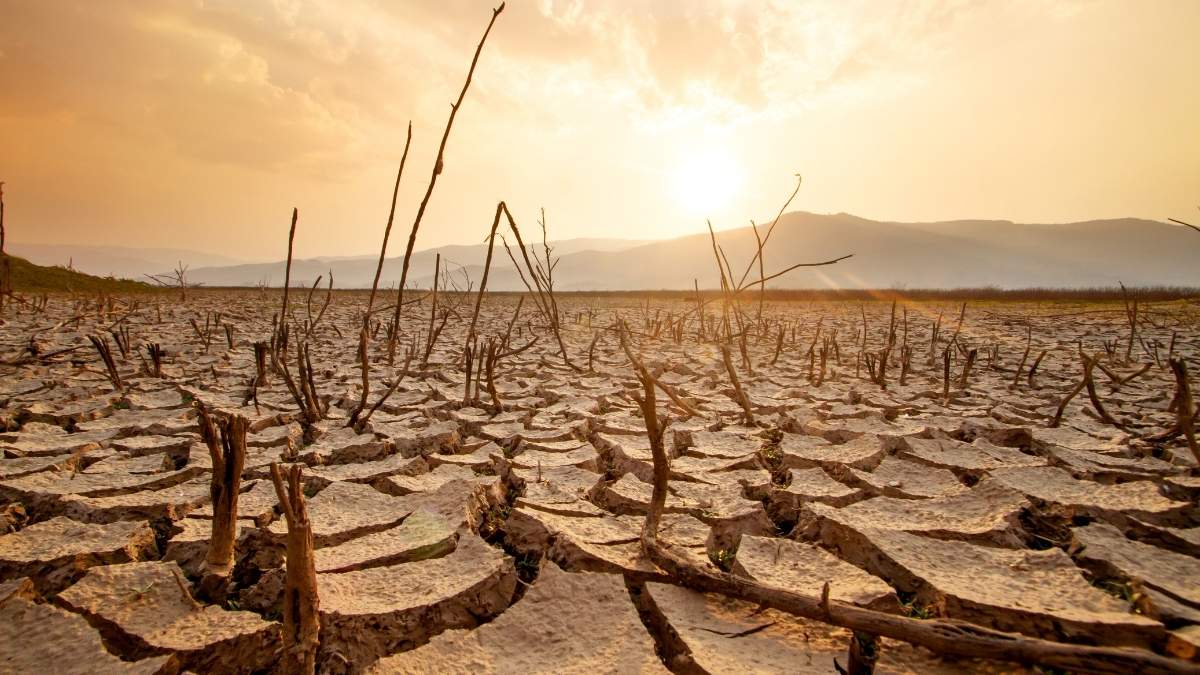
Historical climate records show that out of 16 super El Nino events documented since 1950 five led to severe droughts across India.
And current data from the National Oceanic and Atmospheric Administration (NOAA) shows that a new El Niño is forming in 2026. This is going to disrupt Indian monsoon this year and can be the strongest El Niño event in history still the peak global temperature will arrive in 2027 instead.
How El Nino Affects the Indian Monsoon?
There is a direct link between warmer Pacific Ocean waters and weak rainfall in India and we know it as the El Niño effect.
A total of 16 El Nino cycles have occurred over the last seven decades on Earth. Five of these climate effects have caused major rain deficits in India and led the country to dried up reservoirs and agricultural losses.
During an El Niño warm water moves eastward toward South America. This movement changes air pressure patterns across the globe. It also creates dry sinking air over India which prevents rain clouds from forming during the summer monsoon season.
Related Stories
|
Period / Event Category
|
Years of Occurrence
|
Direct Impact on Indian Rainfall
|
|
El Nino Cycles (Since 1950)
|
16 Events
(Example, 1965, 1972, 1982, 1987, 1997, 2002, 2009, 2015)
|
Weakened trade winds and shifting global rain patterns
|
|
Severe Drought Years in India
|
1965, 1972, 1982, 1987, 2002, 2009
|
Monsoon rainfall fell far below seasonal averages
|
|
Current Active Cycle
|
2026 to 2027 Cycle
|
Weak monsoon in 2026; record global heat expected in 2027
|
Why 2027 will be Hotter Than 2026
Even though 2026 El Niño is the strongest in the history the year will not be the hottest on record.
Scientists expect 2026 to be the second warmest year and 2027 will likely take the top spot.
This happens because of a heat delay between the ocean and the atmosphere. Heat stored deep inside the Pacific Ocean takes many months to release into the air above it.
Right now global baseline temperatures are already higher due to greenhouse gas emissions. This delayed ocean heat will push global temperatures to record breaking highs in 2027, claim scientists.
-
Deep Pacific waters are warmer than usual and are releasing energy into the air over time.
Ocean heat takes up to a year to fully impact worldwide surface air temperatures.
Sinking air patterns continue to reduce seasonal rainfall across major farming states in India.
Important Terms to Remember for Exams
The El Niño Southern Oscillation (ENSO) In geography has two main phases.
-
La Niña
El Niño is the warm ocean phase and La Niña is the cool ocean phase.
When sea surface temperatures rise 2°C or more above average scientists call it a strong or Super El Niño. A knowledge of these climatic cycles helps us understand global weather shifts water storage needs, and crop production risks.