US President Donald Trump has waived crucial sanctions, restrictions and tariffs targeting Russia and countries purchasing its oil and gas on October 16, thus providing temporary relief to India amid threats of 100% tariffs over its Russian energy imports as announced by the the United States (US) earlier.
The development came just days before new provisions of the Lindsey O. Graham Sanctioning Russia and Iran Act of 2026 were due to be implemented. The legislation was developed to boost economic pressure on Russia over its war with Ukraine and felicilate the US to penalise main buyers of Russian energy.
What Has Trump Waived Tariffs on Russian Oil?
The earlier law provided for tariffs of up to 100% on goods entering the United States from the five largest importers of Russian crude oil and natural gas, depending on specified conditions. It also encompassed other sanctions and limitations targeted at Russia and countries driving sanctions breach.
Presently, Trump invoked a provision allowing the US president to waive these measures by certifying to Congress that this in the national interest. The waiver nullifies the specified penalties but does not permanently scraps the law. The administratgovernment ion retains the authority to review the order and restore measures if scenario changes.
Related Stories
Why Is the US’ Tariff Waiver Important for India?
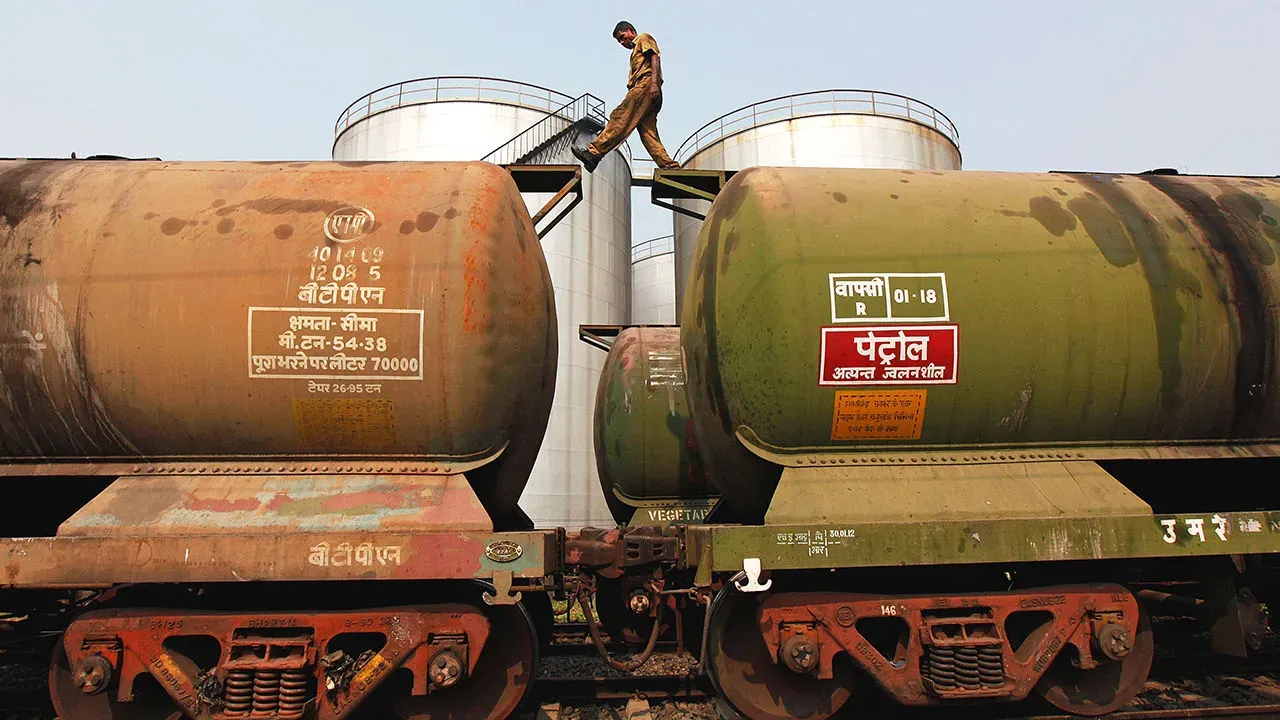
India is one of the world's main purchasers of Russian crude oil. Discounted supplies from Russia have helped Indian refiners handle costs and diversify their sources of energy since Western countries enforced restrictions after Russia's invasion of Ukraine in 2022.
The threatened US tariffs had ignited concerns that India's purchases of Russian oil could cause estra duties on Indian exports to the American market. Such penalties could boost costs for exporters and harden bilateral trade negotiations.
The waiver lowers the instant risk of this additional tariff pressure. It also provides Indian policymakers and businesses more scope to manage energy imports while sustaining commercial relations with the US. However, it does not remove every present US sanction on Russia or guarantee that any new tariffs will not be imposed.
Why Has the US Changed Its Approach on Russian Oil?
The development embodies competing priorities within US policy as it wants to sustain pressure on Russia over the Ukraine war, but tighter trade penalties could also disrupt global energy supplies and boost fuel costs for American consumers.
The measure comes amid heightened oil prices and doubts about domestic inflation before the US midterm elections. Permitting Russian energy to reach global markets without causing threatened penalties could restrict pressure on fuel prices.
The waiver also evades an immediate confrontation with massive trading partners, including India and China, which remain crucial buyers of Russian oil.
Impact on India’s Fuel Prices
The US sanctions waiver on Russian oil acts as an integral stabilizer for India’s retail fuel prices (petrol and diesel), thus fostering Indian consumers from massive fuel price hikes. It also enforces that India's flow of discounted crude oil stays undisrupted.