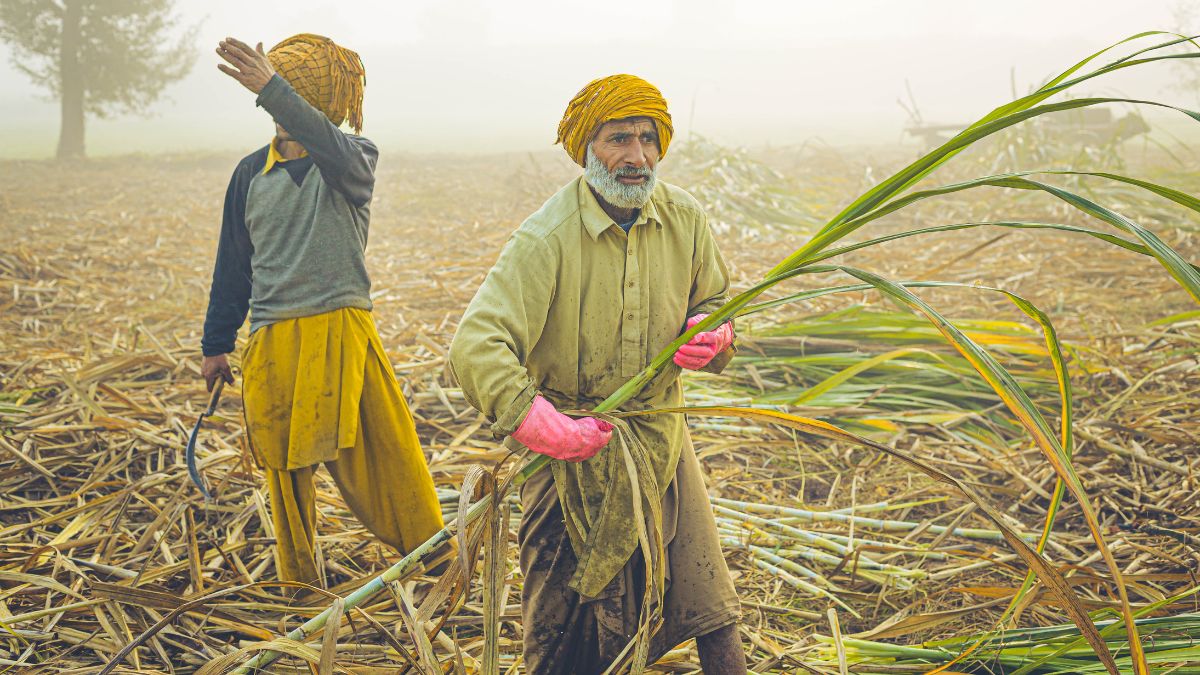
Agriculture continues to be one of the most important sectors of the Indian economy. It provides employment to millions of people and makes a huge contribution to food security in the country. The climate and geography of India are so varied that farmers can grow a wide variety of crops all year round. Crops grown in India are broadly classified into three groups namely Kharif, Rabi and Zaid depending upon the rainfall, temperature and seasonal conditions. Each crop season is important for steady production of food grains, fruits and vegetables, oilseeds and cash crops.
What Are Kharif, Rabi and Zaid Crops?
Indian agriculture is seasonal in nature and is closely related to the climatic conditions of the country. Kharif crops are those which are sown with the advent of monsoon and harvested in the winter season. Rabi crops are those which are grown in the winter and harvested in the summer season. Zaid crops are those which are grown during the short summer period between the two major seasons.
The three cropping seasons have helped to maximise the agricultural productivity and to ensure the land remains productive throughout the year. Together they make India one of the world’s largest producers of agricultural products.
Related Stories
Kharif Crops in India
Kharif crops are sown with the onset of the southwest monsoon, usually between June and July, and harvested from September to October. They require warm temperatures and plenty of rain during the growing season. Monsoon rains are important for Kharif cultivation and the success of these crops often depend on the distribution of rainfall across the country.
Rice is the most important Kharif crop grown in India and is staple food to millions. Other important Kharif crops are maize, cotton, soybean, groundnut, jowar, bajra and arhar. These crops are important sources of food for people, feed for livestock and raw materials for industry. Rice is grown in many states like West Bengal, Uttar Pradesh, Telangana, Punjab, Andhra Pradesh and Chhattisgarh. Gujarat leads in cotton production, while Madhya Pradesh is the largest producer of soybeans in India. Karnataka and Bihar are also important contributors in maize production.
Rabi Crops Of India
Rabi crops are sown after the monsoon season, generally between October and December, and harvested from March to April. These crops require cooler temperatures during the growing stage and relatively dry weather during harvesting. Irrigation facilities are particularly important for successful Rabi cultivation because rainfall is limited during winter.
Wheat is the most important Rabi crop in India and a significant portion of the country’s food grain production. Other important Rabi crops are mustard, gram (Chana), barley, peas and masur. These crops contribute to the nutritional requirement of the population as well as to the agricultural income to a great extent.
Uttar Pradesh, Punjab, Haryana and Madhya Pradesh are major wheat producing states, thanks to the fertile plains of northern India. Rajasthan produces mustard in large quantities. Madhya Pradesh grows gram in large quantities.
Zaid Crops in India
Zaid crops are the crops which are grown in this short duration between Rabi and Kharif season, generally from March to June. There is little rain during this time so irrigation is very important to the farmers. Zaid crops are grown in less area as compared to Kharif and Rabi crops but they are important for supply of fresh fruits and vegetables in summer months.
The normal Zaid crops are watermelon, muskmelon, cucumber, pumpkin, bitter gourd and different fodder crops. Where reliable irrigation is available, these crops are widely cultivated.
Zaid is widely grown in states like Uttar Pradesh, Bihar, Punjab, Haryana and Rajasthan. The farmers utilise this season to earn some extra income before the monsoon sets in.
State-Wise Major Crops in India
Punjab
Punjab is called the 'Granary of India' because of its enormous contribution in food grain production of the country. The state is a large producer of wheat and rice and has an important role in food security for India. Punjab became one of the most productive agricultural areas in India with modern farming techniques, high-yielding seed varieties and extensive irrigation systems as a result of the Green Revolution. Besides wheat and rice, the farmers of Punjab also grow maize, sugarcane, cotton and many varieties of vegetables. The state is a model of intensive farming and is successful in agriculture.
Haryana
Haryana is one of the leading agricultural states of India and contributes significantly towards wheat, rice, mustard and cotton production. The state has the advantage of fertile alluvial soil and a huge network of irrigation. Modern farming practices and mechanisation has resulted in huge increase in productivity in Haryana. Agriculture continues to be the backbone of the state’s economy and farmers are still adopting latest technologies to raise crop productivity. Haryana is also one of the top milk producers and has a major role in India’s dairy sector.
Uttar Pradesh
Uttar Pradesh is the largest producer of sugarcane in India and one of the major producers of wheat, rice, potato and pulses. The fertile soil of the Gangetic plains is very suitable for agriculture and can support a great variety of crops. The state has a large agricultural work force and contributes largely to the food grain reserves of India. Uttar Pradesh’s sugar mills are heavily reliant on the state’s large-scale sugarcane farming and it is one of the key states in the country’s sugar industry. Agriculture continues to be one of the main sources of livelihood for millions of people in the state.
Madhya Pradesh
Madhya Pradesh is commonly known as the ‘Soybean State of India’ for contributing the largest share of the country’s soybean production. It is also the largest producer of gramme (chana) and a leading producer of wheat in India. Big holdings of agricultural land, good climatic conditions and better facilities for irrigation have helped raise the productivity of crops. Madhya Pradesh is an important player in India’s oilseed and pulse production and has become one of the agricultural powerhouses in the country.
Rajasthan
Rajasthan is a major agricultural state, despite the desert landscape and dry climate. It is the largest producer of mustard, bajra in India and contributes major share in pulse production. Farmers have adapted to harsh climates by growing drought-resistant crops and improving their irrigation systems. Agriculture is still an integral part of the economy of Rajasthan and its mustard fields are famous during the flowering season.
Gujarat
Gujarat is one of the leading cotton, groundnut and castor seed producing states in India. The State enjoys a climate favourable for the growth of a number of cash crops which are important for the domestic industries and for export. Gujarat’s cotton production is especially important as it provides raw material to India’s textile industry. The state has also made significant progress in irrigation and water management and has helped the farmers to improve their productivity.
Maharashtra
Maharashtra is one of India’s largest producers of sugarcane, cotton, soybean and grapes. The agricultural landscape of the state is quite diverse from food grains to horticultural crops. Maharashtra is particularly famous for grape cultivation and it contributes significantly to India’s fruit exports. It is also known for Alphonso mangoes in the Konkan belt. Agriculture is a major contributor to the state’s economy despite increasing industrialisation.
West-Bengal
West Bengal is the largest producer of rice and jute in India. The state’s rich river plains and ample water resources make it a prime location for agriculture. Rice is the backbone of the agricultural economy and millions of farmers in the state depend on it. West Bengal is also the largest producer of jute in the country providing raw material to the textile and packaging industries. The state’s agriculture diversity comprises vegetables, fruits, tea and fisheries.
Telangana
Telangana has emerged as one of the major agriculture producing states in very short span of time particularly in rice, cotton and maize. Agricultural productivity has been greatly enhanced through government programmes for the development of irrigation infrastructure. The state has expanded its irrigation network through large projects, helping farmers increase crop yields. Agriculture continues to be a primary livelihood for a large section of the population in Telangana.
Karnataka
Karnataka is a leading producer of maize, coffee, ragi and several horticultural crops. The state is well known for its coffee cultivation and contributes considerably to India’s coffee export. Karnataka has different climatic zones for cultivation of crops from cereals and pulses to spices and plantation crops. The state is also known for its growing horticulture sector which includes fruits, vegetables and flowers.