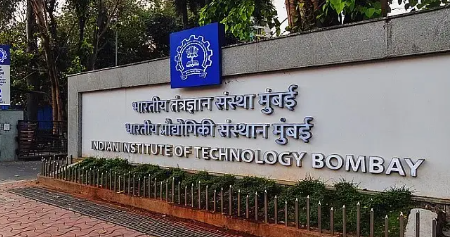
The Indian Institute of Technology Bombay (IIT Bombay) has reiterated its anti-discrimination guidelines, advising students against asking their peers about their caste, admission category, JEE Advanced ranks or GATE scores. The institute has warned that such questions, even when asked out of curiosity, could create conscious or unconscious bias and negatively affect students.
The advisory was circulated through an email from the Office of the Dean of Student Affairs on October 13, 2026. The move comes amid renewed concerns over student welfare, campus inclusivity and allegations of caste-based discrimination following the death of a second-year BTech student.
According to the guidelines, IIT Bombay aims to ensure that students interact with one another without discrimination based on caste, religion or socioeconomic background. The institute has also reiterated its commitment to implementing the constitutional reservation policy and providing equal opportunities to all admitted students.
Also Read l Board Exam Time Table 2027 LIVE
IIT Bombay Anti-Discrimination Guidelines: What Students Need to Know
Under the guidelines, students, faculty members and staff are advised not to ask students about their birth or admission category. The institute has also cautioned against asking about JEE Advanced ranks, GATE scores or other information that could reveal a person's caste or related social background.
IIT Bombay stated that questions that may appear harmless to the person asking them could have an adverse impact on the student answering them. Such inquiries may be perceived as attempts to identify a student's caste or reservation category, potentially creating an environment where discrimination can occur.
The guidelines also prohibit the exchange or forwarding of abusive, hateful, casteist or sexist messages and jokes. Content that displays prejudice based on religion or sexual orientation, or that could amount to harassment or bullying, is also prohibited. These restrictions apply to communication through platforms such as WhatsApp, Facebook and email, as well as in-person interactions.
IIT Bombay Students Question Repetition of Advisory
The renewed advisory has drawn criticism from students protesting at the institute's main gate. The protesters have argued that similar anti-discrimination guidelines were circulated in 2023, following the death of student Darshan Solanki, and have questioned whether repeating the advisory is sufficient to address concerns about discrimination on campus.
Students have also raised concerns that, although the guidelines acknowledge that discrimination can originate from faculty members and staff, the communication appears to focus primarily on the student community. They have called for a direct dialogue with the administration and more substantive measures to address their concerns.
The latest developments follow the death of Sahil Wakode, a second-year BTech student who died by suicide on September 18, 2026. His family has alleged harassment and caste-based discrimination. These allegations have brought renewed attention to student safety, institutional grievance mechanisms and the need for a supportive academic environment.
The circumstances surrounding the student's death and the allegations should be distinguished from the institute's general anti-discrimination advisory. The renewed guidelines underline the importance of respectful interactions, but students have called for broader engagement and effective action to address concerns about campus discrimination.