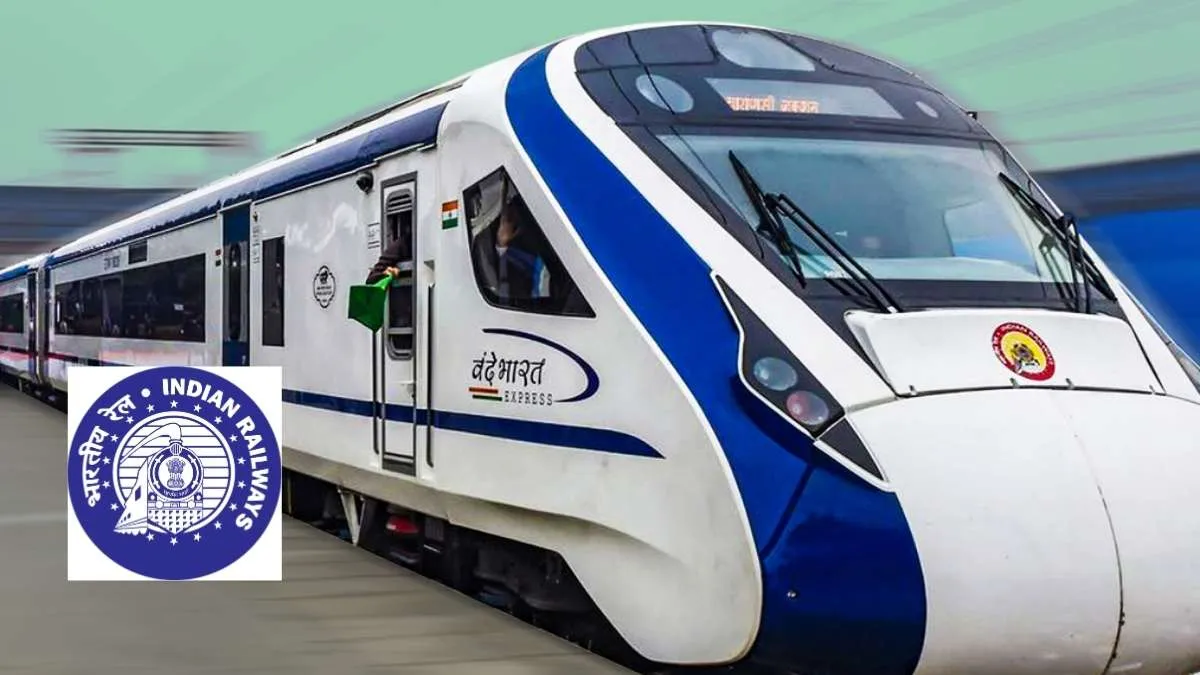
After so many years, the Indian Railways system is getting upgraded. In the digital age, as a forward step towards Viksit Bharat, the oldest Indian department, Railways is also undergoing an aesthetic upgrade. The Indian railway system has kicked off its massive digital transformative journey with scheduled deployment of its upgraded, cloud-enabled Passenger Reservation System (PRS).
This transformation is a leap upgrade from the previous system that dealt with booking the tickets for many years. The new PRS will use the latest technology and facilitate faster, more reliable, hassle-free booking for passengers and will resolve major issues of the previous system.
What Are the New Updates Under the Passenger Reservation System (PRS)?
The upgraded Passenger Reservation System (PRS) is a major upgrade to Indian Railways ticket booking services. The biggest advantage with the new PRS is the speed, which enables passengers to best use their time and get well booked tickets. In addition, the upgraded system also provides better and easier convenience to the passengers hence the name of ‘new PRS’. The upgraded PRS also offers information such as technical glitches, smooth booking, glossy enquiry and many more. The upgraded PRS has many added benefits which are listed below.
Related Stories
-
Higher processing capacity is one of the key highlights of the new PRS that makes it capable of handling a larger number of users without the risk of crashing or lagging.
The system is now capable of processing over 1.5 lakh ticket bookings per minute, as opposed to a maximum of 32,000 in the old PRS, thus giving a faster ticket booking experience.
The capacity of the enquiry features has also increased from 4 lakh to more than 40 lakh enquiries per minute, providing a relatively fruitful experience in checking PNR status, seat availability, and waitlist status.
This upgrade in capacity would also minimise the chances of the PRS going down, slow-loading webpages, or failure in booking due to payment/technical faults that used to a large extent occur during peak booking hours such as “Tatkal” hours, festivals, holidays, and certain post-monsoon rush periods.
Thus, the new PRS would make ticket booking much simpler, faster, and more reliable for all users, even when there are millions of users in the system at a given time.
How Is the New PRS Making Tatkal Booking Faster, Safer, and More User-Friendly?
The new PRS- (Passenger Reservation System) has made booking Tatkal tickets more convenient and quicker. Earlier, booking was accompanied with problems like frequent CAPTCHAs, system slowness, and crashes because of high booking request. These problems have been minimised. Booking has become smoother, and chances to book tickets are higher without the hassle. In addition, security has also been increased as passengers now have to verify their identity using Aadhaar or DigiLocker in addition to OTP. This reflects an attempt to curtail frauds and fraudulent bookings.
The website and the app, too, have been given a new look - user-friendly and less intimidating. Students and other passengers can see seat availability of all classes on one screen, similarly to airline websites. New additions like fare calendars and seat selection are easy-to-use features for booking on par with airlines. The platform is multilingual, and has features to cater to specially-abled people as well, making it user-friendly for all.
How is the New PRS different from the older platform?
The table below shows the main differences between the old PRS and the new PRS for chart planning and passenger convenience. Thanks to earlier charting and new AI-powered insights, passengers will be able to avoid uncertainty when planning their journey.
|
Feature
|
Old PRS System
|
New PRS System
|
|
Chart Preparation Time
|
4 hours before departure
|
8 hours before departure
|
|
Morning Train Charting
|
Same-day charting closer to departure
|
Finalised by 9:00 PM previous day (for trains departing before 2:00 PM)
|
|
Waitlist Clarity
|
Limited, last-minute confirmation updates
|
Earlier clarity on ticket status
|
|
Planning Flexibility
|
Less time to make alternative arrangements
|
More time to plan alternatives if not confirmed
|
|
Use of Data & Analytics
|
Minimal or no predictive insights
|
AI-based predictions using historical booking data
|
|
Waitlist Confirmation Prediction
|
Not available
|
Likelihood of confirmation estimated
|
|
Passenger Decision-Making
|
Based on uncertainty and guesswork
|
More informed decisions based on data insights
|
So, passengers will now be free to make a hassle free travelling plan. The railway customer can now rely on the system for a better treatment.