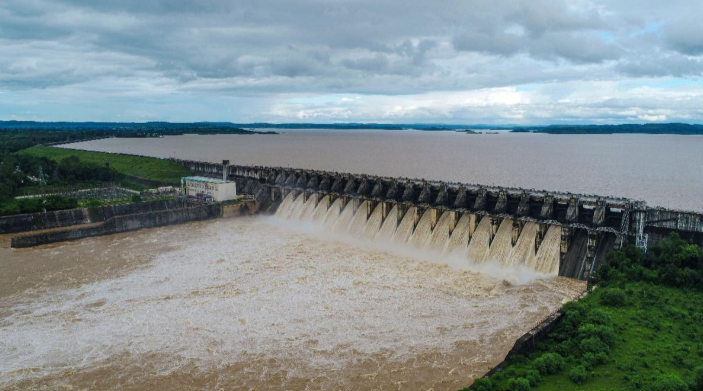
India has thousands of large and medium-sized dams supporting farmers and supply of drinking water. India is one of the world’s leading countries in dam construction. These dams play a vital role in hydroelectric power generation and flood control. Maharashtra has the highest number of dams in India. Keep reading to know in detail.
Which Indian State Has the Most Dams?
According to the National Register of Large Dams (NRLD) maintained by the Central Water Commission (CWC), Maharashtra has the highest number of large dams in India. The state has more than 2,300 large dams.
Related Stories
Top 10 Indian States With the Most Large Dams
| Rank | State | Approx. Number of Large Dams |
| 1 | Maharashtra | 2,354 |
| 2 | Madhya Pradesh | 906 |
| 3 | Gujarat | 666 |
| 4 | Karnataka | 657 |
| 5 | Rajasthan | 603 |
| 6 | Tamil Nadu | 562 |
| 7 | Uttar Pradesh | 272 |
| 8 | Telangana | 258 |
| 9 | Andhra Pradesh | 243 |
| 10 | Chhattisgarh | 262 |
Source: National Register of Large Dams (Central Water Commission).
Why Does Maharashtra Have the Most Dams?
Maharashtra has several important rivers including Krishna, Tapi, Godavari, Bhima and Wardha. The state also receives seasonal rainfall. Some of the major dams are Konya, Jayakwadi and Bhatsa are important for state's water management.
Which Is the Largest Dam in India?
Tehri Dam is India's tallest dam, standing at 260.5 metres. The dam is located in Uttarakhand and is built on Bhagirathi river. It serves multiple purposes including generating electricity and providing fresh drinking water.