The long-awaited US-Iran peace deal has officially been struck, marking a dramatic turning point in the three-month-old West Asia conflict. Pakistan Prime Minister Shehbaz Sharif, who first announced the breakthrough, said intensive backchannel diplomacy had succeeded in producing a comprehensive settlement.
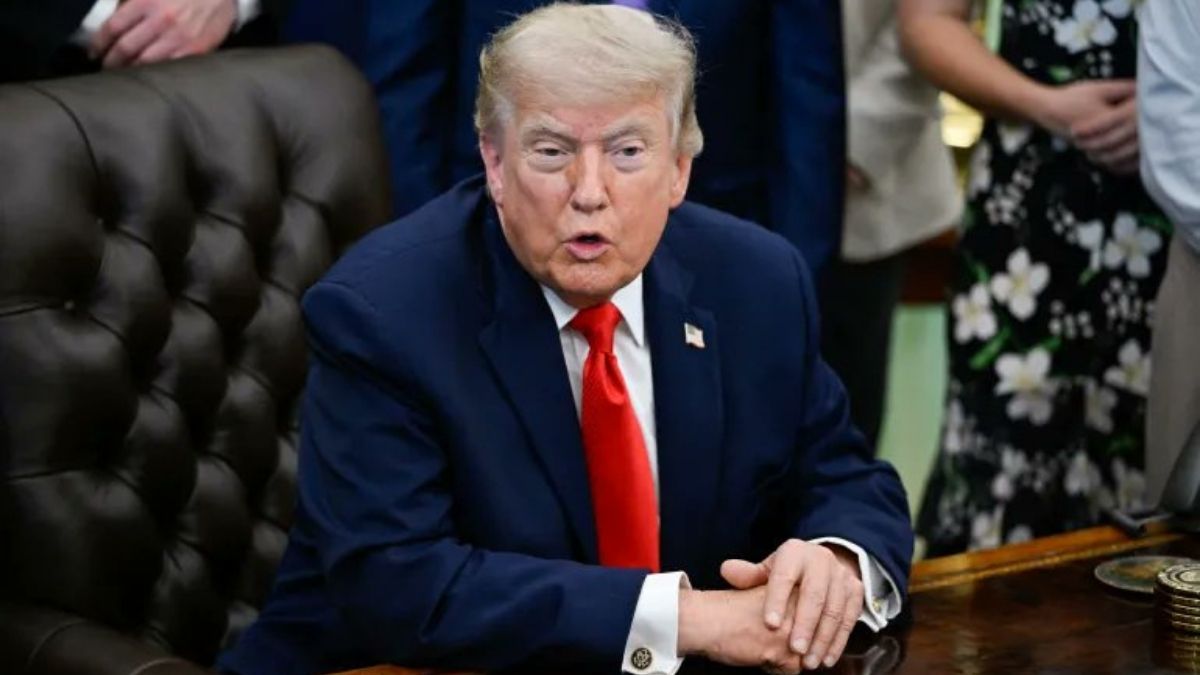
Within hours of the Islamabad announcement, US President Donald Trump confirmed the development on his social media platform. “The Deal with the Islamic Republic of Iran is now complete. The landmark US-Iran peace deal was signed behind closed doors and guaranteed a permanent end to military operations on all active fronts, including Lebanon, changing the geopolitical dynamics of the region.
US-Iran Peace Deal Signed - What are the Key Terms of the Agreement?
The unexpected settlement comes after a high-stakes, turbulent period of negotiations mediated by a coalition of regional powers. While the complete legal text of the treaty remains confidential ahead of the formal summit, both the American and Pakistani leadership have made the immediate strategic outcomes clear to the international community.
The immediate implementation directives under the new agreement include:
Related Stories
-
Lifting the Naval Blockade: The United States military will immediately dismantle its naval blockade targeting major Iranian ports.
Reopening the Strait of Hormuz: Iran will restore toll-free, unhindered maritime transit through the Strait of Hormuz, instantly relieving pressure on global energy markets.
Permanent Ceasefire: A total cessation of hostile military actions has been ordered across all regional sectors, explicitly binding Iran-backed Hezbollah forces in Lebanon.
How did the US, Iran, and Pakistan Diplomatic Alignment Make This Possible?
The path to this diplomatic breakthrough required significant mediation by neutral third parties to bridge the deep-seated distrust between Washington and Tehran.
|
Mediator Country
|
Core Contribution to the Peace Process
|
|
Pakistan
|
Acted as the primary diplomatic corridor; coordinated the final draft of the ceasefire terms.
|
|
Qatar and Turkey
|
Provided backchannel communication frameworks and hosted preparatory security delegations.
|
|
Saudi Arabia
|
Managed regional diplomatic stability and oil market adjustments during the secret talks.
|
The involvement of the US, Iran, and Pakistan channels proved decisive during the final hours of negotiations. Prime Minister Shehbaz Sharif actively managed the communication timeline, issuing the first global confirmation of the peace deal just minutes before Washington.
Why the Strait of Hormuz Reopening Matters to India
For the Indian economy, the sudden announcement of peace in West Asia provides critical relief. The conflict, which erupted in late February, saw a near-total shutdown of shipping routes through the Strait of Hormuz, the narrow channel through which over 20% of the world's daily petroleum supply transits.
India relies on West Asian imports for over 80% of its crude oil requirements. The maritime blockade had forced Indian commercial vessels to take elongated, highly expensive alternative routes, driving domestic shipping costs and insurance premiums to record highs.
Following Trump’s public declaration to let the oil flow, global crude oil benchmarks plunged by more than 4%, a market correction that directly insulates India from looming inflationary pressures and guarantees energy security for Indian state-run refineries.
What Happens Next at the Switzerland Peace Summit on June 19?
The transition from an active wartime footing to formal peace will culminate at an extraordinary international summit in Central Europe at the end of the week.
-
Arrival of Delegations: High-level diplomatic teams from Washington, Tehran, and Islamabad will arrive in Switzerland by Thursday evening.
-
The Signing Ceremony: On Friday, June 19, the official treaty documents will be signed, establishing bilateral legal mechanisms to monitor compliance.
-
Establishment of Hotline: A direct military-to-military communication channel will be set up to prevent accidental skirmishes from disrupting the fragile truce.
-
Economic Integration Talks: Follow-up panels will address the gradual relaxation of long-standing Western economic sanctions on the Iranian banking sectors.
This monumental understanding effectively defuses a volatile conflict that threatened to destabilize global trade and energy networks. While localized security challenges persist, the upcoming diplomatic assembly in Switzerland offers a concrete framework for lasting stability, bringing an optimistic end to months of intense regional warfare.