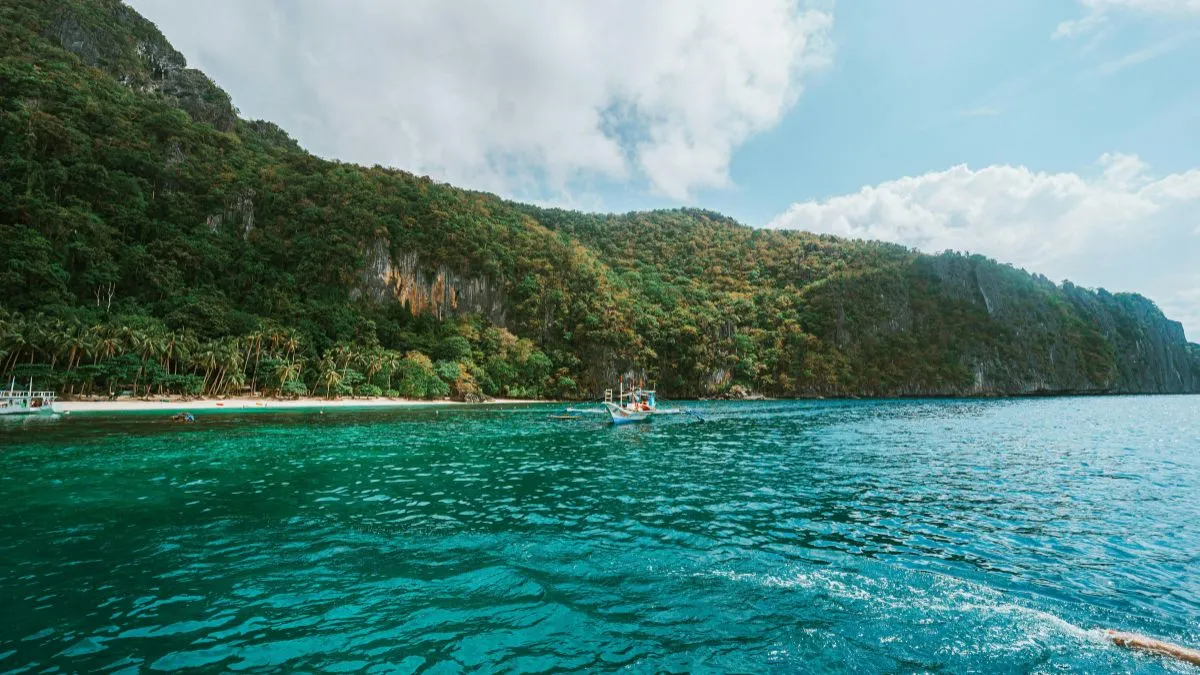
India is home to several important geographical features, including mountains, rivers, islands and valleys. Majuli Island in Assam is the largest river island in India. It is located in the Brahmaputra River, it is famous for its natural landscape, Assamese culture and traditional monasteries.
Which Is the Largest River Island in India?
Majuli Island in Assam is widely recognised as the largest river island in India. It is famous for Assamese cultural heritage and traditional Satras
Related Stories
Where Is Majuli Island Located?
Majuli is located in the northeastern Indian state of Assam. The Brahmaputra River surrounds much of the island and separates it from the mainland.
| Feature | Details |
| Name | Majuli Island |
| State | Assam |
| Country | India |
| River | Brahmaputra |
| Administrative district | Majuli |
| Approximate reported area | 483 square kilometres |
| Famous for | Satras, Assamese culture and traditional crafts |
What Is the Area of Majuli Island?
Majuli’s area has changed over time because of floods and riverbank erosion. The Brahmaputra River carries large amounts of water and sediment, particularly during the monsoon.
Why Is Majuli Island Famous?
Majuli is famous for its geographical features, cultural heritage and traditional art forms. Traditional Vaishnavite monasteries preserve religious practices, music, dance and cultural traditions.
Which River Flows Around Majuli Island?
The Brahmaputra River is the river associated with Majuli Island. It is one of the major rivers of Asia. It flows through Tibet, India and Bangladesh.
Which Is the Largest River System in India?
The largest river system is the Ganga River System. It has the largest drainage basin in India. The Ganga basin is the largest river basin in India. It covers approximately 26 per cent of India’s geographical area. It is one of the most densely populated river basins in the world.
Longest River in India
The Ganga River, commonly referred to as the Ganges, is India's longest river. It flows roughly 2,525 kilometres (1,569 miles) from its origins at the Gangotri Glacier in the Himalayan mountains to its confluence at the Bay of Bengal. It flows across five Indian states and provides water and livelihoods for millions of people.