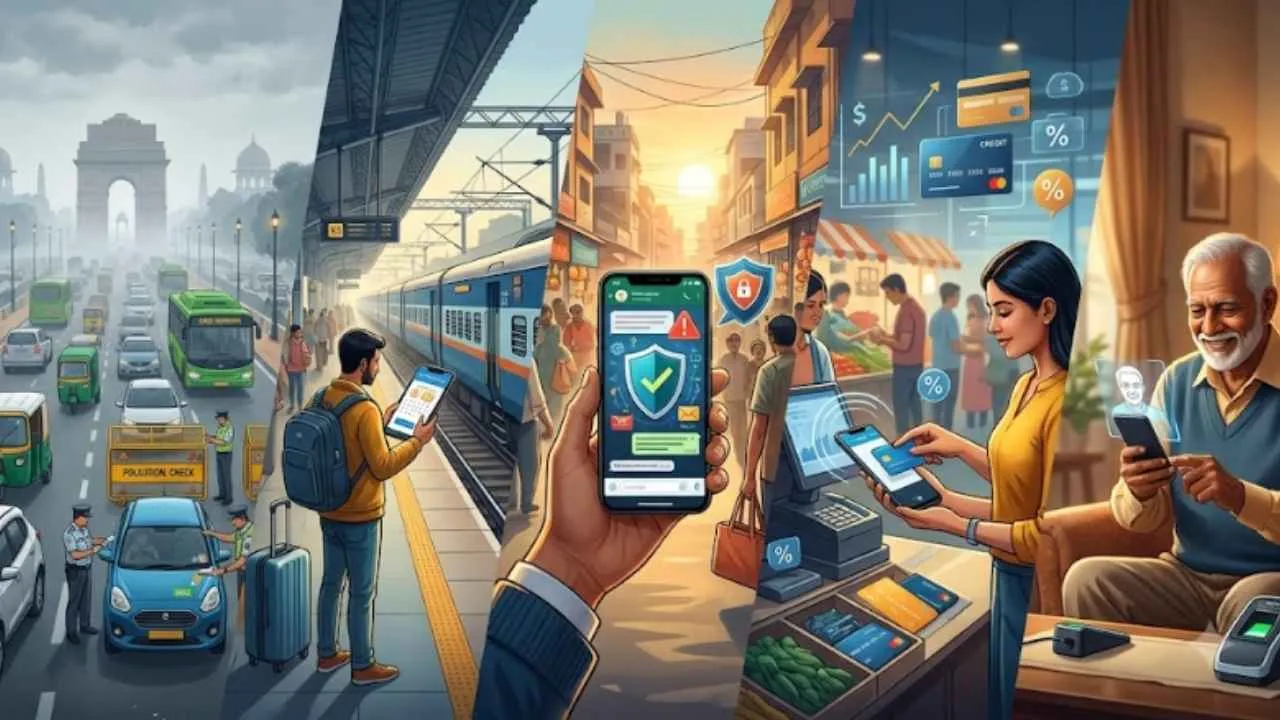
5 Big Changes From 1 November, 2026: As always, the new month will mark the official beginning of winter. The winter season will bring many changes for day-to-day consumers.
With the biggest festive season approaching and temperatures gradually dropping, citizens will need to keep an eye on important regulatory and administrative changes.
From pollution-control measures in Delhi to railway ticket booking rules, banking charges and telecom regulations, these developments could affect everyday travel, digital payments and financial planning. Pensioners will also enter the annual period for submitting their Digital Life Certificates. These changes apply to everyone, irrespective of age and region.
Let's decode these changes one by one for you.
Five Big Changes From 1 November 2026
Delhi's Winter Pollution Control Measures
The winters in Delhi remain interesting for many reasons. The culturally rich national capital attracts lots of cultural attractions during winters. Also, Delhi is famous for its wholesale markets, and as the nation enters the wedding season, Delhi will become crowded. Crowds and pollution will be the peak problems in Delhi this coming winter.
Delhi's winter brings a thick layer of smog, making it really difficult to breathe and travel comfortably.
Now, to tackle all the above problems, authorities are expected to introduce stricter pollution-control measures from November 1.
The Delhi government, led by Chief Minister Rekha Gupta, has announced a Permanent Winter Pollution Master Plan to tackle seasonal air pollution. The measures are scheduled to take effect from November 1, 2026, and will remain in force throughout the winter months to help curb pollution and improve air quality.
Delhi Winter Pollution Rules
Related Stories
|
Category
|
Key Change
|
Details
|
|
Vehicle Rules
|
Non-BS-VI Vehicle Ban
|
Certain non-BS-VI vehicles registered outside Delhi will reportedly be banned from November 1 to January 31. CNG, EVs and emergency services are exempt.
|
|
No PUCC, No Fuel
|
Vehicles without a valid PUCC will be denied fuel.
|
|
|
Double Parking Fees
|
Municipal parking charges will double from November 1 to February 28. DMRC parking is excluded.
|
|
|
Office Rules
|
50% Work From Home
|
Government and private offices will reportedly limit physical attendance to 50%, with essential-service exemptions.
|
|
Staggered Timings
|
MCD offices: 8:30 AM–5 PM; Delhi government offices: 10 AM–6:30 PM.
|
|
|
Construction Rules
|
Dust Control
|
Construction sites may face restrictions and require anti-smog guns and mist-suppression systems.
|
|
AI and Drone Monitoring
|
AI cameras and drones will reportedly monitor construction violations and open waste burning.
|
|
|
Winter Shutdown
|
A near-total construction and demolition ban is reportedly planned for December 10–January 20.
|
Indian Railways' Advance Booking Window
If you are planning a winter vacation this semester-end or a trip home this season, you should definitely keep an eye on the updates. You should know about the rules changed by Indian Railways regarding advance booking.
The reported change in the Advance Reservation Period (ARP) from 120 days to 60 days could affect how passengers plan their journeys.
A shorter booking window may help curb speculative reservations and reduce cancellations made months before travel.
Before booking tickets for November or December, visit the official Indian Railways or IRCTC website for the latest updates. After all, a little planning goes a long way when securing a confirmed train ticket!
Indian Railways: New Train Ticket Booking Rules
-
Booking Window Reduced: The Advance Reservation Period (ARP) has been reduced from 120 days to 60 days, excluding the date of journey.
Exemptions: Certain daytime express trains, including the Taj Express and Gomti Express, retain shorter booking windows. The 365-day advance booking facility for foreign tourists remains unchanged.
Reason for Change: Around 21% of tickets booked 61–120 days in advance were reportedly cancelled, while another 4–5% resulted in no-shows. The shorter window aims to curb ticket hoarding and improve availability.
Aadhaar Verification: Aadhaar-authenticated users receive priority access to online general reserved ticket bookings on the first day of the reservation window.
Booking for Unverified Users: Users without Aadhaar verification must wait until the next day to book online after the reservation window opens.
TRAI's Telecom Anti-Spam Measures
Your phone should connect you to people, not fraudsters. Keeping that in mind, the Telecom Regulatory Authority of India (TRAI) has been working on it as cybercrime has been increasing.
TRAI has made it mandatory to reflect caller ID when calling any other number. This step was taken to strengthen message traceability and curb spam, especially fraudulent messages impersonating banks and trusted organisations.
These measures aim to help telecom operators identify suspicious communications and reduce the risk of phishing.
It is also advised that users of Jio, Airtel, Vodafone Idea and BSNL should remain cautious about unfamiliar links and messages requesting personal or banking details.
TRAI has also warned users to never share OTPs, passwords or banking PINs.
TRAI's New Telecom Anti-Spam Rules:
1. AI-Based Spam Detection
-
AI Spam Filters: Telecom operators must use AI/ML tools to identify suspicious calling patterns and detect spam.
-
Link Whitelisting: URLs, APKs and OTT callback links in SMS templates must comply with applicable whitelisting requirements.
-
Number-Series Protection: The 1600 and 1601 series are designated for certain service and transactional calls, while the 140 series is used for promotional calls.
2. Blockchain and Spam Reporting
-
Spam Report Sharing: New rules reportedly require call-management platforms, including Truecaller, and smartphone manufacturers to share spam reports with telecom operators.
-
Blockchain Registry: Telecom operators use Distributed Ledger Technology (DLT) to help track commercial communications and prevent spammers from evading detection by switching providers.
-
Truecaller's Concerns: Truecaller has reportedly raised concerns about data sharing and the potential competitive impact of the requirements.
3. Stricter Penalties for Spam
-
Automated Calls: Commercial automated messages and robocalls must comply with applicable registration and declaration requirements.
-
Repeat Complaints: Repeated spam complaints and network flags may trigger verification, suspension or disconnection, depending on the applicable rules.
-
Blacklisting: Violations involving commercial headers or communication rules can result in service suspension, restrictions on new resource allocations and industry blacklisting.
4. Caller ID (CNAP) Implementation
-
Verified Caller Names: Calling Name Presentation (CNAP) is being introduced to display the caller's KYC-registered name on compatible networks and devices.
-
Exemptions: Certain authorised government and intelligence users may qualify for caller identity restriction under applicable rules.
Revised Banking and Credit Card Charges
Students and bank customers should keep an eye on their wallets because a big hit is coming their way. Several financial institutions are revising transaction fees, interest rates and reward limits.
Punjab National Bank (PNB) and ICICI Bank have announced changes reportedly taking effect in November. These changes could affect your day-to-day expenses and annual budget.
New Reserve Bank of India (RBI) nomination rules may also change how customers manage their bank accounts.
However, not every revision applies universally, as charges and conditions vary by bank and card type. Before making payments, customers should check official bank notifications and updated fee schedules.
Credit Charge Changes
|
Financial Institution
|
Revised Finance/Interest Charges
|
Key Fee Revisions
|
|
Punjab National Bank (PNB)
|
Not specified in the provided details
|
From November 1, 2026, cash advance fees increase to 2.5% or ₹400 (whichever is higher) at PNB ATMs and 2.5% or ₹500 at other domestic/overseas ATMs. Late payment fees for outstanding amounts above ₹10,000 are revised to ₹750.
|
|
ICICI Bank
|
3.75% per month (45% annually)
|
From November 15, finance charges apply to extended credit and cash advances. Monthly reward-point eligibility is capped for grocery, utility and insurance spends, depending on the card variant.
|
|
SBI Card
|
Not specified in the provided details
|
A 1% fee applies to education payments made through third-party apps and wallet loads exceeding ₹1,000 in a billing cycle. Direct payments on institutional portals remain free, as stated in the provided details.
|
|
HDFC Bank
|
Up to 3.75% per month, depending on the card variant
|
A 1% fee applies to rent payments, wallet loads exceeding ₹10,000 and utility payments exceeding ₹50,000, as stated in the provided details.
|
|
Feature
|
Details
|
|
Maximum number of nominees
|
Depositors can appoint up to four nominees for a savings account, locker or safe custody deposit.
|
|
Customised allocation
|
Account holders can specify percentage shares for nominees or establish an order of succession, subject to the applicable rules.
|
|
Key benefit
|
The changes aim to make the settlement of claims easier for surviving family members.
|