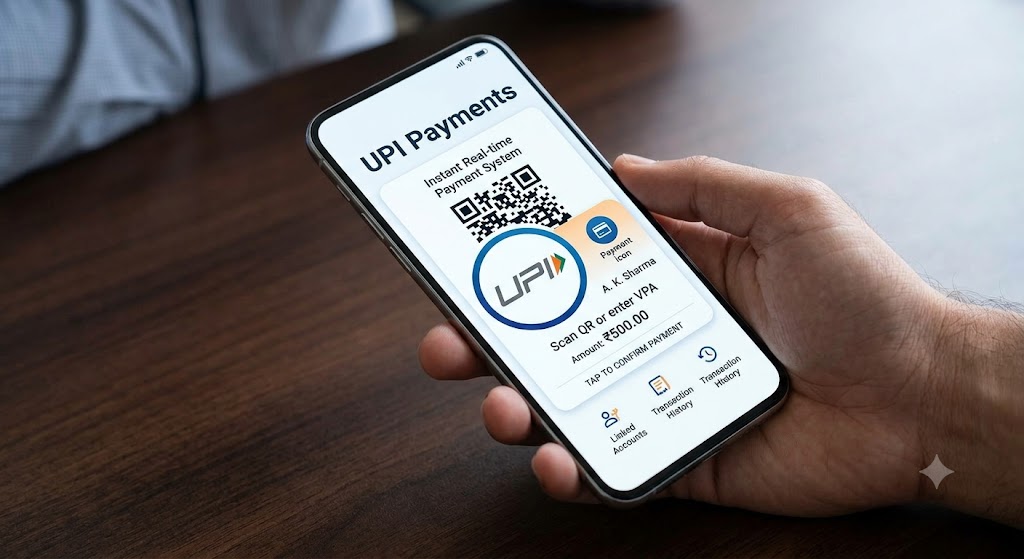
India’s digital public infrastructure is gaining international recognition. 24 countries have partnered with India to adopt components of India Stack, including Unified Payments Interface (UPI), DigiLocker and other digital governance platforms. Keep reading in detail.
What Is India Stack?
India Stack is a collection of digital public infrastructure solutions developed to enable secure, paperless and cashless services. It includes platforms such as Aadhaar for digital identity, UPI for instant digital payments, DigiLocker for secure document storage, e-KYC and eSign for digital verification and account aggregator framework for secure data sharing.
Related Stories
24 Countries Partner with India
India has signed agreements with 24 countries to share its digital public infrastructure. According to reports Kenya and Cuba have started work on implementing DigiLocker. UPI-linked payment systems are expanding across 10 international markets. UPI merchant payments are now available in Bhutan, France, Mauritius, Nepal, Qatar, Singapore, Sri Lanka, the UAE and Cambodia.
Which Countries will join?
Discussions are underway with Laos, Seychelles, Venezuela, Armenia, Fiji, Guyana and Colombia for adopting platforms such as e-Sanjeevani, e-Office and e-Hospital.
What Is UPI?
The Unified Payments Interface (UPI) is India’s real-time digital payment system developed by the National Payments Corporation of India (NPCI). It helps users to send and receive money instantly using mobile phones without requiring bank account details. Since its launch in 2016, UPI has become one of the world’s largest digital payment systems.
What Is DigiLocker?
DigiLocker is a secure cloud-based platform developed under the Digital India initiative. It allows users to store and access digital versions of important documents such as driving licence, vehicle registration certificate, academic certificates, Aadhaar and PAN card.
Why Is This Important?
Experts believe this expansion could boost India’s global digital influence, promote cross-border digital collaboration, encourage financial participation in partner countries, open opportunities for Indian technology companies and startups.