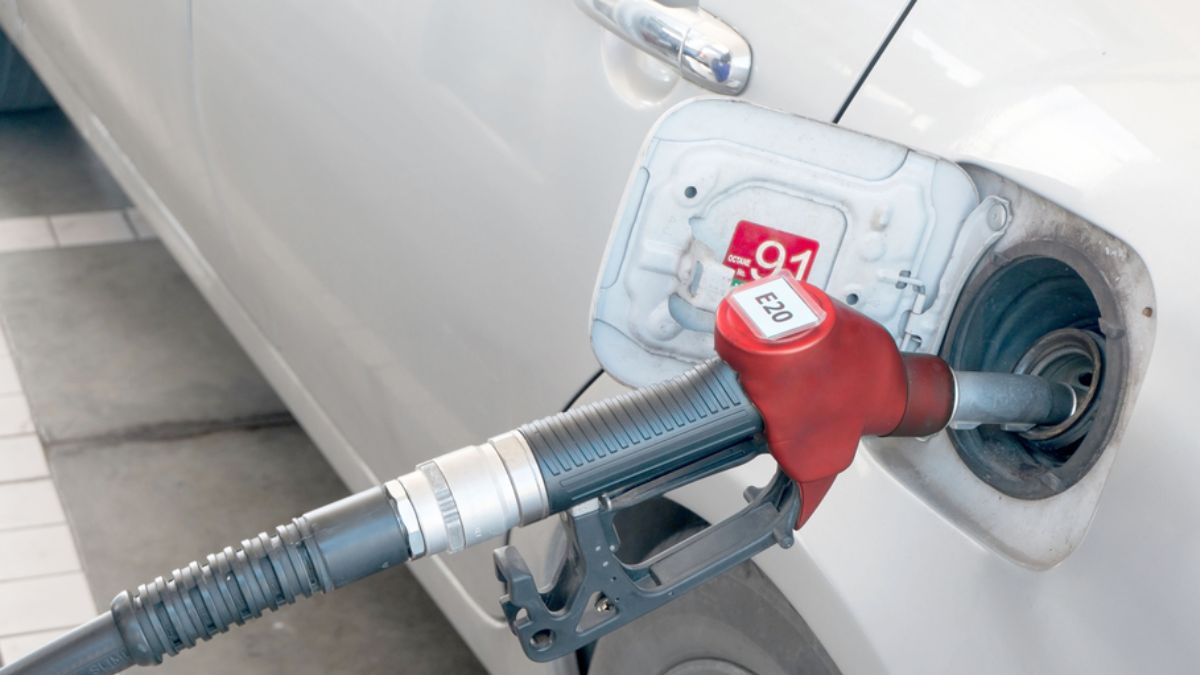
India has achieved a major milestone in terms of energy. The country has rolled out E20 petrol in the country from April 2025. Now there is 20 percent ethanol mixed with 80 percent normal petrol. This is a big step that will help ensure India’s fuel security as well as will help in reducing the pollution.
However, India is not the only country that is using blended fuel. There are many other nations that are adding ethanol to their fuels and some of them even use higher blends in comparison to India. Here is the list of countries that use ethanol blended fuel.
Which Countries Use E20 or Higher Ethanol Blends?
|
Country
|
Ethanol Blend
|
Main Source
|
|
Brazil
|
E27.5 to E30 (standard), E100 for flex-fuel cars
|
Sugarcane
|
|
Paraguay
|
E30 baseline
|
Sugarcane, Grains
|
|
India
|
E20 (default nationwide)
|
Sugarcane, Maize, Grains
|
|
Zimbabwe
|
E20 (mandatory)
|
Sugarcane
|
|
Thailand
|
E20 (main fuel), E85 also offered
|
Sugarcane, Cassava
|
|
Bolivia
|
Moving towards E25
|
Sugarcane
|
|
United States
|
E10/E15 standard, E85 for flex-fuel cars
|
Corn
|
|
Philippines
|
E10 mandatory, E20 voluntary
|
Sugarcane molasses
|
Brazil
This country has one of the most advanced ethanol fuel programmes in the world. The country started this journey in the 1970s due to a global oil crisis. Brazil's mandatory ethanol blend in petrol has been 30 percent. The government has proposed raising it further to 32 percent, but as of July 2026 this has not yet been approved.
Brazil mainly makes its ethanol from sugarcane. Brazil has a majority of flex fuel vehicles as well and these can run on any mix of petrol and pure ethanol, and about 70 percent of new cars sold in Brazil today are flex fuel vehicles.
Related Stories
Paraguay
The country has mandated 30% blending in the fuel which is one of the highest fixed blending levels in the world. Paraguay uses domestic sugarcane and grain production so that the target can be met and the country’s policies gives local farmers a stable, guaranteed market for their crops.
India
The ethanol blending programme in the country began in the year 2003, but it took speed after 2014. The blending level was just 1.53 percent in 2014. It crossed 10 percent in 2022 and reached the full E20 target in April 2025. This target was met before the original 2030 deadline.
What are the Advantages of Higher Ethanol Blends?
Here are some advantages of higher ethanol blends in the fuel:
-
Lower Oil Imports: A country’s major oil dependence is based on how much of crude oil is imported from outside. Adding higher ethanol blends removes the dependency.
-
Cleaner Fuel: Ethanol blended petrol can reduce the harmful emissions in comparison to pure petrol.
-
Support to Farmers: The demand for ethanol creates a steady market for sugarcane and other crops that can be used to make ethanol and that is how it helps farmers.
What are the Disadvantages of Higher Ethanol Blends?
-
Fuel Efficiency: Higher ethanol blends in petrol can drop the fuel efficiency of a vehicle since it has less energy than petrol.
-
Compatibility Issues: Vehicles that are older are not designed for high ethanol blends may face compatibility issues with rubber and fuel system parts.
-
High Running Costs: Setting up ethanol production requires investment, technology and steady crop supply which can be quite expensive in the long run.