Frog vs Toad: Key Differences & Similarities Explained
Discover the key differences between frogs and toads. From skin texture to habitat, compare both the amphibians and learn their similarities.
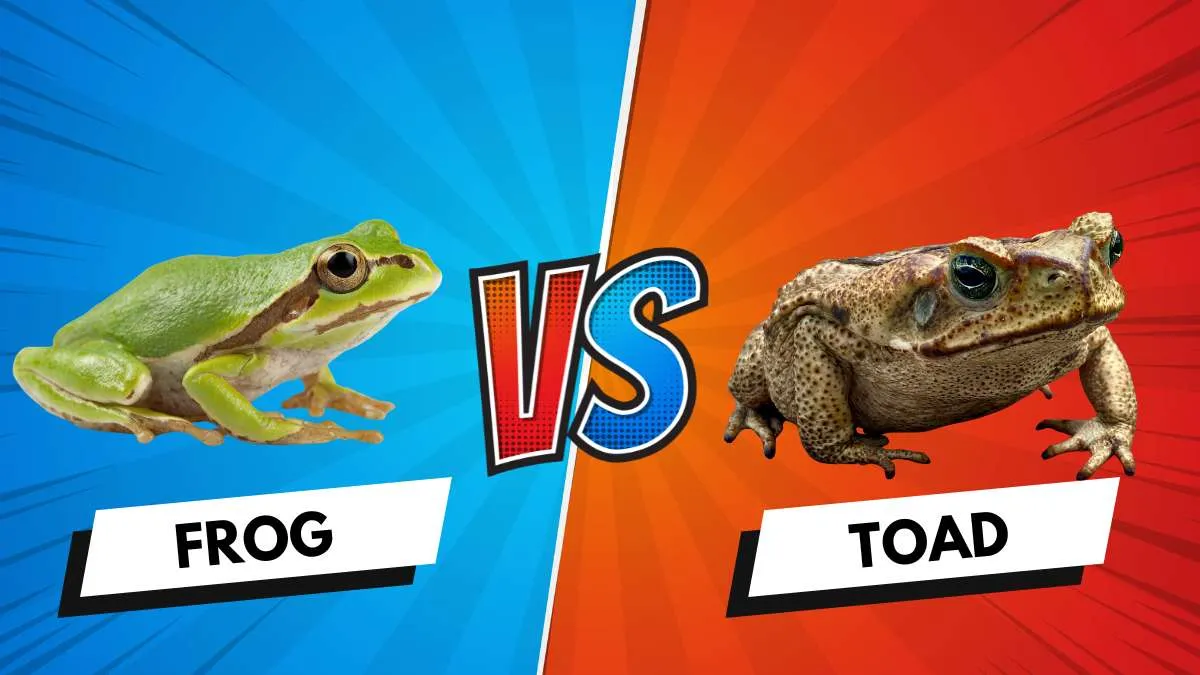
Both frogs and toads are tailless amphibians that belong to the order Anura. Although they vary in terms of texture of the skin, their body shapes, their habitat choices and how and when they mate. Frogs tend to have wet and smooth skin and are very near water, but toads have dry and bumpy skin and they are more favoured to live on the land.
What Is a Frog?
Frog is an amphibious creature of the order Anura (tailless) with smooth or slightly oil slick moist skin, long strong hind legs to help in jumping and very dependent on freshwater settings to breed. Many families of Anura, the most common of which is Ranidae (true frogs) contain frogs. The database AmphibiaWeb of the University of California, Berkeley, catalogs approximately 7,000 known species of frogs around the globe, which is one of the most species-rich groups of vertebrates on Earth.
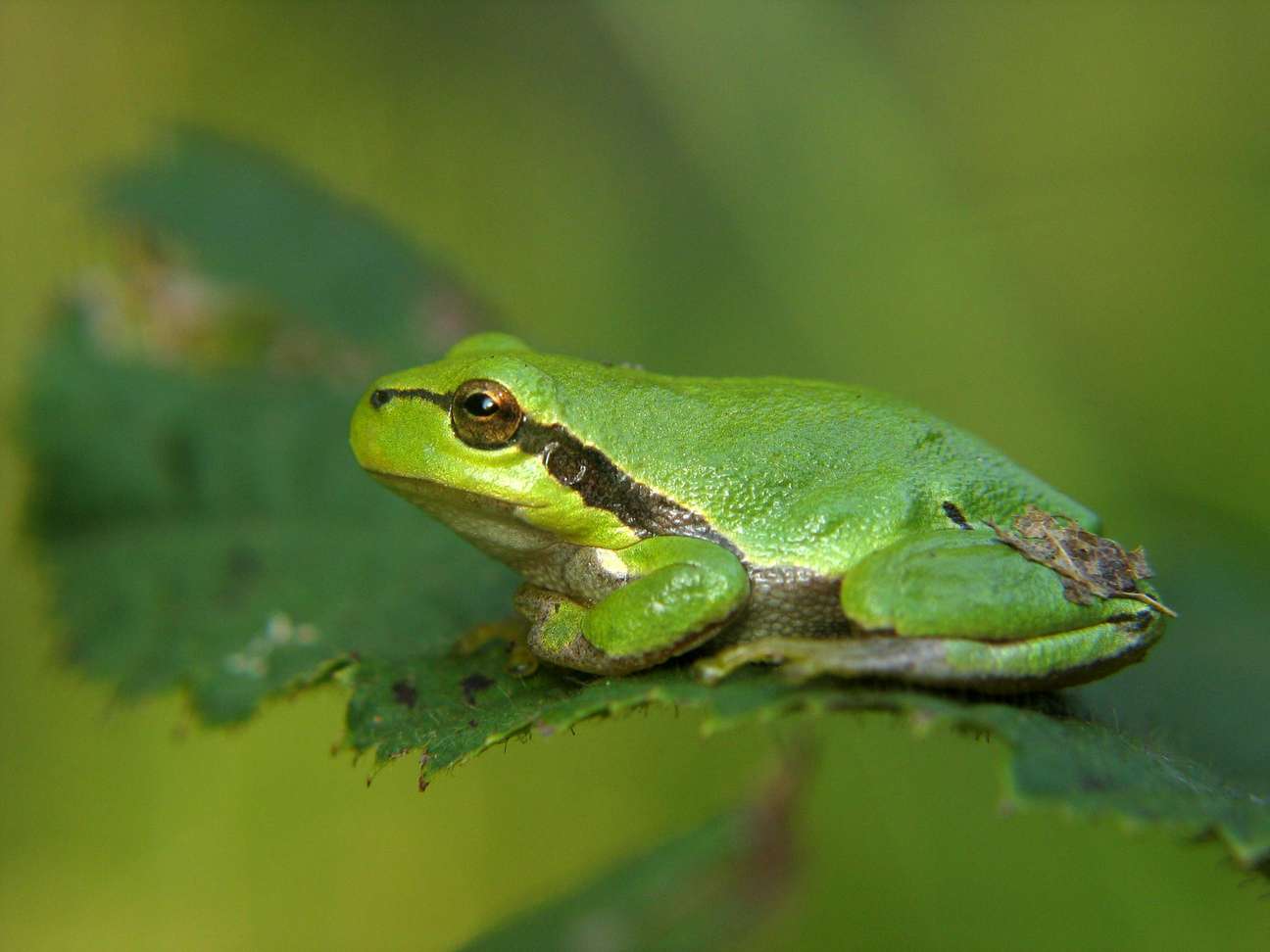
Source: Roman Biernacki/ Pexels
What Is a Toad?
A toad, informally, is a frog, and belongs to the order Anura, which is generally of the family Bufonidae (true toads). Their dry wart skin, shorter legs, rounder and stock bodies, and higher survival capabilities in drier terrestrial habitats characterize toads. Toad parotoid glands are the glands which are found behind the eyes of a toad and are used to generate weak toxins to defend the toad against predators. The family Bufonidae has more than 580 described species, which are found on all continents other than Antarctica as of 2023.
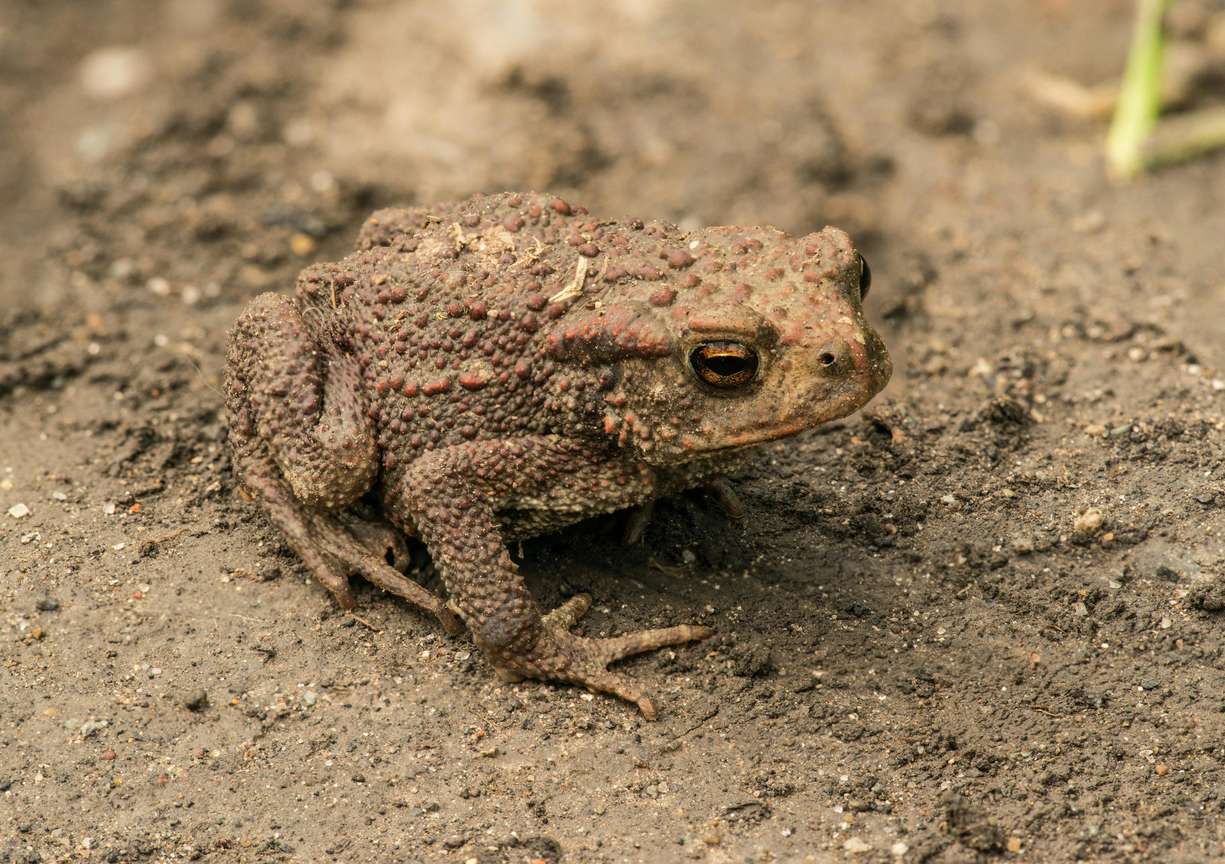
Source: Petr Ganaj/Pexels
Differences between Frog and Toad
Skin Texture
The frogs have smooth and moist skin which requires them to be in constant contact with water or other wet environments to prevent dehydration. The toads possess thick skins, bumped to keep moisture better and hence they are able to cover more distances without water.
Body Shape and Legs
The frogs have long and slender bodies yet long and powerful hind legs that enable them to jump up so strongly. Toads are broader, low and their hind legs are shorter, and therefore they walk or jump about in short strides, and not in long ones.
Habitat
Frogs are predominantly water borne or semi-aquatic when they are typically surrounding ponds, lakes, streams and wetlands. Toads are terrestrial and can be found in forests, grasslands, gardens, and even deserted areas and only ensue to the water during the mating season.
Eggs and Reproduction
The eggs of frogs are deposited in masses or huge clusters in the immobile or slow water. Toads hatch eggs in long also in pairs, and filled the water plants with strings. Both require water to the larval stage (tadpoles).
Defense Mechanisms
Parotoid glands are also found behind the eyes of toads producing bufadienolides that are poorly toxic compounds that dishearten predators. Usually frogs rely on camouflage, velocity and in some groups (such as the jungle frogs of the family Dendrobatidae) highly toxic skin in their protection.
Eyes
The eyes are larger, are higher placed on the head and the frogs have well developed eyes fitted into seeing the prey. Toads possess smaller eyes and a lower eye bulge and their pupils are horizontal.
Frog vs Toad: Comparison Table
| Feature | Frog | Toad |
| Skin texture | Smooth, moist | Dry, bumpy, warty |
| Body shape | Slim, streamlined | Broad, stocky |
| Hind legs | Long, powerful | Short, stubby |
| Habitat | Near water (aquatic/semi-aquatic) | Terrestrial, returns to water to breed |
| Egg pattern | Clustered mass in water | Long strings wrapped around vegetation |
| Parotoid glands | Absent in most species | Present, produces mild toxins |
| Movement | Long leaps | Short hops or walking |
| Eyes | Large, prominent | Smaller, less protruding |
| Primary family | Ranidae (true frogs) | Bufonidae (true toads) |
Similarities between Frog and Toad
Frogs and toads belong to anurans, a subclass of Amphibia, order Anura. They live in two stages, the first one being water dwellers (tadpoles), which develop into land or semi-aquatic adults.
They are both ectothermic (cold-blooded), they use the external environments to control their body temperatures, and they are both important components of ecosystems as both insect predators and bird prey, snake prey, and mammal prey.
The two groups are both regarded as bioindicators and as such their health in populations indicates the state of the ecosystems around them.
Check out some more interesting articles from the general knowledge section to boost your knowledge of national and international topics. Stay connected with Jagran Josh for more topics like this.
ALSO READ:

Mriganka Chakraborty is a seasoned digital journalist and communications professional who is currently working as Deputy Manager at Jagran Josh, where he leads the General Knowledge Section. As a subject matter expert with 8+ years of editorial experience, he has created authoritative content that is trusted by millions of readers around the world in Science, History, Geography, Polity, Economy, Sports, and Technology. His extensive expertise in these subjects enables him to present complex topics in an engaging, accurate, and reader-friendly manner to a global audience, making learning addictive and fun.
His background in a wide range of content areas and his ability to move between them make him a trusted voice to readers who want reliable, well-researched content across a variety of disciplines.
In his leisure time, Mriganka enjoys reading fiction novels and watching action and thriller movies, and cricket, which not only hone his storytelling skills but also keep his editorial vision fresh and dynamic.


-1791787573332_t.webp)
-1788776860130.webp)
-1791785804508_t.webp)
.jpg)


![[चेक करें] GDS 1st Merit List 2026: इंडिया पोस्ट जीडीएस पहली मेरिट लिस्ट डायरेक्ट लिंक जल्द, रिजल्ट PDF में ऐसे देखें अपना नाम](https://img.jagranjosh.com/images/2026/October/11102026/GDS-Merit-List-2026.jpg)