Which Planet Has The Largest Volcano In The Solar System?
Do you know one planet in our Solar System has a volcano nearly 3 times taller than Mount Everest and wider than Arizona? Scientists believe it formed billions of years ago through powerful lava flows. Let’s discover the mysterious planet hiding this giant volcano.
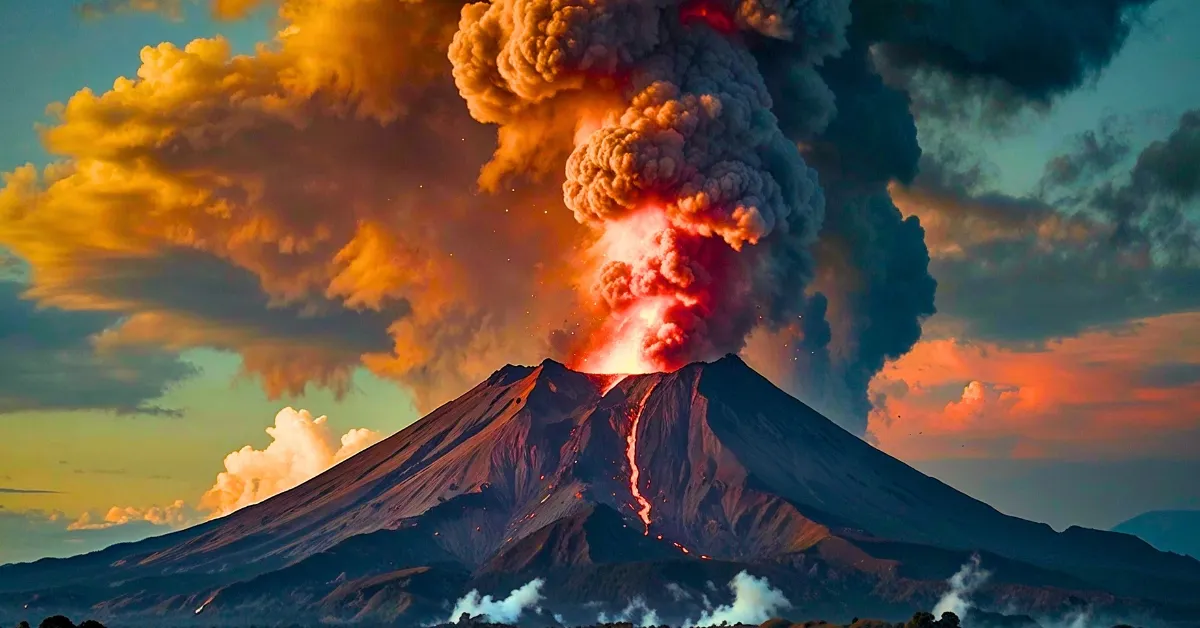
The Solar System has 8 planets, and each one is different. Earth has 5 oceans, thick air, forests, rivers, and more than 1.5 million known species. Venus is covered with toxic gases and has temperatures above 460°C. Jupiter is made of nearly 90% hydrogen and has huge storms. Saturn is famous for its icy rings. Some planets have giant mountains, deep valleys, volcanoes, and even frozen waterfalls of ice and lava. Scientists have discovered amazing landforms across the solar system. But do you know which planet has the largest volcano in the Solar System? In this article, we'll take a look at this giant natural wonder and the planet that holds it.
Which Planet Has The Largest Volcano In The Solar System?
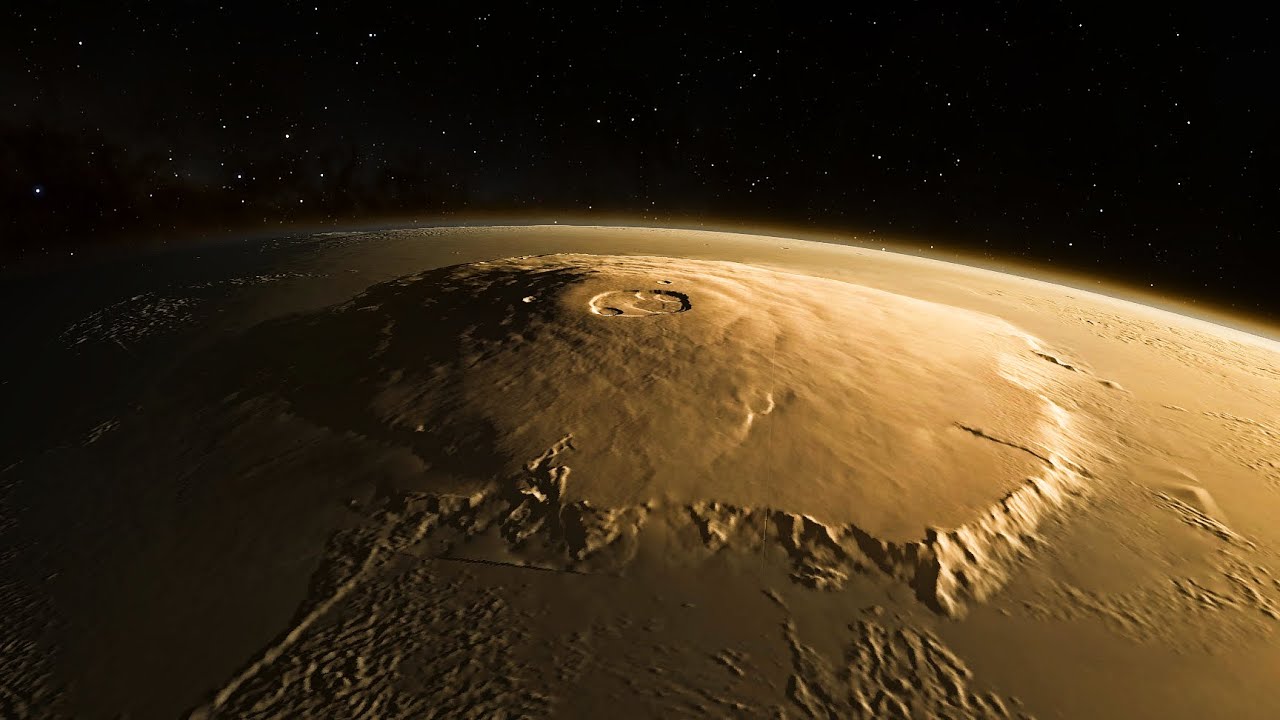
- Mars is home to Olympus Mons, the largest volcano in the solar system.
- This massive shield volcano is nearly 22 km high and 600 km wide, making it roughly 2.5 times taller than Mount Everest.
- Olympus Mons was formed by slow lava flows over millions of years.
- Scientists believe its last major eruption occurred nearly 25 million years ago, suggesting it may still be dormant rather than fully dead.
- Mars has a thin atmosphere made of about 95% carbon dioxide, very cold temperatures, dusty storms, and weak gravity.
- The planet has 2 small moons, Phobos and Deimos.
- Unlike Earth, Mars has no moving tectonic plates, allowing Olympus Mons to keep growing larger in one place for billions of years.
5+ Lesser-Known Facts About Mars and Olympus Mons
- Olympus Mons is so wide that astronauts standing on it would not easily notice its slope.
- The volcano's base is surrounded by cliffs that rise nearly 6 km high.
- Mars has the tallest volcano and one of the largest canyon systems, Valles Marineris.
- The summit of Olympus Mons sometimes gets covered with thin frost and ice clouds.
- The volcano is larger than the entire state of Arizona in the U.S.
- Mars takes 687 Earth days to complete 1 orbit around the Sun.
- Because of Mars' low gravity, lava could spread farther and build taller volcanoes.
- Olympus Mons lies in the Tharsis volcanic region, which covers almost 25% of Mars’ surface.
Quick Glance at the Biggest Volcano in the Solar System
| Feature | Details About Olympus Mons |
| Planet | Mars |
| Volcano Name | Olympus Mons |
| Location | Tharsis volcanic region on Mars |
| Volcano Type | Shield volcano |
| Height | Approximately 21–26 km (13–16 miles) |
| Width / Diameter | Around 600 km (370 miles) |
| Comparison With Earth | Nearly 3 times taller than Mount Everest |
| Size Comparison | Roughly the size of Arizona |
| Formation | Formed by repeated slow lava flows over millions of years |
| Main Reason for Huge Size | Mars has no moving tectonic plates |
| Surface Environment | Cold, dusty, rocky, and dry |
| Atmosphere of Mars | Mostly carbon dioxide (about 95%) |
| Number of Moons on Mars | 2 moons — Phobos and Deimos |
| Volcano Status | Considered dormant or possibly extinct |
| Last Known Activity | Estimated between 2 and 25 million years ago |
| Special Fact | The largest volcano and the tallest mountain in the Solar System |
Which Planet Had The Largest Volcano In The Solar System 3.5 Billion Years Ago?
About 3.5 billion years ago, Mars was home to the largest volcano in the Solar System, called Olympus Mons. At that time, the planet went through intense volcanic activity, especially in the Tharsis region. Over millions of years, huge lava flows gradually formed Olympus Mons. Scientists think Mars once had a thicker atmosphere, liquid water, and warmer temperatures than it does now. Since Mars lacks moving tectonic plates, volcanoes can grow in place and eventually become massive.
Which Planet Has The Largest Volcano In The Solar System?
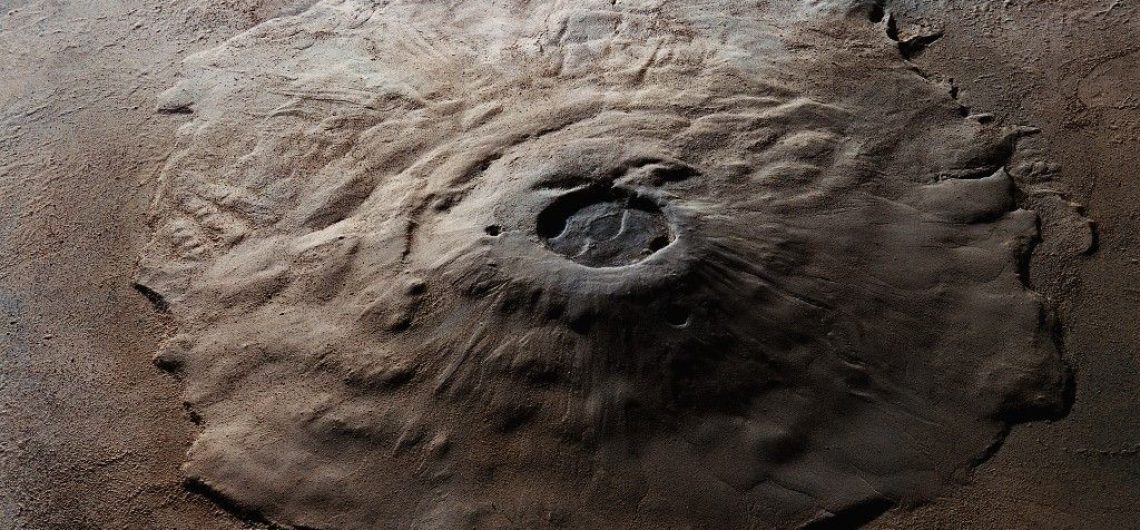
Mars is home to the largest volcano in the Solar System, known as Olympus Mons. This massive volcano rises about 22 km and stretches nearly 600 km, making it much larger than any volcano on Earth. Olympus Mons is a shield volcano, built up over time by many lava eruptions. Because Mars has low gravity and no tectonic plate movement, the volcano could keep growing for billions of years.
Does Olympus Mons Have a Volcanic Explosivity Index Of 8?
No, Olympus Mons is not known to have a Volcanic Explosivity Index (VEI) of 8. VEI-8 eruptions are extremely explosive, like supervolcano eruptions on Earth. Olympus Mons is a shield volcano, meaning it mainly produced slow-flowing lava rather than violent explosions. Scientists believe most eruptions there were gentle and spread lava over huge distances. Mars’ thin atmosphere also reduced explosive volcanic pressure compared to Earth.
Was Olympus Mons Formed Due To Volcanic Activity?
Yes, Olympus Mons was formed entirely due to volcanic activity on Mars. It developed as hot magma rose from beneath the Martian surface and erupted repeatedly over millions of years. Each eruption added more layers of lava, slowly building the giant volcano. Since Mars does not have shifting tectonic plates like Earth, the lava kept erupting from the same location, allowing Olympus Mons to grow to record size.
What Planet Would You Find Olympus Mons On?
Olympus Mons is located on Mars, the fourth planet from the Sun. It lies in the Tharsis volcanic region near the Martian equator. Mars is often called the “Red Planet” because of its iron-rich dusty surface. The planet has 2 small moons, Phobos and Deimos, and a thin atmosphere made mostly of carbon dioxide. Olympus Mons is one of the most famous geological features discovered on Mars.
When Was Olympus Mons' Last Eruption?
Scientists estimate that Olympus Mons may have last erupted about 2 to 25 million years ago, which is relatively recent in planetary history. Some lava flows on the volcano appear younger than many other Martian surface features. Because of this, researchers think Olympus Mons could still be dormant instead of completely extinct. However, no active eruption has ever been directly observed on Mars.
Is Olympus Mons Active?
Olympus Mons is not currently known to be active, but scientists do not consider it fully extinct either. Some parts of the volcano are geologically young, suggesting volcanic activity may have continued until recent times. Mars has shown signs of internal heat and possible underground magma movement. Because of this, researchers think Olympus Mons may still erupt again someday, although no present eruption has been detected.
Which Planet Has The Largest Volcano, Olympus Mons, In The Solar System?
The largest volcano in the Solar System, Olympus Mons, is found on Mars. This giant shield volcano rises about 22 km above the Martian surface and covers an area nearly the size of Arizona. Olympus Mons formed from repeated lava flows over the course of billions of years. Mars' weaker gravity and stable crust allowed the volcano to grow much taller and wider than those on Earth.

Kriti Barua is a skilled digital journalist and communications professional with 4+ years of experience, currently writing for the General Knowledge section at Jagran New Media. She has established herself as a subject matter expert in History, Geography, Trending National and International News, Sports, Science, and Defence, producing clear, reliable, and search-optimised content that connects with readers worldwide.
Kriti holds a BA degree from Delhi University and a one-year diploma in TV Production and Journalism, an academic background that adds research depth and strong storytelling instincts to her writing. Her experience spans brand writing, content marketing, and digital media, giving her a sharp understanding of what makes content both helpful to readers and visible in search.
At Jagran New Media, she applies this expertise to national and international news coverage, query-based articles, and in-depth pieces across her specialist subject areas. Her content is defined by easy language, factual accuracy, strong keyword strategy, and reader-friendly storytelling.


-1791776498635_t.webp)
-1791776998730_t.webp)
![[चेक करें] GDS 1st Merit List 2026: इंडिया पोस्ट जीडीएस पहली मेरिट लिस्ट डायरेक्ट लिंक जल्द, रिजल्ट PDF में ऐसे देखें अपना नाम](https://img.jagranjosh.com/images/2026/October/11102026/GDS-Merit-List-2026.jpg)