Which Insect is Known as Farmer's Friend?
Earthworms are called the "Farmer's Friend" because they improve soil health and crop yield. They decompose organic matter for nutrients, enhance fertility and structure, and improve aeration and drainage through burrowing, aiding sustainable agriculture.
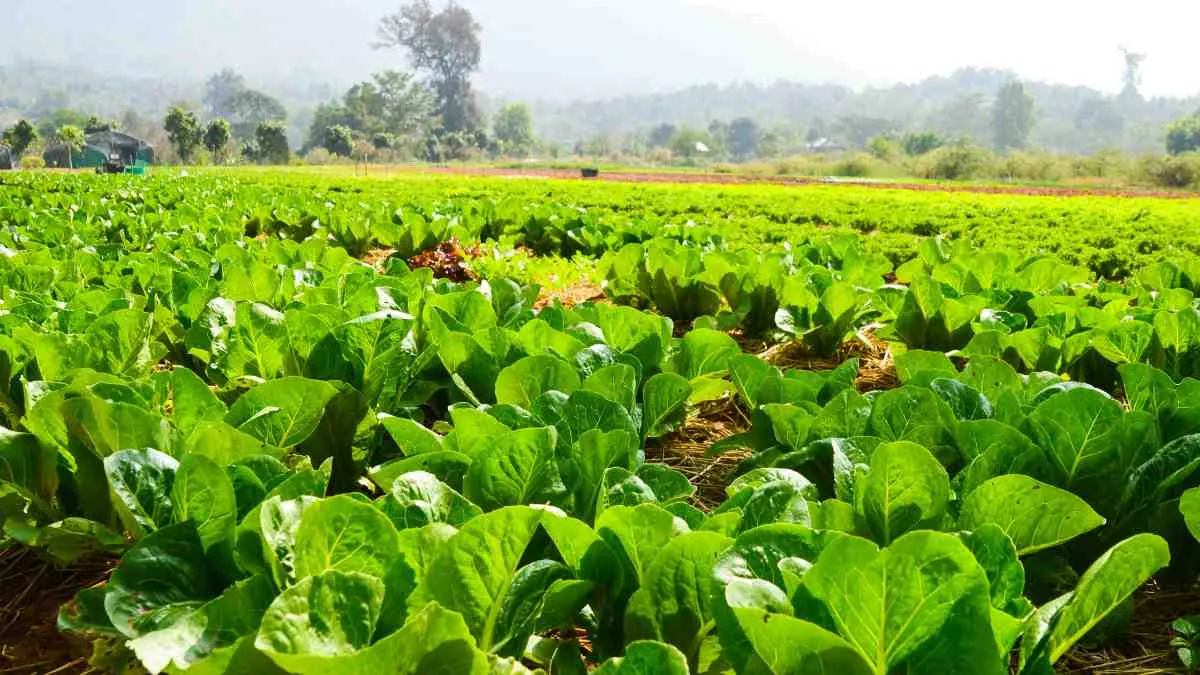
Agriculture has supported all human societies since ancient times. Owing to the support of the life forms in these previously healthy soils, farmers grew abundant crops. Many of the living organisms that enhance crop yield and maintain soil health are small creatures that exist beneath the surface of the soil.
These organisms enrich soils, loosen compacted soils, provide adequate growing media for plants by decomposing organic waste to produce nutrients, improve the ability of soil to retain oxygen and water, and create eruptions of new life from these nutrients.
Farmers rely heavily on many different species of creatures for improved harvest and environmentally responsible practices because their impact on agriculture is great. Due to the positive contributions these creatures provide to the earth and agriculture, they are often referred to as special kinds of creatures by many cultures worldwide.
Which Insect is Known as Farmer's Friend?
The “Farmer’s Friend” title for the earthworm is a nod to its usefulness in agriculture despite not being an actual insect. By decomposing dead plant matter, earthworms provide nutrients to improve soil fertility and structure.
Tunneling through soil creates channels for both air and water to penetrate, thereby improving access for plants. Vermicompost is another by-product generated by earthworms which is then harvested by farmers as organic fertilizer. Earthworms continue making soil nutrient-dense and easily cultivatable due to the mechanical loosening they provide through burrowing into the ground. Because of earthworms, farmers are able to grow crops environmentally friendly, thus they are truly “Farmers Friends” by continuing to improve agricultural and soil conditions.
Why is an Earthworm Called Farmer’s Friend?
1. Soil Fertility Improvement
Through their castings, organic materials that have been decomposed into nutrient-rich resources, earthworms contribute to the overall fertility of soil, which in turn helps plants grow as well as producing crops.
2. Soil Aeration and Drainage
Earthworms create small spaces for air and water by burrowing and create pathways that lead to enhanced aeration and drainage by allowing air and water an easy point of entry and exit at plant roots and by allowing adequate drainage from agricultural fields.
3. Decomposing Organic Materials
Earthworms feed on decomposing plant material including rotting leaves and other plant parts and break down organic material into smaller and more useful pieces and return those pieces to the soil so that they can become nutrients for crops.
4. Building Natural Fertilizers
Earthworms create a waste product called castings that contain essential nutrients for healthy plant growth. The benefits of using earthworm castings as a natural fertilizer are that they increase the amount of nutrients in the soil while also promoting a healthy and productive plant through the principles of organic and sustainable agriculture.
5. Increase In Crop Production
Earthworms create better soil structure, as well as improve nutrient levels and water balance in soil, thus allowing for greater crop production. Better soils will support healthier plants that produce more of what we grow for food and will result in increased amounts of crop production for the farmers.

Ayukta Zisha is an education journalist with over three years of experience in digital media. A graduate of St. Xavier’s College, she holds a Master’s degree in English along with a certification in Digital Marketing from IIT Delhi. Backed by a strong academic foundation in the humanities, she specializes in creating educational and general knowledge content across history, geography, literature, and current affairs. During her tenure at Jagran Josh, she worked extensively on U.S. news and global developments, curating informative and engaging content for a diverse readership. Her subject expertise and ability to simplify complex topics enable her to make complex information accessible to a wide audience. Beyond journalism, Ayukta is an avid reader and a published author.

-1791776998730_t.webp)


-1791776498635_t.webp)


![[चेक करें] GDS 1st Merit List 2026: इंडिया पोस्ट जीडीएस पहली मेरिट लिस्ट डायरेक्ट लिंक जल्द, रिजल्ट PDF में ऐसे देखें अपना नाम](https://img.jagranjosh.com/images/2026/October/11102026/GDS-Merit-List-2026.jpg)