India Retail Inflation September 2026: CPI Rises To 5.54%, Food Inflation Hits 7.74%; How Will It Affect Us?
India’s retail inflation rose to 5.54% in September 2026, while food inflation climbed to 7.74%. Rising onion prices, rural price pressures and possible supply disruptions are adding to household expenses. Here’s what the latest inflation figures mean for consumers.
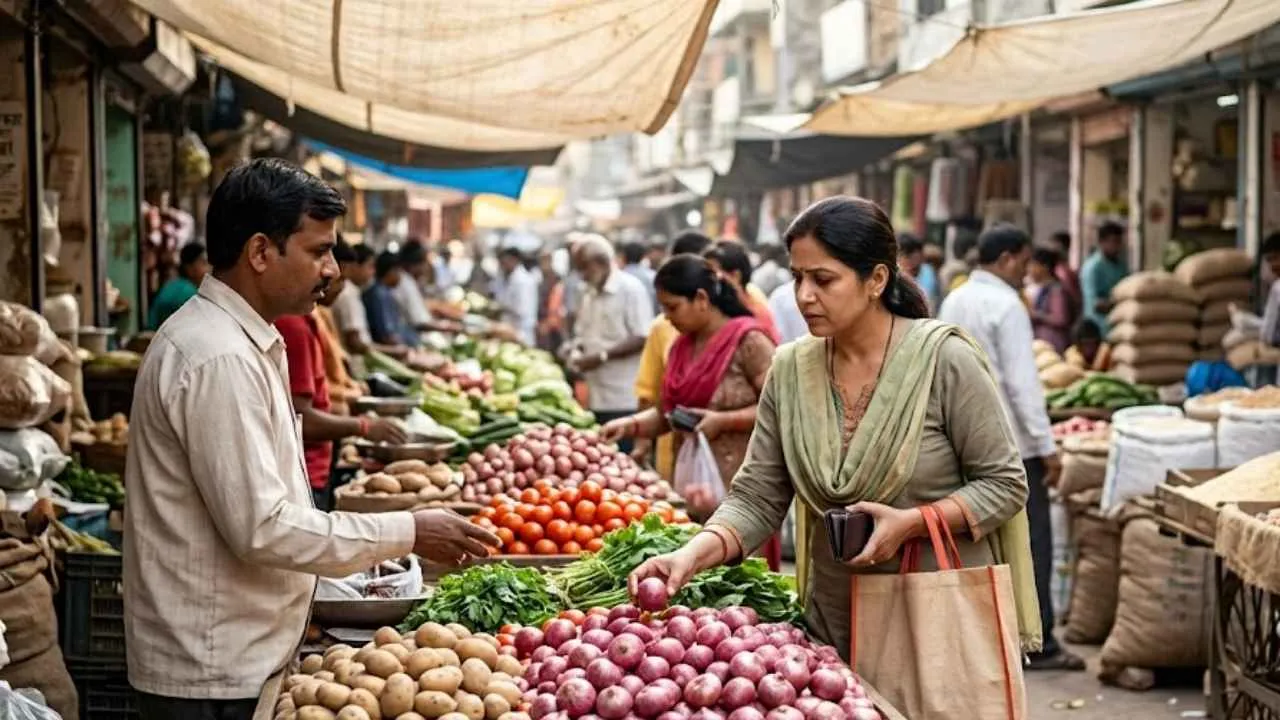
India’s Inflation: The inflation data for September shows a trend that financial analysts had already expected. Retail inflation rose to 5.54% in September 2026, which was higher than the retail inflation rate released in August.
According to data released by the Ministry ofStatistics and Programme Implementation (MoSPI) on October 12, food inflation climbed to 7.74%, compared with 5.97% in the previous month.
The rising prices of onions and other essential kitchen staples are contributing to higher retail prices in September. This is making everyday groceries more expensive.
September inflation also remains above the Reserve Bank of India’s medium-term target. The RBI targets an inflation rate of 4%, and the outcome is 1.54 percentage points above it.
The latest figures put food prices, household spending and future interest-rate decisions firmly in focus.
-1791873252010.webp)
What Is India’s Retail Inflation Rate In September 2026?
India’s retail inflation was at 5.54% in September 2026, up from 4.83% in August. Here’s what the latest Consumer Price Index (CPI) data reveals about rising prices and the Reserve Bank of India’s inflation target.
-
September inflation: 5.54%
-
August inflation: 4.83%
-
RBI’s target: 4%
-
Upper tolerance limit: 6%
-
Trend: Inflation remained above the RBI’s target for the fourth consecutive month.
Key Inflation Figures: September vs August 2026
| Inflation indicator | August 2026 | September 2026 |
| Retail inflation (CPI) | 4.83% | 5.54% |
| Food inflation (CFPI) | 5.97% | 7.74% |
| Rural retail inflation | 5.24% | 6.08% |
| Urban retail inflation | 4.31% | 4.88% |
Source: MoSPI; September figures are provisional.
Why Did Retail Inflation Rise In September?
Retail inflation in September was high due to higher food prices and uneven price pressures across regions. Here are three key factors behind the increase and their impact on household budgets.
-Rising Food Prices: Food prices were a major driver of September’s inflation, with consumer food inflation climbing to 7.74%. Onion prices, while garlic prices and lemon prices increased making it a high daily bill.
These sharp increases have made everyday cooking more expensive. This also shows how supply shortages and rising prices of essential ingredients can put stress on the middle class household budgets.
-Rural Inflation Exceeds Urban Inflation: Rural inflation reached 6.08% in September, exceeding the RBI’s 6% upper tolerance limit.
On the other hand, urban inflation stood at 4.88%. This hints at stronger price pressures in rural areas.
Higher food costs can affect rural households, where groceries account for a significant share of monthly spending. This in turn leaves the families with a small portion of money left.
-Weather and Supply-Side Pressures: Weather conditions and agricultural supply disruptions can affect crop availability and market prices.
When vegetable supplies fall short of demand, prices may rise, increasing household expenses. However, weather should not automatically be blamed for September’s inflation.
Official agricultural production, rainfall and market data are needed to establish how much these factors contributed to the increase.
How Will Rising Inflation Affect The Economy?
Rising inflation can directly affect household final budgets, business costs and on a broader basis, the economy.
Here’s how: As the prices increase, families will start spending more on essentials, and this will shrink their savings. The trend could also influence the RBI’s interest-rate decisions in the coming months.
-
Household budgets: Costlier groceries leave families with less money for savings and other expenses.
-
Interest rates: Persistent inflation could make it harder for the RBI to cut interest rates.
-
Business costs: Higher prices for transport, food and raw materials can increase operating expenses.
-
Rural spending: Inflation above 6% in rural areas may reduce people’s purchasing power.
-
RBI policy: Another rate hike is possible if inflation remains high, but no further increase is confirmed.

Aishwarya Samant is a journalist with over 4 years of experience navigating the fast-paced corporate media landscape. She specializes in decoding business news, world economy, personal finance, and stock market trends, often adding a subtle touch of political perspective to keep things interesting.
Having worked with reputed organizations like ZEE, TV9, News24, and NewsX, she is no stranger to the newsroom hustle and the demands of real-time storytelling. Her writing style is fast-paced, engaging, and crafted to connect seamlessly with diverse audiences across platforms. She approaches every story from the reader’s point of view, breaking down complex topics into clear, relatable narratives backed by solid facts and credible sources. While she’s confident in expressing strong viewpoints, she ensures balance with insights. Sharp, fact-driven content that informs, engages, and keeps readers coming back for more.

![[यहां देखें] GDS 1st Merit List 2026 OUT: इंडिया पोस्ट जीडीएस पहली मेरिट लिस्ट जारी, ये रहा सर्कल वाइज रिजल्ट Direct Link](https://img.jagranjosh.com/images/2026/October/11102026/GDS-Merit-List-2026.jpg)



.jpg)



-1791196458754_t.webp)