What is a Group of Elephants Called?
What a group of elephants is called is worth knowing, as researchers reveal that these majestic creatures use unique name-like rumbles to address one another. While most people recognize the common collective noun of elephants, the deeper social complexity of their family units offers a fascinating look into wildlife intelligence.
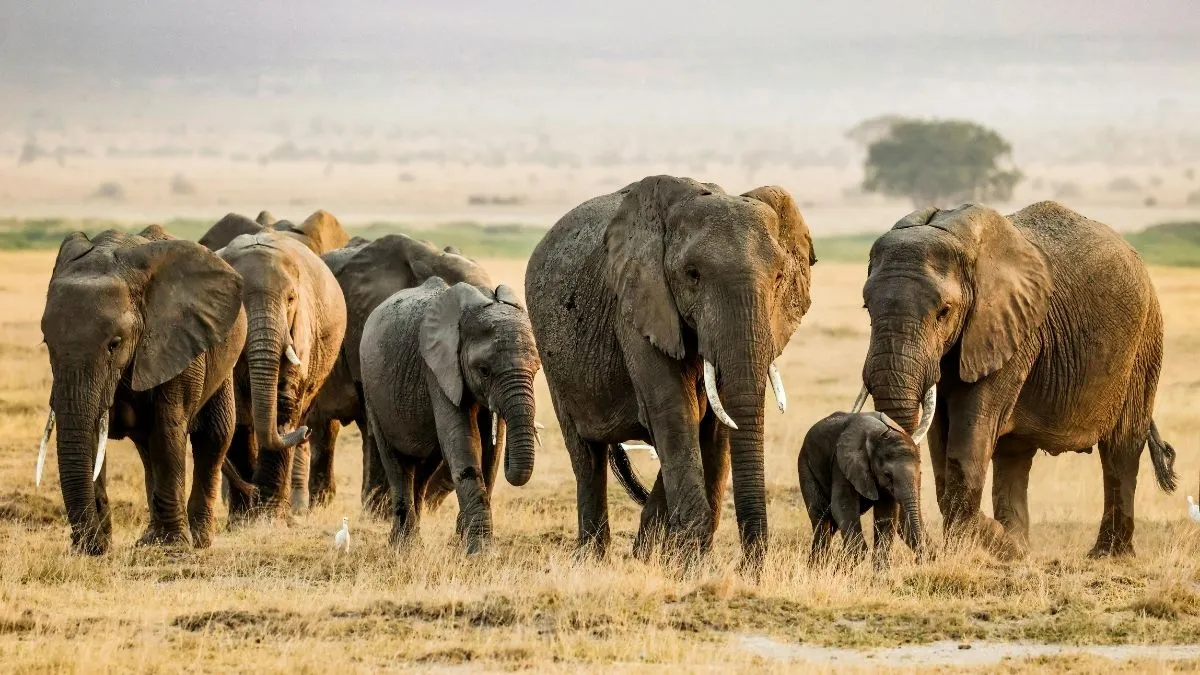
The name for a group of elephants may sound like simple trivia, but the term for their social gathering is a master class in prehistoric survival. If you've ever stood on the dusty plains of the Serengeti and asked yourself what a group of elephants is called, you are actually looking at one of the most sophisticated societies on Earth.
A group of elephants is more than just a herd. It is a tight-knit, matriarchal fortress where everyone has a job. Scientists have recently discovered that these herds of animals are so emotionally attached that they even use special rumbles to call each other by name.
Elephants are known to form a life bond, a line, a sync, or a circle, and they guard each other. But what is the exact word for this set? Are there more poetic names that naturalists use?
What is a Group of Elephants Called?
The most common and scientifically correct name for a group of elephants is a herd. “Clan” is the term biologists and the World Wildlife Fund (WWF) use to describe an elephant’s group of related females and their offspring.
In contrast to many other groups of animals, an elephant herd is uniquely matriarchal, led by the oldest female who possesses the map of water and food in her memory.
Herds may be made up of 8-100 animals, but are ultimately based on core family units. When several of these families get together, they form what researchers call a bond group – a large coordinated community.
Are there Other Names for a Group of Elephants?
In addition to the usual herd, there are also a number of descriptive and poetic collective nouns in the English language. The names are often derived from the movement or literary references of a bunch of elephants:
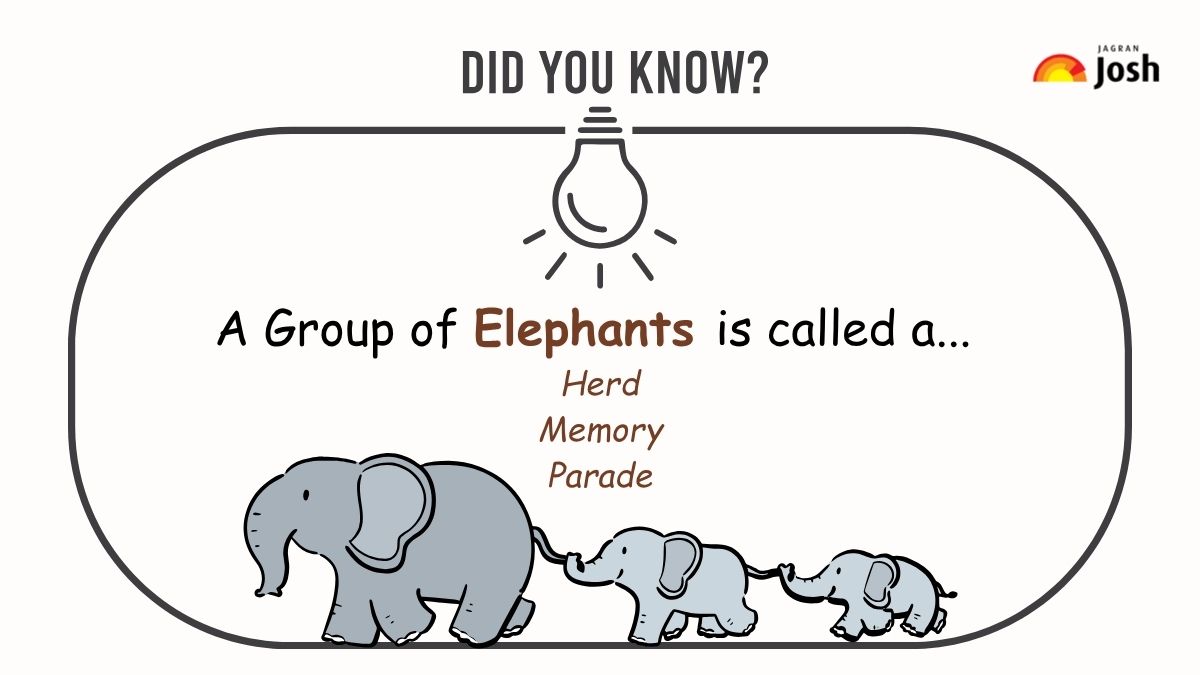
| Collective Noun for Elephants | Significance and Usage |
| Memory | A poetic term celebrating their ability to remember distant water holes and long-lost companions. |
| Parade | Frequently used when elephants are seen moving in a single-file line, common in both wild and ceremonial settings. |
| Family Unit | The primary biological term for a mother, her sisters, and their nursing calves. |
| Bachelor Group | Specifically refers to a small, loose gathering of young males who have left their birth herd. |
Why a Group of Elephants lives in a Herd
Survival in the harsh wild demands that a group of elephants remain tightly knit. Living in a herd of elephants provides a massive defensive advantage; when a predator like a lion approaches, the adults form a fortress-like circle around the calves.
According to National Geographic, the herd structure is also a living library. The matriarch uses her decades of experience to guide the group through droughts and toward seasonal vegetation.
This social structure also enables allomothering, in which adolescent females practice parenting skills by helping to care for the youngest members of the herd, thus ensuring the success of the next generation.
Check Out - What is a Group of Buffalo Called?
Collective Nouns for Other Groups of Animals
The animal kingdom is famous for its inventive names. For elephants, the collective noun is often a reflection of the animal’s most remarkable feature:
-
A Group of Giraffes: Tower (For their incredible height.)
-
A Group of Zebras: Dazzle (For the flickering effect of their stripes during a run.)
-
A Group of Lions: Pride (Reflecting their majestic and social nature.)
-
A Group of Owls: Wisdom (A classic nod to their perceived intelligence.)
-
A Group of Rhinos: Crash (Inspired by the sheer force of their movement.)
Also Read - What is the National Bird of Sri Lanka?
A herd of elephants , or even a ' memory '. These animals are the zenith of natural intelligence. But they have social structures beyond the numbers, with empathy, leadership, and a shared history that continue to fascinate researchers and nature lovers alike.

Harshita Singh is an education and general knowledge journalist with over 5 years of experience in educational writing. Specializing in US affairs and GK, Harshita has a track record of breaking down intricate geopolitical and historical subjects into clear, digestible insights for learners. Her strong background in text analysis, coupled with a Bachelor of Arts (Hons) in English from the University of Delhi, helps her produce authoritative, thoroughly researched content that empowers readers to engage confidently with global current affairs. For inquiries or academic insights, you can reach out to her directly at harshita.singh@jagrannewmedia.com.

-1791963980981_t.webp)
-1791947623778_t.webp)





![[यहां देखें] GDS 1st Merit List 2026 OUT: इंडिया पोस्ट जीडीएस पहली मेरिट लिस्ट जारी, ये रहा सर्कल वाइज रिजल्ट Direct Link](https://img.jagranjosh.com/images/2026/October/11102026/GDS-Merit-List-2026.jpg)