Which Country Has No Lakes?
Which Country Has No Lakes? Lakes are primarily fresh water, large inland bodies which are formed by glaciers, volcanoes or tectonics. In this article, read about countries without lakes, why some nations lack them and how countries without lakes manage water.
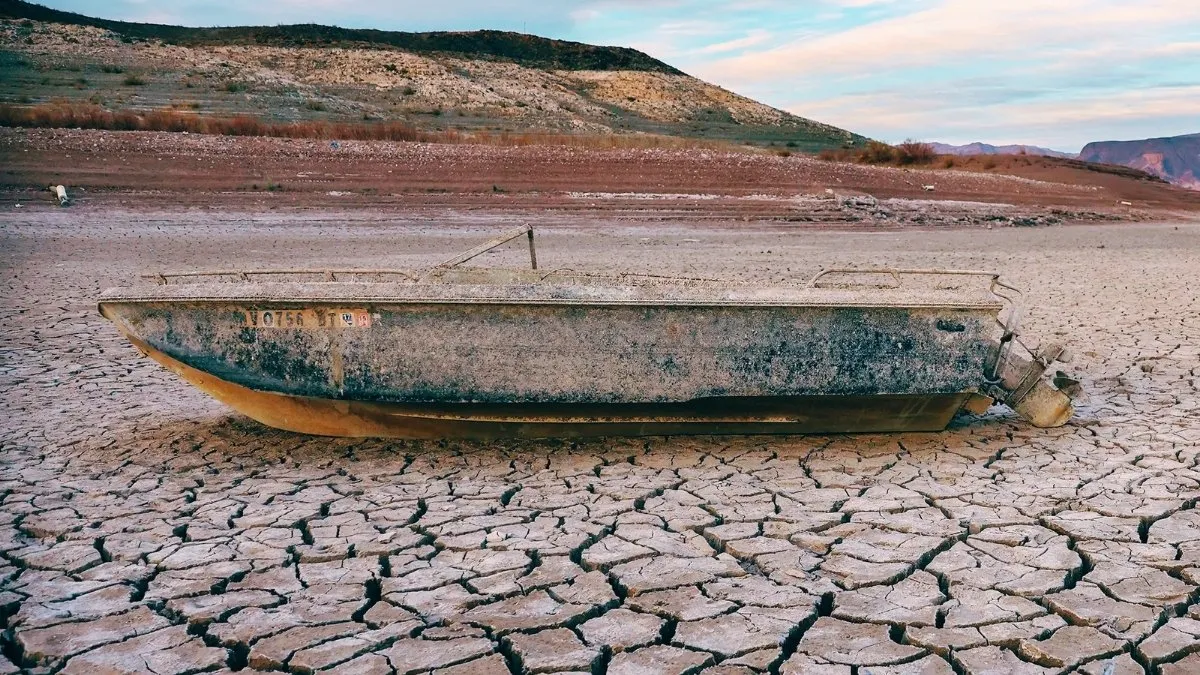
Lakes are primarily fresh water, large inland bodies which are formed by glaciers, volcanoes or tectonics.
Lakes offer drinking water, irrigation, and leisure activities for millions around the world. They sustain ecosystems and promote tourism in places such as Canada, which contains more than 879,800 lakes based on information from World Population Review.
However, there are nations that contain no natural lakes at all. Such conditions occur because of aridity, small land mass, or geological formations that cannot retain water.
More than 19 nations do not have permanent rivers or lakes worldwide, according to StudyCountry findings.
Which Country Has No Lakes?
Saudi Arabia is the primary country without lakes, it is also a country which does not have a river.
It is the largest nation that does not have any lakes or rivers. Its land area covers 2.15 million square kilometers.
The huge desert country obtains its supply of water from subterranean sources and from the world’s largest desalination plants. Occasionally, rainfall creates wadis, but no permanent lakes are formed.
Here's a quick list of countries without lakes:
| Country/Group | Details |
| Saudi Arabia | Largest at 2.15M sq km; desert climate; uses desalination. |
| Middle East: Oman, Qatar, Kuwait, Bahrain, Yemen | Arid lands; no permanent surface water. |
| Island Nations: Comoros, Maldives, Marshall Islands, Kiribati, Tuvalu, Malta, Tonga | Small size, porous soil drains water fast. |
| Microstates: Vatican City, Monaco | Tiny areas (under 1 sq km) can't hold lakes. |
Why Do Some Countries Have No Lakes?
Extensive desert areas hinder lake creation due to rapid evaporation. According to climate data from the World Bank, Saudi Arabia experiences only 59 millimeters of rain per year, which is too little to create lakes.
Tiny islands such as the Maldives feature sandy and porous soils, causing rainwater to filter underground rather than form pools.
Geographical features play an important role here as well. Deserts that lack elevation fail to form depressions. Other nations include Libya and Qatar, relying on groundwater resources for survival.
Such nations have devised innovative solutions. For instance, Qatar relies on seawater desalination to meet almost all its water demands. Vatican City, located within Italy, draws water from ancient Roman aquifers.
How Do Lake-Less Countries Get Water?
Desalination takes the lead. As per the Saudi Arabian Ministry of Environment, Saudi Arabia operates over 30 facilities, providing 5 million cubic meters per day.
Aquifers hold ancient resources. Maldives taps into the corals to extract freshwater lenses.
Rainwater harvesting and imports make up for the shortage. The rainwater is collected from rooftops in Comoros, while Monaco imports water from France.
There are many difficulties faced, such as exorbitant prices that burden economies. However, technologies like solar-powered desalination may prove beneficial.
Conclusively, Saudi Arabia is the leading country without lakes, followed by desert and island countries alike. Despite their geographic limitations, they survive thanks to efficient water technology. Every time you encounter a lake, remember it is rare!

Alisha Louis is a US content specialist with over 3 years of experience in journalism and storytelling. A graduate with a Bachelor’s degree in Journalism and Mass Communication (BJMC), Alisha has focused her career on covering trending news and major educational developments across the United States. Her sharp eye for detail, combined with a strong journalistic point of view, helps her break down complex American educational topics into accessible, engaging narratives for a global audience. Dedicated to delivering timely and trustworthy reporting, she brings a fresh and insightful perspective to the evolving US academic landscape.