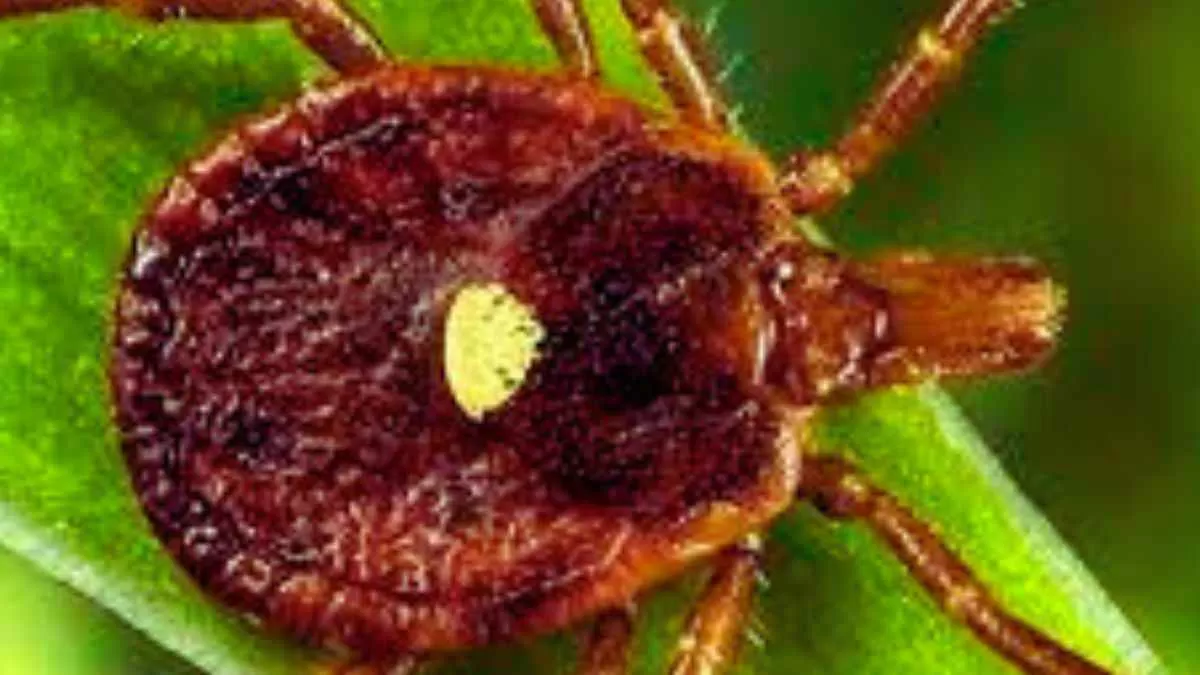
Recently, the Centers for Disease Control and Prevention (CDC) has shown the concern of an incessantly increasing number of the American population getting caught in the trap of a rare meat allergy called alpha-gal syndrome. This syndrome has already impacted 450,000 people. On Thursday, this data was released. The data showcased the alarming acceleration of cases of such life-threatening allergies caused by tick bites.
What is the alpha-gal syndrome?
Alpha-gal is a sugar molecule present in multiple mammals. The Alpha-gal (galactose-α-1,3-galactose), however, is not present in reptiles, people, fish, and birds. The sugar molecule may also be found in products derived from certain mammals, which include cow's milk, gelatin, and other dairy products. A serious, life-threatening allergy, alpha syndrome, can result in a life-threatening reaction when individuals intake certain meat. This rare allergy, as per the researchers, is connected to a rare allergy to the saliva of the star tick (Amblyomma americanum). These can be identified by the white spot on their back. These are found especially in the eastern and southern regions of the United States. The expanding range of the tick leads to an increasing health concern. The Alpha-gal syndrome, abbreviated as the AGS is known by other names too, like the tick bite meat allergy or the red meat allergy. Unlike many other syndromes, the AGS is not a result of an infection but rather may occur after the intake of red meat, or maybe through exposure to other items having the alpha-gal molecule.
As per a report by the Centers for Disease Control and Prevention, in the time frame between 2010 and 2022, i.e. in approximately a decade, 110,000+ suspected cases of the Alpha-gal syndrome have been identified. However, it is important to note that additional research is required to delve deep into the statistics of the people actually getting affected.
Understanding the Lone Star Tick Bites
The lone star tick bites an individual, and that is when the alpha-gal allergen can lead to adverse reactions to meat and animal products. Food items like beef, lamb, pork, gelatin, venison, rabbit, and more are seen to be dangerous for people already suffering from alpha-gal syndrome. Certain pharmaceuticals may also be dangerous for such people.
AGS and Tick Bites
AGS is linked to tick bites. Clinical evidence shows that the AGS is basically linked with a lone star tick's bite in the United States. However, that does not mean that other forms of ticks may not lead to AGS. For instance, in other countries, other types of ticks have resulted in the syndrome.
Symptoms of the Alpha-Gal Syndrome
While the symptoms of the allergy can vary from individual to individual, these can start from mild fever, or may even turn life-threatening. The allergy can result in hives, diarrhea, shortness of breath, and cramps. Other symptoms include nausea, heartburn, cough, a drop in blood pressure, dizziness, extreme stomach pain, and swelling of the throat, lips, eyelids, or tongue.
When do these symptoms appear?
The symptoms appear commonly post 2-6 hours of intaking meat or dairy products or post-exposure to products having the alpha-gel.
It is important to note that the AGS may not manifest in the same manner for everyone. The syndrome can range from mild to life-threatening. Moreover, not every alpha-gal exposure may lead to an allergic reaction. However, in case one feels any of the symptoms, it is extremely essential to consult the right healthcare provider.
How to know if you have an AGS?
According to the CDC, AGS may be diagnosed through allergists or other healthcare providers via a detailed history of the patient, blood test, and physical examination. The blood test helps find out certain antibodies (proteins created by the body's immune system to fight dangers) to alpha-gal. The healthcare provider may also diagnose the issue through allergy skin testing.
NOTE: The Alpha-Gal syndrome could get life-threatening. Therefore, it is important to seek immediate emergency healthcare in case one faces an allergic reaction or any of the symptoms above listed.
Who can get an AGS?
The alpha-gal syndrome can victimize anyone. A majority of reported cases of AGS hail from people residing in the Central, East, and South United States. AGS can develop in all age groups, however, a majority of cases belong to adults.
What to do first in case I get an AGS?
In case you get an AGS, the help of an allergist or a healthcare provider must be taken to manage the syndrome. There are many food items and other products that contain alpha-gal. A good healthcare provider may help one understand the products you need to avoid. Moreover, you should also try to prevent tick bites, as these can easily reactivate allergic reactions.
The right preventive measures
Prevention is better than cure. One can prevent tick bites and reduce the risk of developing AGS. Here are a few prevention tips one can follow to avoid falling into the trap of the syndrome.
When outdoors, make sure you avoid contact with wooden, brushy, or grassy areas, where there may be ticks. Make use of good quality insect repellants before you go out. Additionally, try walking in the center of the trails.
Once you come indoors, check your gear and pets for the presence of ticks. Make sure that your clothing does not have any ticks. Shower properly and change into fresh clothes. In case you find an attached tick, remove the tick without any delay. Moreover, perform steps to prevent your pets from ticks.
The takeaway
The alpha-gal syndrome has newly come to light. While many people have fallen into the trap of the syndrome, a majority of people do not know much about the AGS. In order to fight any healthcare crisis, mankind needs to perform just a few important steps. One of them is definitely seeking medical help in case one experiences any symptoms. The second important step is to perform all preventive measures to safeguard oneself and one's dear ones from the attack. And finally, it is quite essential to spread the word, so that mankind at large can get ready to fight the crisis. The collaborative efforts of everyone can help in fighting the battle.





Comments
All Comments (0)
Join the conversation