Which is the Oldest River in India?
Oldest Rivers in India: The Narmada River is India's oldest, estimated at 160 million years, predating the Himalayas. Its unique westward flow is dictated by the Narmada-Son Lineament fault, which runs through a rift valley, making it a geological anomaly.
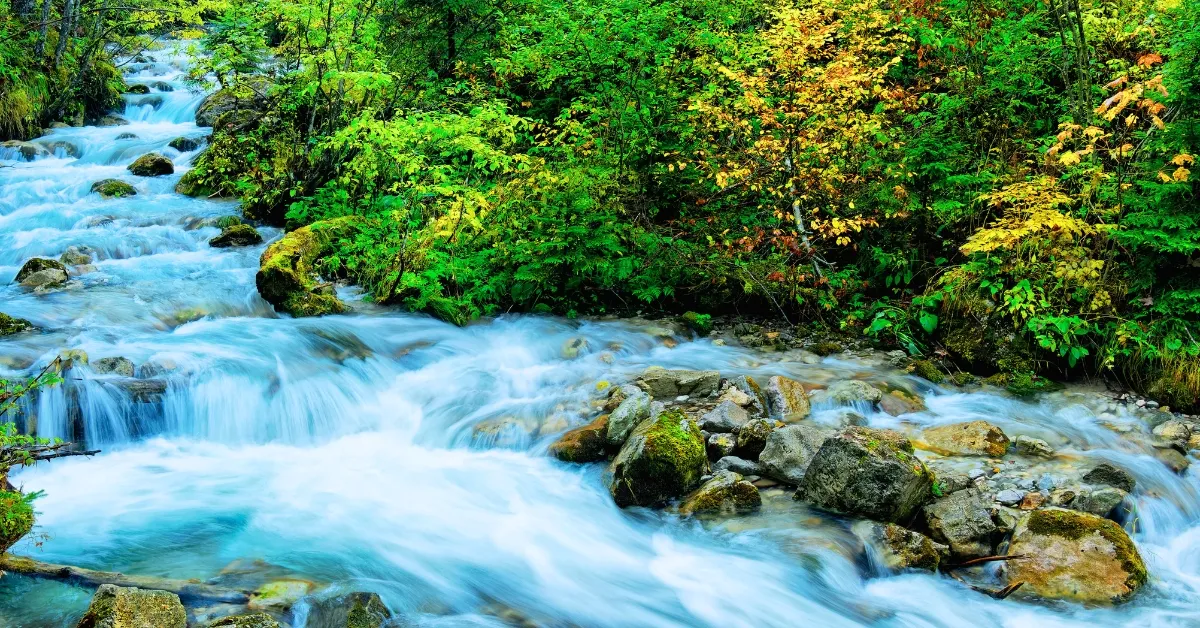
Rivers are truly the lifeblood of India, shaping its land, culture, and economy for millennia. They have provided water for drinking, irrigation, and industry since ancient times, supporting some of the world's earliest civilisations, like the Indus Valley. Many of these waterways date back millions of years, predating even the mighty Himalayas. India is home to more than 400 rivers in the subcontinent. Among them, the Ganga is the longest river flowing entirely within India's borders, and it is also considered the largest by discharge. The Brahmaputra is another colossal river, recognised as one of the largest in Asia. Do you know which river is the oldest in India, also known as the 'Lifeline of Madhya Pradesh and Gujarat'? This ancient river flows westward through a rift valley, unlike most major Indian rivers. In this article, we'll take a look at the oldest and most historically significant rivers of India.
List of the Oldest Rivers in India
The Narmada River is widely considered the oldest river in India, with geological evidence suggesting its system is around 160 million years old. It starts at the Narmada Kund on the Amarkantak Plateau in Madhya Pradesh (Maikala Range). Here’s the list of the top 5 oldest rivers of India:
| Rank | River Name | Average Age | Key Indian States | Source | Length (Known) |
| 1 | Narmada | 160 million years | Madhya Pradesh, Maharashtra, Gujarat | Narmada Kund | Fifth-longest in India |
| 2 | Ganges (Ganga) | Over 50 million years | Uttarakhand, UP, Bihar, West Bengal, Bangladesh, and more | Alaknanda River (Devprayag) | Transboundary |
| 3 | Yamuna | Over 22 million years | Uttarakhand, Himachal Pradesh, Haryana, Delhi, Uttar Pradesh | Yamunotri | Longest tributary in India |
| 4 | Sone | Over 2,000 years ago | Chhattisgarh, Madhya Pradesh, Uttar Pradesh, Jharkhand, Bihar | Pendra, Chhattisgarh (Amarkantak Hills) | Over 780 kilometres |
| 5 | Brahmaputra | Over 3,000 years ago | Arunachal Pradesh, Assam, Bangladesh, Tibet (China) | Chemayungdung glacier, Manasarovar | Colossal Transboundary |
1. Narmada River
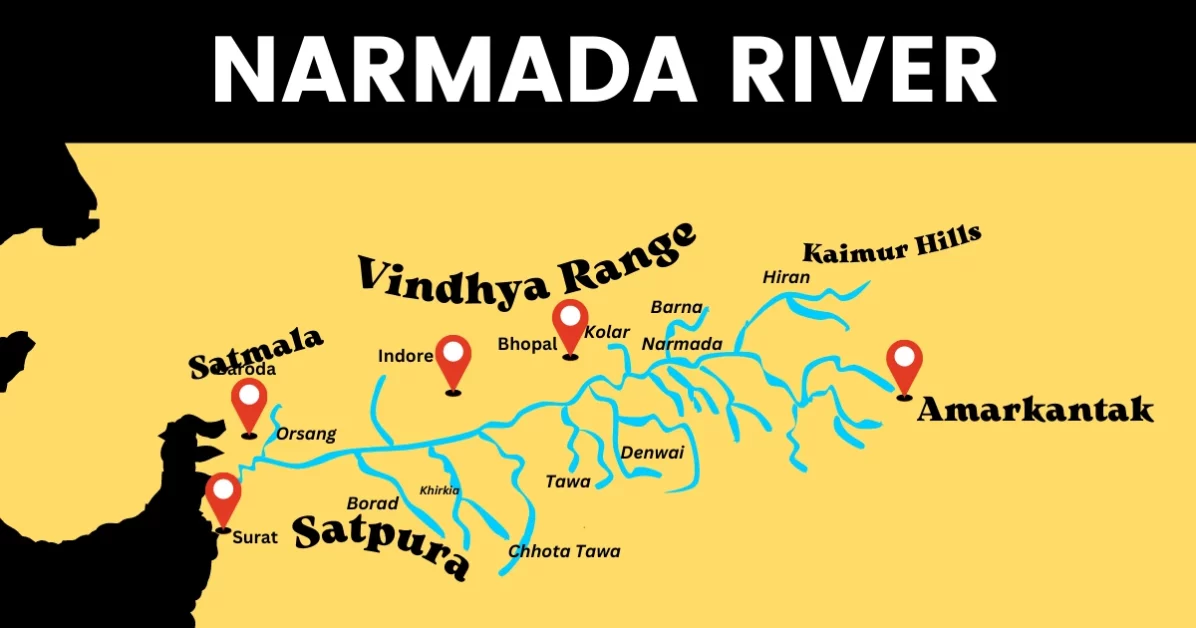
The Narmada River is widely regarded as the oldest river in India, with an estimated age of 160 million years. It is the fifth-longest river in the country, flowing through Madhya Pradesh and Gujarat, where it's considered a lifeline. Uniquely, the Narmada flows from east to west, a rare directional trait for major Indian rivers. Historically, the British referred to it as Nerbudda or Narbada.
2. Ganges (Ganga) River
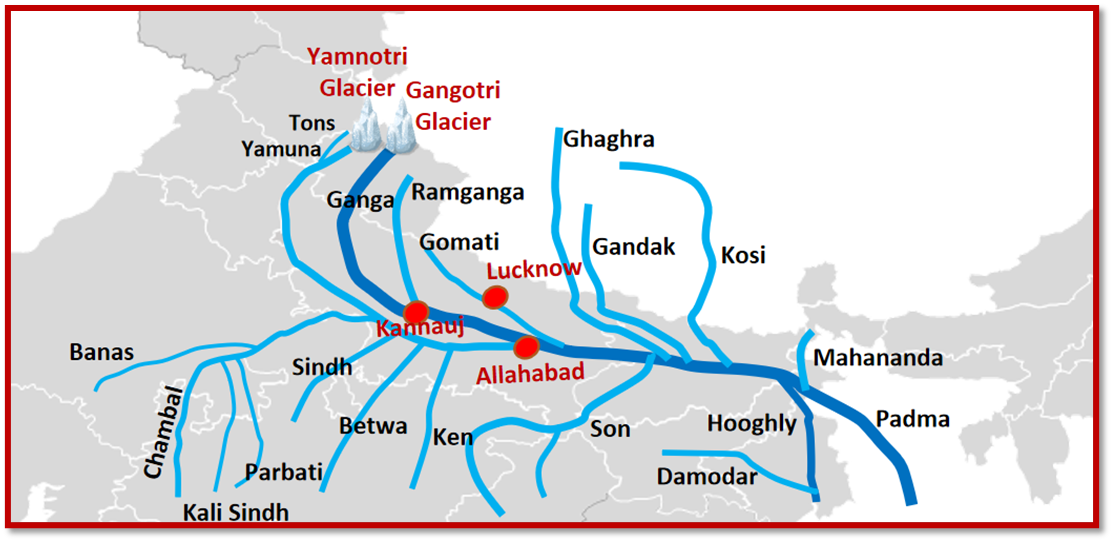
With an average age of over 50 million years, the Ganges River is arguably India's most famous and sacred waterway. It's a transboundary river flowing through India and Bangladesh. The main stem of the Alaknanda River originates at Devprayag in Uttarakhand.
3. Yamuna River
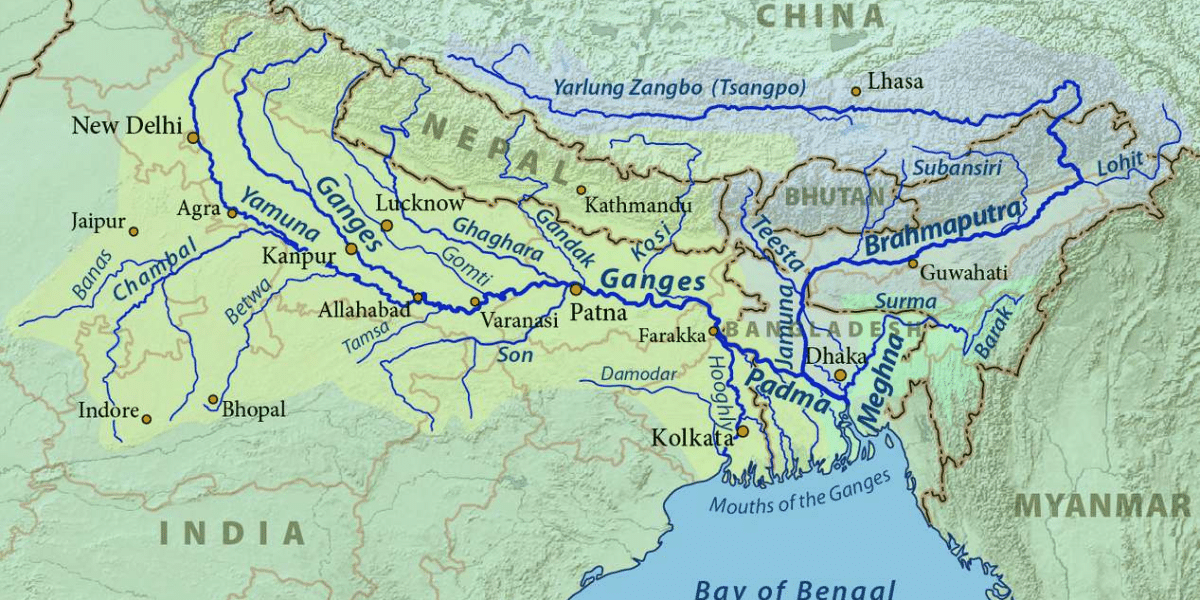
The Yamuna River, dating back over 22 million years, is a significant and highly ancient waterway. It is the Ganges' second-largest tributary and the longest in India. Originating at Yamunotri, the river provides a water supply to millions, including about 70% of New Delhi's water. Unfortunately, the Yamuna is also notorious for being one of the world's most polluted rivers.
4. Sone River
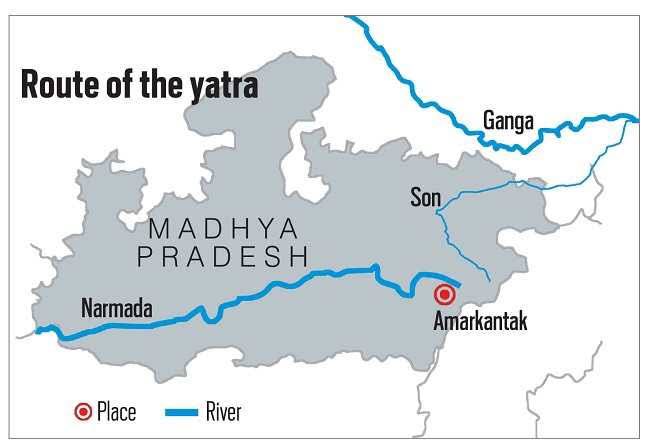
The Sone River is an ancient river estimated to be over 2,000 years old. Originating near Pendra in the Amarkantak Hills of Chhattisgarh, it eventually merges with the Ganges. At over 780 kilometres long, it is one of the longest in the country. Despite its length, it is wide and shallow, making it an unreliable water source during dry seasons. It also serves as a natural boundary between the Magahi- and Bhojpuri-speaking regions of Bihar.
5. Brahmaputra River
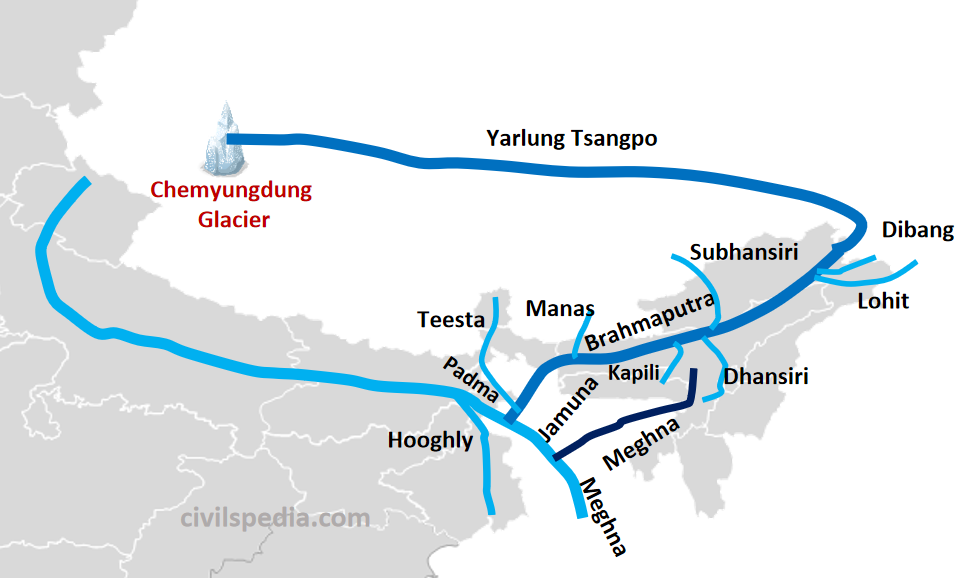
The Brahmaputra River is another ancient river whose exact age is unknown, but it's estimated to be over 3,000 years old. It originates from the Chemayungdung glacier near Mount Kailash in Tibet (Manasarovar Lake), meaning it doesn't start in India. It flows through Southern Tibet before entering India in Arunachal Pradesh and eventually merging with the Ganges in the Ganges Delta.
Which is the Oldest River in India?
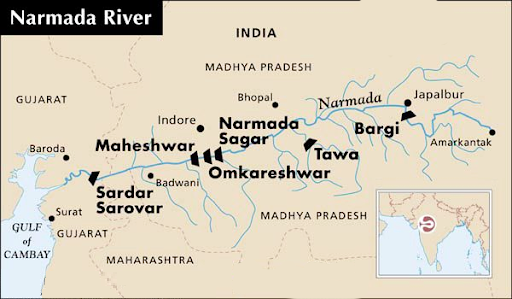
The Narmada River is widely considered the oldest river in India, with an estimated age of around 160 million years. It begins at the Narmada Kund on the Amarkantak Plateau in Madhya Pradesh. Uniquely, the Narmada flows westward through a rift valley, running between the two mountain ranges, the Vindhyas and the Satpuras. It flows primarily through the states of Madhya Pradesh and Gujarat, with a small part along the border of Maharashtra.
After travelling for over 1,300 km, it empties into the Arabian Sea via the Gulf of Khambhat near the city of Bharuch in Gujarat. This ancient river is often called the 'Lifeline of Madhya Pradesh and Gujarat' because of the immense support it provides.
10 Lesser-Known Facts About the Narmada River
- It is one of the only two major rivers in Peninsular India that flows from east to west (the other being the Tapti).
- The river carves its path through a rift valley situated between the Vindhya and Satpura mountain ranges.
- Geologically, the Narmada river system is considered older than the Himalayas and the Ganga river itself.
- The river has ancient names, including Rewa (meaning 'the leaping one') due to its falls and Vipapa (meaning 'sinless').
- Near Jabalpur, the river plunges over a cliff, creating the famous Dhuandhar Falls (meaning 'smoke cascade').
- The Narmada Valley is a significant paleontological site, with fossils of dinosaurs and early human ancestors.
- Historically, the river has served as a traditional boundary between North and South India.
- The river's water flow (discharge) is highly seasonal, with over 90% of its annual volume occurring during the four months of the monsoon season (June to September).
- The region around the Narmada is tectonically active, with evidence of Cenozoic (recent) uplift influencing the river's gradient and causing its sharp falls.
- The river basin is dominated by ancient geological formations, including Deccan Traps basalt (volcanic rock) in the west and granite/gneiss in the eastern plateau region.

Kriti Barua is a skilled digital journalist and communications professional with 4+ years of experience, currently writing for the General Knowledge section at Jagran New Media. She has established herself as a subject matter expert in History, Geography, Trending National and International News, Sports, Science, and Defence, producing clear, reliable, and search-optimised content that connects with readers worldwide.
Kriti holds a BA degree from Delhi University and a one-year diploma in TV Production and Journalism, an academic background that adds research depth and strong storytelling instincts to her writing. Her experience spans brand writing, content marketing, and digital media, giving her a sharp understanding of what makes content both helpful to readers and visible in search.
At Jagran New Media, she applies this expertise to national and international news coverage, query-based articles, and in-depth pieces across her specialist subject areas. Her content is defined by easy language, factual accuracy, strong keyword strategy, and reader-friendly storytelling.







![NIOS Hall Ticket 2026 [OUT] LIVE: Download Class 10th, 12th October Theory Admit Card at sdmis.nios.ac.in, Direct link here](https://img.jagranjosh.com/images/2026/October/16102026/NIOS-Hall-Ticket-2026.jpg)