DNA vs RNA: Check the Key Differences and Similarities
Wondering what is the difference between DNA and RNA? Learn the differences, key similarities, structures, and roles in genetics. Read this simple guide now!
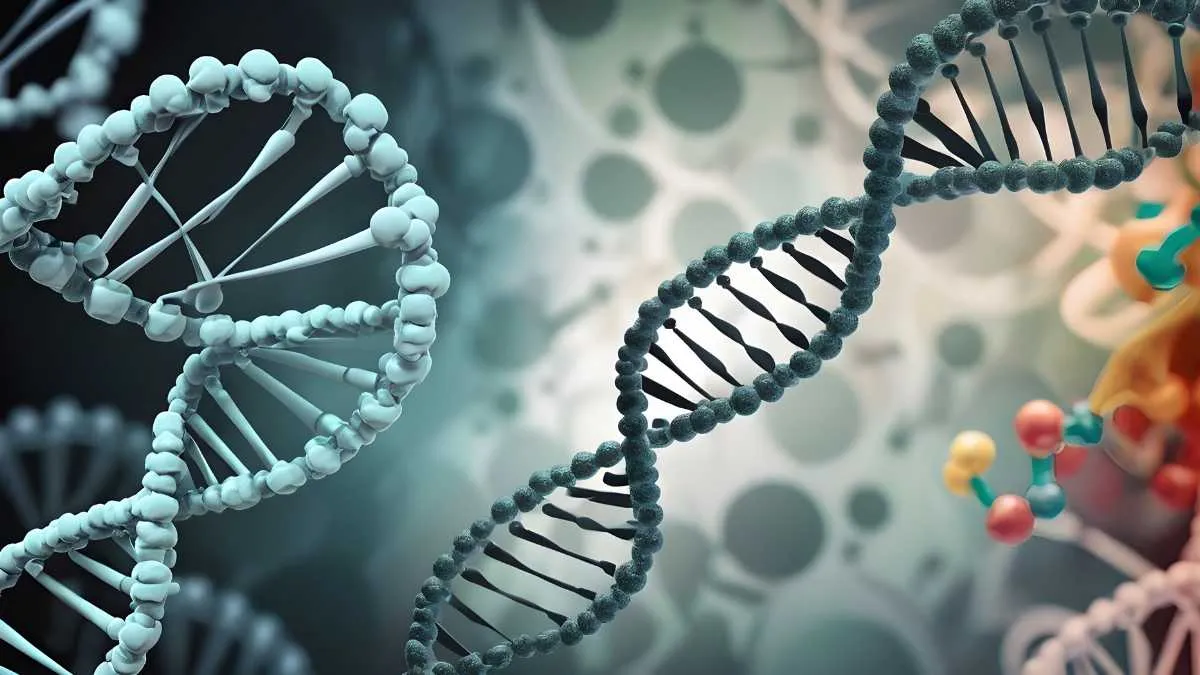
DNA or Deoxyribonucleic acid and RNA or Ribonucleic acid are two vital molecules present in living cels. DNA stores the genetic information of the organism and acts a long term blueprint, while RNA acts as a messenger, which reads those instructions and translates them to build proteins necessary for the cell function. DNA is double stranded and RNA is mostly single stranded.
Introduction to DNA and RNA
DNA and RNA are essential for the growth and replication of genetic information. If you are a student or someone with interest in science, then you must first understand the difference between DNA and RNA.
What is DNA?
DNA stands for Deoxyribonucleic acid. It is the core genetic material in humans and almost all other living organisms. In simple terms, think of it as a massive library that contains all the essential information to build and maintain your body.
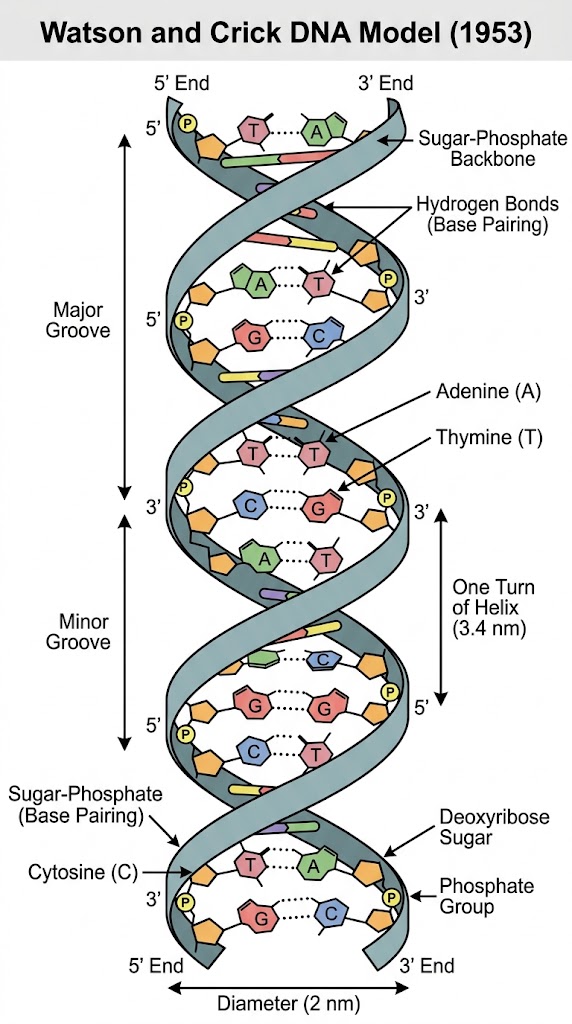
DNA has a double helix shape which was discovered by Watson and Crick in 1953. It looks exactly like a twisted ladder. The sides of this ladder are made of sugar and phosphate. The rungs of the ladder are made of chemical bases that pair up in very specific ways to create your genetic code.
What is RNA?
RNA stands for Ribonucleic acid. It is the messenger of the cell. RNA translates the information from DNA into functional proteins and is an important regulator of gene expression. Without RNA, the vital instructions stored in your DNA would not be translated.
RNA is mostly a single-stranded molecule. Although there are some viruses that have double-stranded RNA, like the Rotavirus. This single-stranded shape makes it flexible and mobile, allowing it to easily travel throughout the cell to carry out its function.
DNA is the blueprint of your body. It securely stores all your genetic information. RNA is the active construct. It sequences the DNA blueprint and makes the proteins your body that is required for the various body functions. They are a team that works closely but have various roles, shapes, and chemical parts. In this article we shall discuss the differences and similarities between these important genetic molecules DNA and RNA.
Difference Between DNA and RNA
DNA and RNA are alike though there are obvious differences. They are both necessary nucleic acids. Both are made out of long chains of their smaller units known as nucleotides. Each individual nucleotide of both molecules has a sugar, a phosphate group and a nitrogen base. They have very important and core functions in cell biology and genetics.
The following are some of the differences between DNA and RNA:
| Feature | DNA | RNA |
| Full Name | Deoxyribonucleic Acid | Ribonucleic Acid |
| Structure | Double-stranded helix | Single-stranded |
| Sugar Type | Deoxyribose | Ribose |
| Chemical Bases | Adenine, Thymine, Cytosine, Guanine | Adenine, Uracil, Cytosine, Guanine |
| Location | Mostly in the cell nucleus | Nucleus and cytoplasm |
| Primary Function | Stores long-term genetic information | Translates data to build proteins |
| Lifespan | Highly stable and long-lasting | Short-lived; breaks down quickly |
Key Takeaways
1. Your genetic codes are contained in the DNA; DNA is executed by RNA, to create proteins.
2. DNA has a well-known, double helix structure, whereas RNA tends to be a single strand.
3. DNA is made with a sugar known as deoxyribose, whereas RNA is made with a sugar known as ribose.
4. They are both nucleic acids that consist of a sugar, phosphate and a chemical base.
Is it possible to convert RNA to DNA?
Normal RNA does not spontaneously convert into human cell DNA. Some viruses such as HIV do however employ a special enzyme called reverse transcriptase to reverse copy their viral RNA into DNA.
Why does DNA have thymine, and RNA have uracil?
Base thymine is used in DNA as it is very stable. This stability safeguards your genetic code against harmful errors. RNA involves the use of uracil since it consumes significantly lower energy levels to be synthesized by a cell and this is ideal in an instance of a short-lived message.
Do humans have both RNA and DNA?
The human cells do have both RNA and DNA. The DNA remains securely attached in the cell nucleus, and the RNA is free to move around the cell to aid in protein construction.
Overall, DNA and RNA play a crucial role in the tale of life. DNA is a safe deposit box that holds your long-term genetic map, and RNA is the busy-body messenger that helps create the proteins that you require to survive. Knowing the difference between RNA and DNA will enable you to quickly understand the fundamentals of genetics.
Check out some more interesting articles from the general knowledge section to boost your knowledge of national and international topics. Stay connected with Jagran Josh for more topics like this.
ALSO READ:

Mriganka Chakraborty is a seasoned digital journalist and communications professional who is currently working as Deputy Manager at Jagran Josh, where he leads the General Knowledge Section. As a subject matter expert with 8+ years of editorial experience, he has created authoritative content that is trusted by millions of readers around the world in Science, History, Geography, Polity, Economy, Sports, and Technology. His extensive expertise in these subjects enables him to present complex topics in an engaging, accurate, and reader-friendly manner to a global audience, making learning addictive and fun.
His background in a wide range of content areas and his ability to move between them make him a trusted voice to readers who want reliable, well-researched content across a variety of disciplines.
In his leisure time, Mriganka enjoys reading fiction novels and watching action and thriller movies, and cricket, which not only hone his storytelling skills but also keep his editorial vision fresh and dynamic.