Which Countries Are Allowed By Iran To Pass Through The Strait Of Hormuz?
Israel-Iran Conflict 2026: In response to the 2026 maritime crisis, Iran has limited access to the Strait of Hormuz. Ships from countries it considers hostile are not allowed through, while certain friendly nations can pass if they closely coordinate with Iranian naval officials.

The Strait of Hormuz is one of the world’s most important waterways. It is a narrow channel between Iran and Oman that links the Persian Gulf to the open ocean. Nearly 20% of the world’s oil and gas moves through this route every day, making it a key point for global trade.
Recently, the strait has been at the centre of a crisis. After the Israel-Iran conflict in early 2026, Iran blocked the passage for many ships. This led to higher global energy prices and left hundreds of vessels stranded.
Although the strait is technically open, Iran now only lets certain 'friendly' countries use it. In this article, we’ll look at which countries can still pass through and what rules they need to follow to stay safe.
ALSO READ: What is Strait of Hormuz? Check its Map, Countries, Location and Importance in West Asia
U.S.-Israel-Iran war: List of countries allowed to cross the Strait of Hormuz

The Strait of Hormuz connects the Persian Gulf to the Gulf of Oman and is one of the world’s most important shipping routes. Nearly 20% of global oil passes through this narrow waterway. After military conflicts in early 2026, Iran limited access, letting only certain countries pass through safely.
Countries Allowed To Cross The Strait Of Hormuz
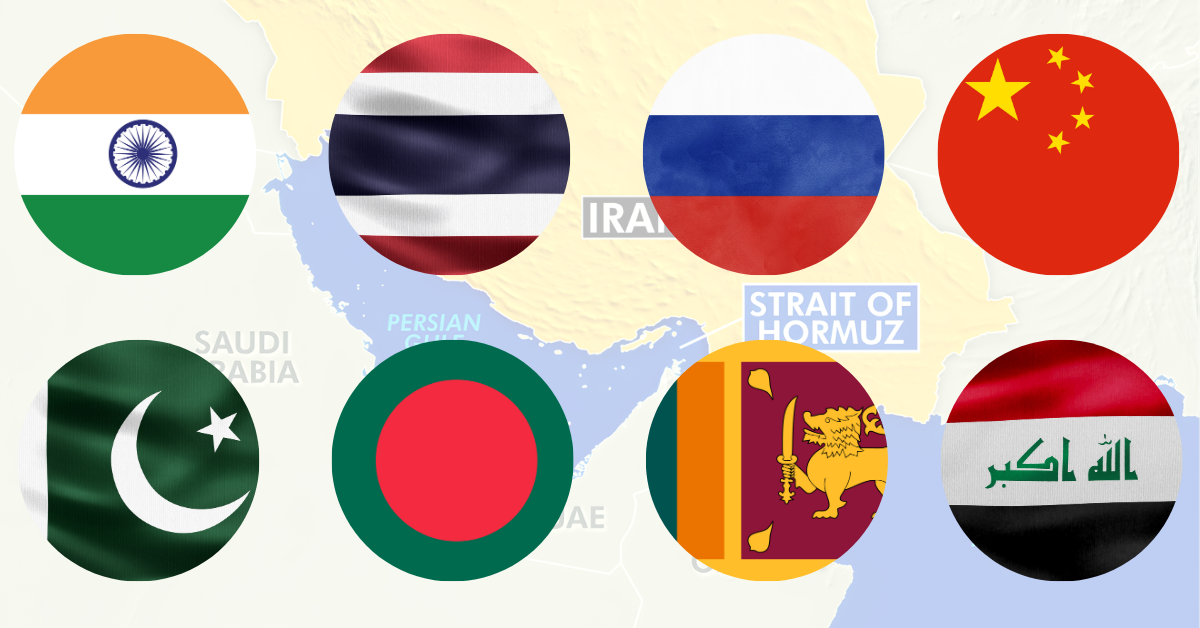
Following the official announcement by Iranian Foreign Minister Abbas Araghchi on March 25, 2026, the following nations have been granted safe passage:
| Country | Status | Conditions for Passage |
| China | Friendly | Full coordination with Iranian naval forces (IRGC). |
| Russia | Friendly | Prior notification and strict diplomatic clearance. |
| India | Friendly | Detailed cargo verification; focus on energy security. |
| Pakistan | Friendly | Coordination via designated "safe maritime corridors". |
| Iraq | Friendly | Strict adherence to Iranian safety and security rules. |
| Sri Lanka | Friendly | Recognised for humanitarian and logistical support. |
| Thailand | Friendly | Specifically noted for successful diplomatic coordination for its tankers. |
| Bangladesh | Friendly | Also mentioned by the Foreign Minister as having coordinated passage |
Understanding the Permission Policy
- The Iranian government has created a list of countries allowed to use the Strait during the current conflict.
- These nations are considered "friendly" because of their diplomatic ties or neutral stance.
- Still, ships from these countries do not have automatic access.
- They must work with the Islamic Revolutionary Guard Corps (IRGC) by providing cargo information and crew lists and by following set routes.
- By using a selective blockade, Tehran aims to maintain ties with key economic partners but block ships from countries it considers hostile, such as the United States and Israel.
- This move increases strategic pressure during the 2026 crisis.
Key Details of the Policy:
- Coordination Required: Passage is not automatic. Vessels from these nations must coordinate directly with Iranian naval authorities (IRGC) and follow designated safe corridors.
- Reciprocal Support: Iran strongly expressed its gratitude towards India and Sri Lanka for their assistance in transferring Iranian ships to safe locations after military incidents earlier in the month.
- Strict Exclusions: The Foreign Minister confirmed that the waterway remains closed to "hostile" nations, specifically the United States, Israel, and any Gulf nations directly involved in the current military conflict.
- Proposed Transit Fees: Reports indicate that the Iranian Parliament is drafting legislation to formalise a $2 million "transit fee" for vessels seeking safe passage through the waterway to legally establish Iranian authority over the strait.
IN CASE YOU MISSED: Which Asian Countries Are Facing the Biggest Oil & Petrol Shortages in 2026?
Conclusion
In conclusion, the Strait of Hormuz is still the most important area for global economic stability and maritime security. Iran’s current approach of allowing selective passage serves both as protection and as a diplomatic strategy. By letting partners such as India, China, and Russia through, Tehran supports its own economy and blocks its rivals. This setup offers short-term relief to energy markets friendly to Iran, but the situation remains very unstable.
WHAT'S NEXT: Which Country Is the Largest Producer of Petroleum Oil in the World?

Kriti Barua is a skilled digital journalist and communications professional with 4+ years of experience, currently writing for the General Knowledge section at Jagran New Media. She has established herself as a subject matter expert in History, Geography, Trending National and International News, Sports, Science, and Defence, producing clear, reliable, and search-optimised content that connects with readers worldwide.
Kriti holds a BA degree from Delhi University and a one-year diploma in TV Production and Journalism, an academic background that adds research depth and strong storytelling instincts to her writing. Her experience spans brand writing, content marketing, and digital media, giving her a sharp understanding of what makes content both helpful to readers and visible in search.
At Jagran New Media, she applies this expertise to national and international news coverage, query-based articles, and in-depth pieces across her specialist subject areas. Her content is defined by easy language, factual accuracy, strong keyword strategy, and reader-friendly storytelling.