When is Chinese New Year 2026? Date, Meaning and History Explained
The Chinese New Year, or Spring Festival, is the most significant holiday in Chinese culture, symbolizing renewal and togetherness. It originates from ancient traditions welcoming spring and involves family gatherings, food, and cultural shows.
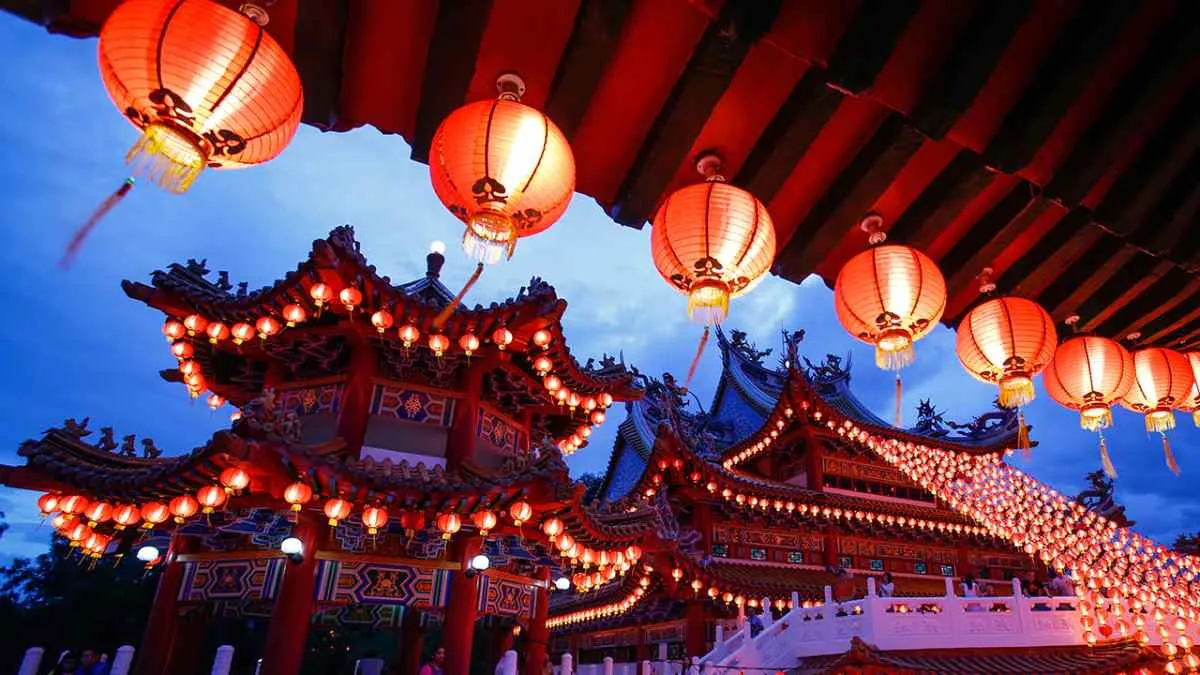
Key Points
- Chinese New Year, also known as Spring Festival, marks the start of the lunar calendar year.
- Celebrations began 3,500 years ago to welcome spring and honor ancestors.
- In 2026, Chinese New Year will be celebrated on February 17th.
The largest and most important holiday in China's history and culture by tradition, is the first day of the new lunar calendar, which is celebrated every year in conjunction with the spring festival, or Chinese New Year.
Thousands of years later, this holiday will continue to be celebrated in both mainland China and around the globe in areas where there is a large population of Chinese people, bringing together families as they celebrate with food, cultural performances, decorations that have special meaning, and through each others' company.
In 2026, Chinese New Year celebrations will include new zodiac year celebrations, thereby starting a new cycle of Chinese New Year holidays, and continuing the three traditions of Chinese New Year: to honour ancestors, to wish for material wealth, and to provide all people with the hope of a prosperous new year through continued traditions.
Check Out: Who is Known as the Father of Modern Turkey?
When is Chinese New Year 2026?
Chinese New Year 2026 will take place on February 17, 2026.
Dates are scheduled according to lunar calendars, therefore, they can vary from year to year. New year celebrations start the night before and last for 15 days, until the end of the Lantern Festival.
Each of these days has traditional customs, family reunion dinners, parties and public events.
How did Chinese New Year Begin?

Source: History.com
The origins of the Chinese New Year go back approximately 3,500 years to Ancient China. This celebration began as a way for communities to say goodbye to a long winter and welcome springtime.
In the early days, farmers would perform ceremonies in honour of their ancestors, as well as the gods, to ask them for protection and to pray for a good harvest each year.
Many of the traditions associated with the Chinese New Year have been impacted by legendary tales, one of which is the story of the Nian monster, where red decorations and firecrackers originated. In the early days of the Chinese dynasty, the lunar calendar was used to determine the date for celebrating the New Year.
Over the course of time, this festival evolved from religious ceremonies into a large cultural event that brought all family members together to celebrate renewal and good luck and is now one of the most significant holidays in China and Chinese communities around the world.
Is Chinese New Year and Lunar New Year the same?
Lunar and Chinese New Year are similar, but they are not exactly the same. To clarify, Lunar New Year is an umbrella term for the New Year celebrations that take place based on the lunar calendar.
Chinese New Year is more specific to celebrations and traditions that originated in China. There are various cultivated ways to celebrate Lunar New Year in different countries; Vietnam and South Korea also have their own ways of celebrating.
In terms of the date of both holidays, it is generally the same; however, the customs, foods, and name of the holiday vary between cultures.
In this way, even though many will often use these two terms interchangeably since Chinese New Year is considered to be the most well-known, it can be stated that Lunar New Year represents all cultures that have developed similar customs beyond just China.
Conclusion
The 2026 celebration of Chinese New Year represents a strong connection to centuries of established traditions, a sense of belonging in the family, and a deep respect for culture. The worldwide celebration of Chinese New Year's theme embodies the spirit of renewal, optimism, and fair success.

Ayukta Zisha is an education journalist with over three years of experience in digital media. A graduate of St. Xavier’s College, she holds a Master’s degree in English along with a certification in Digital Marketing from IIT Delhi. Backed by a strong academic foundation in the humanities, she specializes in creating educational and general knowledge content across history, geography, literature, and current affairs. During her tenure at Jagran Josh, she worked extensively on U.S. news and global developments, curating informative and engaging content for a diverse readership. Her subject expertise and ability to simplify complex topics enable her to make complex information accessible to a wide audience. Beyond journalism, Ayukta is an avid reader and a published author.