What is Shamonda Virus? France Confirms First Human Case; Symptoms, and Risks Explained
Health authorities in France have confirmed the world's first human case of the Shamonda virus in a leukemia patient. Transmitted by tiny midges, this livestock pathogen has raised questions regarding symptoms, transmission routes, and potential public health risks.
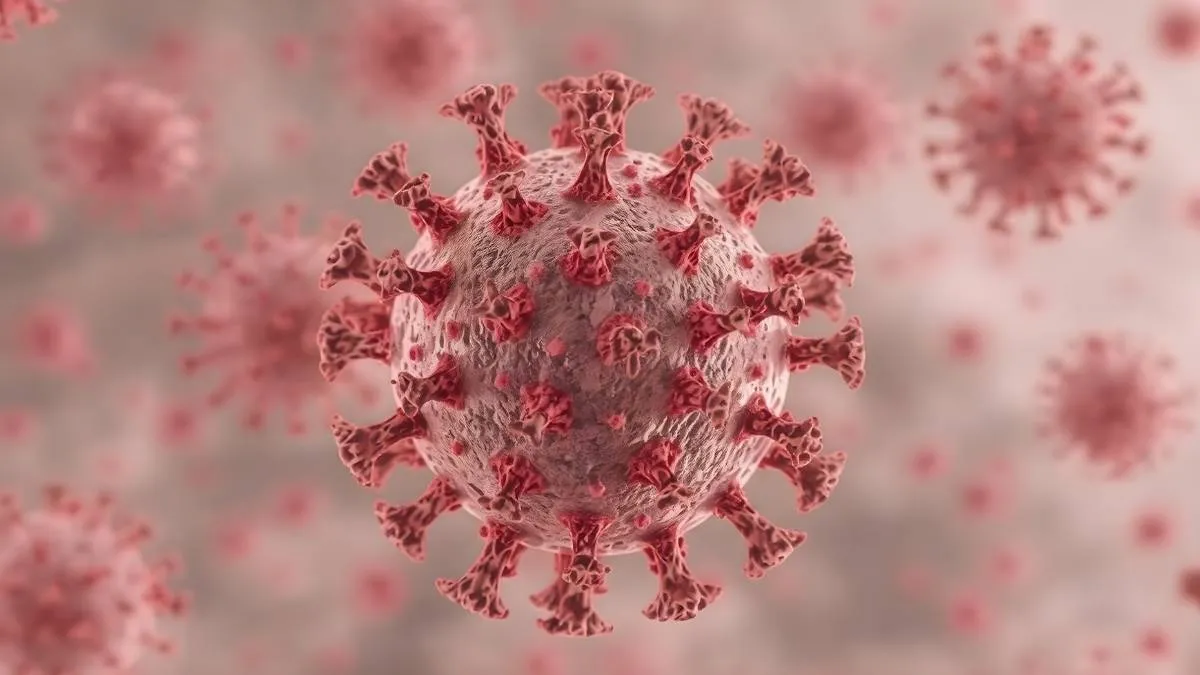
What is Shamonda virus? French health officials have confirmed the first-ever human fatality caused by the Shamonda virus in recent times. The uncommon disease was recorded in a hospitalised person suffering from leukemia in his sixties on October 22nd.
The patient exhibited neurological complications such as vision problems, confused mental state, and coma. The SHAV-EU1 strain was found after post-mortem genome sequencing carried out in Lyon.
WHO Director-General Tedros Adhanom Ghebreyesus stated that there is direct coordination between health institutions globally and French authorities regarding the origin of the disease.
This unusual human case marks a shift for a virus previously restricted to livestock.
What is Shamonda Virus?
Shamonda virus is an insect borne pathogen in the Orthobunyavirus genus and Simbu serogroup. It was first isolated in Nigeria in 1965. Shamonda virus mainly infects cattle, sheep, goats, and horses.
How does a Shamonda Virus Spread?
Transmission occurs through bites by the Culicoides midge. It is a small blood-sucking insect that is prevalent in warm conditions.
There have been no cases where the virus has been transmitted directly from an animal to humans.
| Key Aspect | About Shamonda Virus |
| Primary Host | Cattle, sheep, goats, alpacas, and horses |
| Transmission Vector | Biting Culicoides midges |
| Human Risk | Very low for the general public; isolated to severely immunocompromised individuals |
Shamonda Virus Symptoms and Livestock Outbreaks in Europe
One human infection has been reported up to this point in time. So there is no common set of symptoms among humans yet. But the French individual was having serious problems with his central nervous system.
In animals, European outbreaks across Germany, Switzerland, and France have caused:
-
High fever and lethargy
-
Severe diarrhoea
-
Sharp drops in milk production on dairy farms
-
Stillbirths, spontaneous abortions, and congenital deformities in offspring
What are Public Health Assessment and Prevention?
WOAH and ECDC are keeping an eye on the situation. The health authorities point out that there is no wider threat to the general population at this moment. No human-to-human transmission indicates that the occurrence of widespread outbreaks is still unlikely.
No commercial vaccines or antivirals exist for Shamonda virus. Vector control through the use of fine screens and repellents is the most effective approach to preventing midge bites in herds. Tests are being conducted in order to detect vector activity in Europe.

Harshita Singh is an education and general knowledge journalist with over 5 years of experience in educational writing. Specializing in US affairs and GK, Harshita has a track record of breaking down intricate geopolitical and historical subjects into clear, digestible insights for learners. Her strong background in text analysis, coupled with a Bachelor of Arts (Hons) in English from the University of Delhi, helps her produce authoritative, thoroughly researched content that empowers readers to engage confidently with global current affairs. For inquiries or academic insights, you can reach out to her directly at harshita.singh@jagrannewmedia.com.