What is Cinnamon Called in Hindi?
Discover what Cinnamon is called in Hindi, its regional names, benefits, origin, uses in Indian cooking, and interesting facts about Dalchini. Learn how this spice is widely used in chai, biryani, Ayurveda, sweets, and traditional Indian home remedies every day.
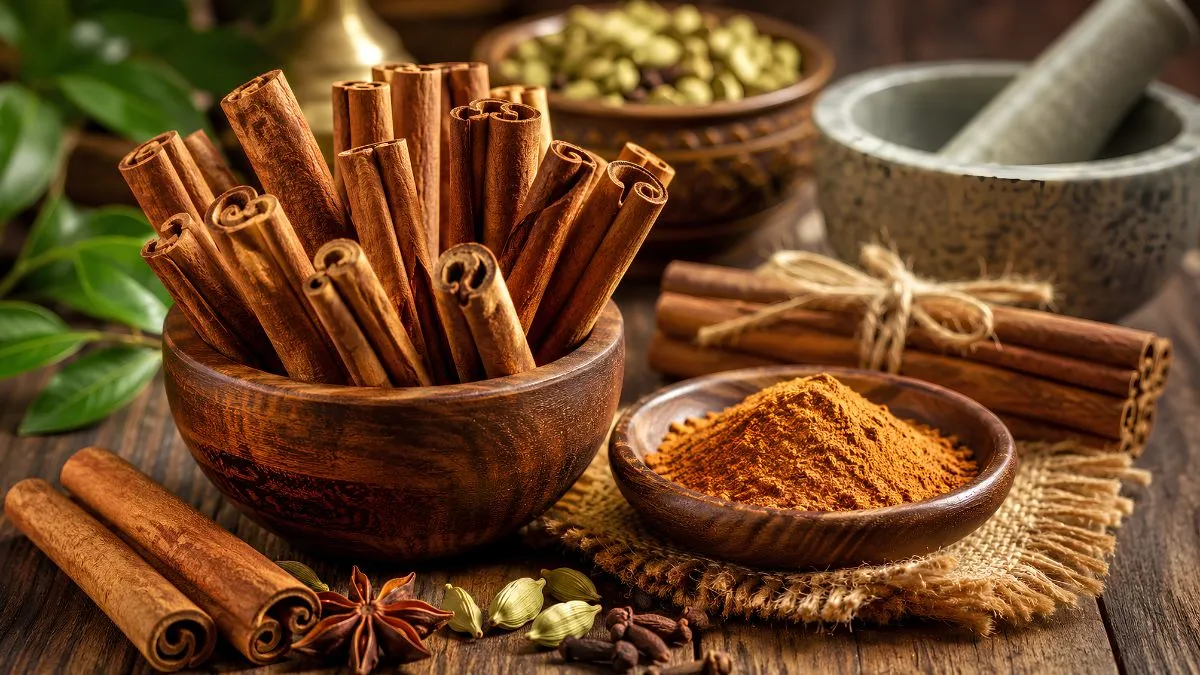
If you have ever cooked a cup of Masala Chai or made a curry with seasoning vegetable, you have used Cinnamon, but without knowing its Hindi name. This spice can be seen in most of the Indian kitchens. This spice is used in dal, biryani, pulao, sweets and even home remedies. However, very few people are aware of the name of cinnamon in Hindi and its benefits. So, What is Cinnamon Called in Hindi? So, let’s explore and see what we call Cinnamon in Hindi.
What is Cinnamon Called in Hindi?
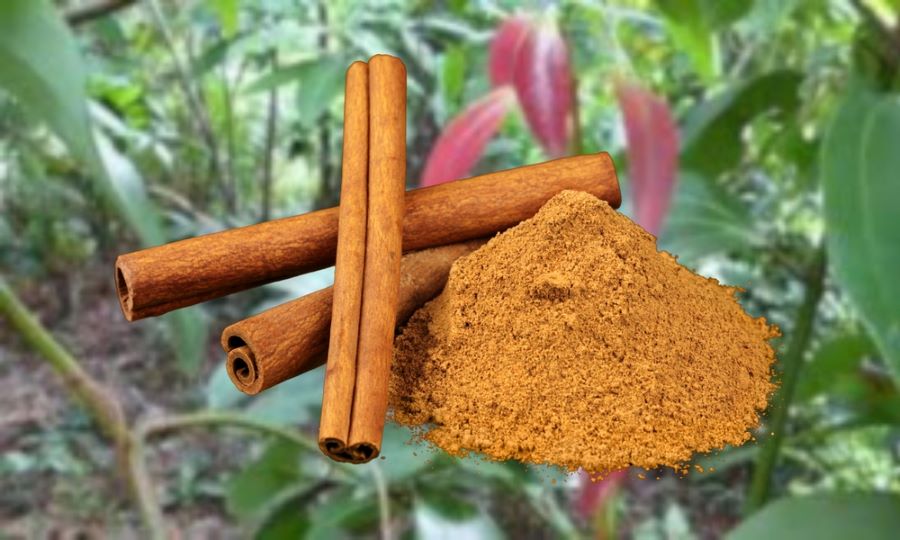
Cinnamon is called Dalchini (दालचीनी) in Hindi. This thin, brown, rolled-up spice you put in your kitchen is Dalchini. It is derived from the bark of a tree. The outer bark is removed and dried, and the tree takes on the shape of a stick. This stick is Cinnamon or Dalchini in Hindi.
Source: shutterstock
In different Indian languages, cinnamon is also known by other names:
-
Hindi: Dalchini (दालचीनी)
-
Sanskrit: Tvak (त्वक)
-
Tamil: Pattai
-
Telugu: Dalchina Chekka
-
Marathi: Dalchini
-
Bengali: Daruchini
Thus, no matter what state of India one is from, Dalchini is a spice with which one has a great familiarity.
Also Read: What is Elaichi Called in English?
Production of Cinnamon (Dalchini)
Cinnamon (Dalchini) is a very common spice, and it is native to Sri Lanka and the Malabar coast of India. Besides India and Sri Lanka, the production of Cinnamon is seen other regions also like the Seychelles Island, Java, Indonesia, and China.
In India, the Cinnamon is growing in the Naga hills in Assam, the coastal districts of South Karnataka and the Western Ghats.
The biggest Cinnamon Estate in the world is the Randathara Estate of Auyarakandy near Telicherry in Kerala, with an area of 85 hectares.
What Does Dalchini Look Like?
Dalchini looks like a thin brown roll or stick. It has a sweet and warm smell. You can find it in two forms in the market:
-
Dalchini sticks (sabut dalchini) - the whole rolled bark
-
Dalchini powder (pisi hui dalchini) - the ground form
Both forms are used in Indian cooking. The stick form is mostly used in rice dishes and curries, while the powder form is used in sweets and tea.
Also Read: What is Called Jeera in English?
Interesting Facts About Cinnamon (Dalchini)
Here are some simple facts about Dalchini that most people do not know:
-
Dalchini is an ancient spice. It's been around for thousands of years in Asia, particularly in India and Sri Lanka.
-
India is one of the top producers and users of cinnamon in the world.
-
There are mainly two types of cinnamon: Ceylon cinnamon (true cinnamon, from Sri Lanka) and Cassia cinnamon (the most common type found in Indian markets). Most Indian homes use the Cassia type.
-
The Dalchini has always been a part of Ayurvedic medicine for centuries. Tvak (dalchini) is mentioned as a useful herb in the ancient books of Ayurveda, such as Charaka Samhita.
-
Dalchini was one of the most valuable spice trade items in ancient times. It was more valuable than gold at one time in history, and traders from the Arab world would transport cinnamon to Europe.
Cinnamon in Hindi is called Dalchini (दालचीनी). It is a simple spice which is available in every Indian home. Dalchini is a significant spice in Indian gastronomy and health practices, ranging from biryani to chai, from Ayurvedic kadha to garam masala. Once you know the Hindi name of cinnamon, you can confidently use this spice in the kitchen. For more such articles, visit Jagran Josh regularly!
Prabhat Mishra is a Subject Matter Expert and digital journalist with an extensive background in the competitive exam landscape and over 4 years of experience in education, national and international news, and current affairs. Over his tenure with top knowledge platforms like Mentorship India, IAS BABA, IAS SARTHI, and now Jagran Josh, he has a deep understanding of government exams like UPSC and State PCS, including UP and Bihar, as he has already qualified for the UPPCS 2022 Mains and Bihar 68th Mains. With his core expertise in history, polity, geography & current affairs, he specialises in creating well-researched, aspirant-centric content and simplifying complex topics for competitive examinations.