France’s 143-Year-Old Limoges Town Hall: History, Architecture and Interesting Facts
France’s 143-year-old Limoges Town Hall, inaugurated in 1883, is known for its historic architecture, decorative mosaics and famous porcelain fountain. Explore its history and key facts.
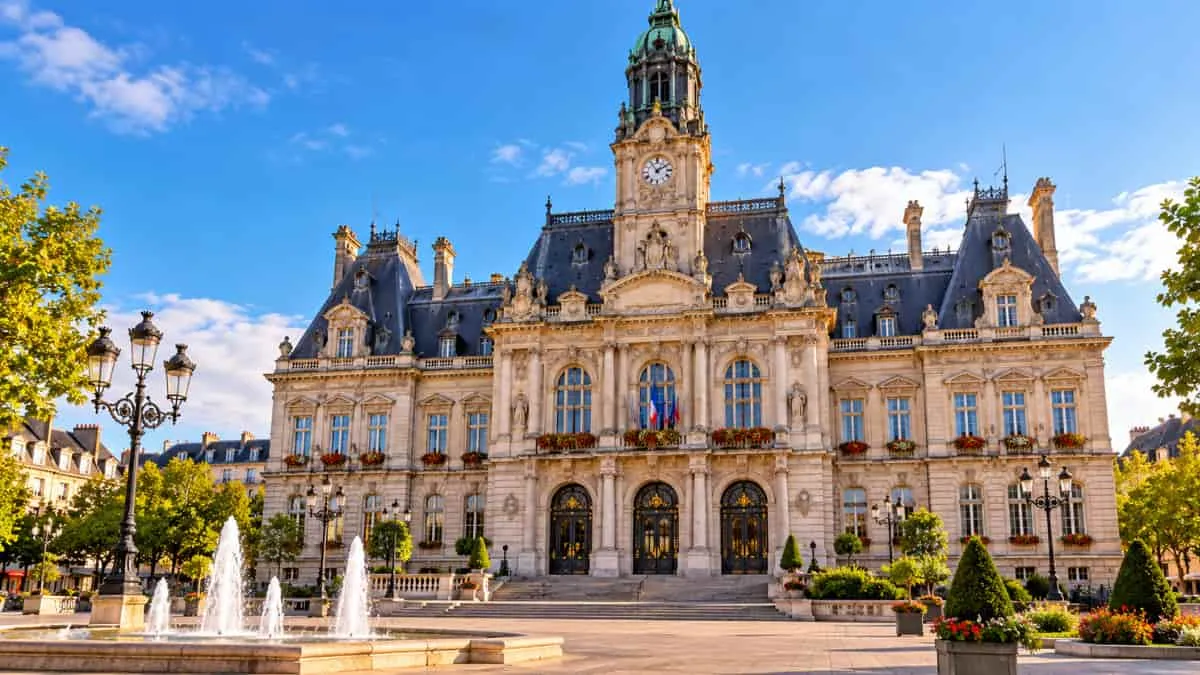
France is the largest country in the Western Europe, which connects the northern and southern regions of the continent.
It is one of the oldest nations on Earth, and it is home to many historic buildings,and among such buildings, there was France's 143-Year-Old Limoges Town Hall, which was inaugurated in 1883.
This building was known for its beautiful architecture, decorative mosaics ,and its connection with World War II and history of the local government of France.
Recently, on 17th October, 2026, the town hall was deliberately targeted and set on fire. The incident caused serious damage to a building that had served the city's administration for generations.
This France’s 143-Year-Old Limoges Town Hall reflects the history of Limoges, which is a French city.
Let’s explore its history, architecture features, its famous fountain, & the significance of Limoges Town Hall in detail because this town has significant representation as the symbols of local administration and the French Republic.
Limoges Town Hall: Key Facts
Here are some important facts about the historic building.
| Particulars | Details |
| Name | Limoges Town Hall |
| Location | Limoges, France |
| Inauguration year | 1883 |
| Construction began | 1879 |
| Architect | Alfred Leclerc |
| Tower height | Approximately 43 metres |
| Fountain installed | 1893 |
| Major extension | 1966 |
| Main purpose | Municipal administration |
When Was Limoges Town Hall Built?
The town hall of Limoges started to be built in 1879 and was finished in 1883. It was opened in 1883, when Louis Casimir Ranson was mayor of Limoges.
The decision to build a new town hall building was made to accommodate the expanding administrative needs of the city, given the inadequacy of the previous municipal building.
The project was funded by the bequest of Alfred Fournier, who died in 1875, leaving his money to the city. This contribution enabled the municipality to build a larger and more outstanding public building.
It was the French architect, Alfred Leclerc, to design the new Town Hall. The building was designed to be used by the local administration and to also be a symbol of the advancement and pride of the city.
What Is the Historical Importance of Limoges Town Hall?
The history of Limoges goes back much further than the construction of the town hall.
The current location of the building is related to the forum of the historical Roman city. A forum was a public area where citizens met for administrative, political and social affairs.
In the Middle Ages, Limoges was an area of several centres of power. The local rulers and religious authorities were also significant in the administration of the city. In time, town authorities emerged and civic affairs became the responsibility of the local authorities.
This continued with the building of the new town hall in the late 19th century. It offered more room for city business, and became a beacon of city government.
What Are the Architectural Features of Limoges Town Hall?
The Town Hall of Limoges is known for its impressive design and decorative details. Its architecture combines influences from different periods of French history.
Some of its most notable features are explained below.
1. A tall tower
A campanile, or tower, approximately 43 metres high rises from the building. The town hall has a distinctive appearance due to the tower and the roof of slate.
2. Granite and limestone construction
The lower portion of the building is constructed of granite and limestone is prominently featured on the main facade. The materials used for the building create a contrast in the building's appearance.
3. Four decorative mosaics
The main façade features four mosaic portraits of personalities connected with Limoges and French history.
They encompass artists like Leonard Limosin, enamel work; Chancellor d'Aguesseau, a statesman of the French Revolution; and Marshal Jean-Baptiste Jourdan.
4. Renaissance-inspired design
The windows, columns, balconies and decorative stonework reflect architectural influences from the Renaissance and other historical styles.
5. A U-shaped layout
The original building was designed in a U-shaped layout, with a main section and two side wings. An extension was added behind the original building in 1966.
Famous Fountain of the Town Hall Square
The decorative fountain, which was constructed to the town hall in 1893, is another famous attraction which was constructed outside of the Old Limoges Town Hall.
The fountain is constructed from Bronze and Porcelain. The materials bear testimony to Limoges' rich history of fine craftsmanship and decorative arts.
Four figures symbolizing drawing, painting, modelling and turning are included in the fountain. These skills are connected with the artistic processes used to create decorative objects.
Porcelain is one of Limoges's specialties, a craft that has brought the city renown. The fountain adds to the beauty of the town hall and highlights this cultural connection.
What Happened in Limoges During World War II?
Limoges plays an important role in the history of the Second World War.
In the region of Limousin during the Second World War, the whole area grew into a significant region in which the French Resistance was established. Occupied by resistance members who resisted its occupation and weakened the German control.
The city of Limoges was liberated on 21st August 1944. This event is still significant to the city's history.
The history of the town hall building should not be confused with the history of the city during the war. No official historical material has been consulted in this article that would prove the building was used by Belgium's government in exile in 1940 or was a Resistance base.
Likewise, any allegations that the town hall was recently burned during a protest should be backed up with an official statement to be considered as fact.
Why Is the Limoges Town Hall Fire Significant?
Even after more than 140 years, the town hall remains an important public building in Limoges. It continues to serve as the seat of the city's municipal administration.
Its historical importance also makes it part of the city's cultural heritage. The building reflects the development of local government, the architectural tastes of 19th-century France and the artistic traditions for which Limoges is famous.
The City of Limoges also organises heritage activities that help visitors understand the building's history, architecture and role in public life.
For visitors, the town hall offers a glimpse into how France's local institutions developed and how public buildings were designed to represent the values of their time.
Interesting Facts About Limoges Town Hall
| Fact | Details |
| Country | France |
| City | Limoges |
| Inaugurated | 1883 |
| Construction began | 1879 |
| Architect | Alfred Leclerc |
| Tower height | Approximately 43 metres |
| Fountain installed | 1893 |
| Fountain materials | Bronze and porcelain |
| Extension added | 1966 |
| Major recent incident | Fire on October 17, 2026 |
| Public-service impact | Physical access to the town hall was unavailable after the fire |
Conclusion
The Town Hall of Limoges is an important historic landmark in France. It was inaugurated in 1883 and is a reflection of the evolution of local government, the architecture of the 19th century and the art of Limoges.
The building is a testament to the pride and history of the city, from its tall tower to its decorative mosaics, and its bronze-and-porcelain fountain. It also serves as a reminder of the importance of preserving historic buildings for the future.

Prabhat Mishra is a Subject Matter Expert and digital journalist with an extensive background in the competitive exam landscape and over 4 years of experience in education, national and international news, and current affairs. Over his tenure with top knowledge platforms like Mentorship India, IAS BABA, IAS SARTHI, and now Jagran Josh, he has a deep understanding of government exams like UPSC and State PCS, including UP and Bihar, as he has already qualified for the UPPCS 2022 Mains and Bihar 68th Mains. With his core expertise in history, polity, geography & current affairs, he specialises in creating well-researched, aspirant-centric content and simplifying complex topics for competitive examinations.