Which Ocean Lies Between Africa and Australia?
The Indian Ocean lies between Africa and Australia. Discover everything about the world’s third largest and warmest ocean, including its location, features, depth, islands, trade routes, climate influence and biodiversity.
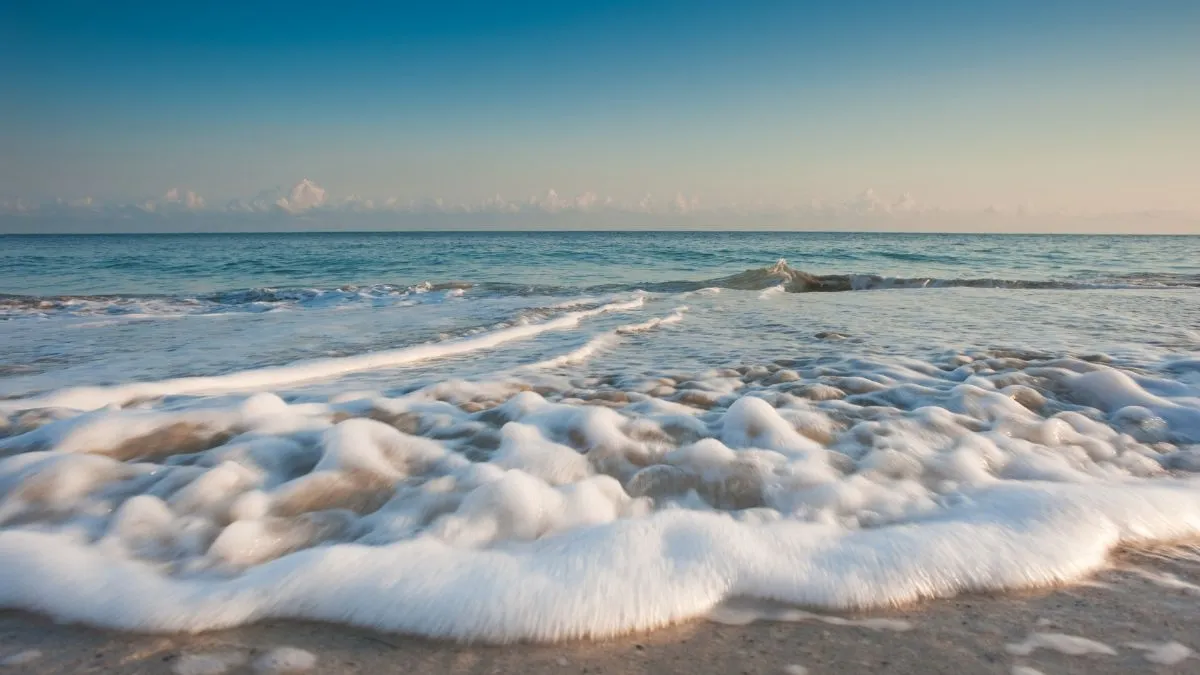
The Indian Ocean lies between Africa and Australia. It is the world’s third largest ocean and is known for warm waters, powerful monsoon winds, major international trade routes, deep oceanic trenches and rich tropical marine life. Stretching from the coast of eastern Africa to the western shores of Australia, this ocean plays a major role in shaping global weather, ocean currents, sea transport and tourism. Its position between Africa, Asia and Australia makes it one of the most important oceans on the planet for climate, culture and the world economy.
Third Largest Ocean in the World
The Indian Ocean is the third largest ocean on Earth, covering nearly 70 million square kilometres. Its huge size helps regulate global temperatures, influence monsoon systems and support diverse marine ecosystems. Because of its strategic location and warm waters, it carries a major share of global cargo, energy shipments and maritime travel, making it essential for international trade and worldwide connectivity.
Where Exactly Is the Indian Ocean Located?
The Indian Ocean lies between Africa to the west, Australia to the east and Asia to the north, while merging into the Southern Ocean in the south. This central position influences rainfall, climate patterns and sea routes across India, Sri Lanka, Indonesia, the Middle East, East Africa and Western Australia. Its location also makes it one of the most studied oceans for global climate change.

Why Is It Called the Indian Ocean?
The ocean is named after India because of the country’s long coastline and ancient maritime influence. India served as a major hub for spice trading, silk routes, cultural exchange and navigation. Merchants from Arabia, Africa and Southeast Asia historically travelled through these waters for Indian goods, giving the ocean its name due to India’s economic and cultural importance.
Countries That Border the Indian Ocean
More than 30 countries border the Indian Ocean, including India, Australia, South Africa, Kenya, Tanzania, Sri Lanka, Indonesia, Oman, Yemen and Maldives. These nations rely heavily on the ocean for shipping lanes, fishing industries, coastal tourism, naval operations and port activities. The ocean supports coral reefs, beaches, mangroves and tropical climates that attract millions of visitors every year.
Deepest Point in the Indian Ocean
The deepest point of the Indian Ocean is the Java Trench, also called the Sunda Trench, reaching over 7 km. It lies near Indonesia and is known for strong tectonic activity and unique deep-sea ecosystems.

Largest Island in the Indian Ocean
Madagascar is the largest island in the Indian Ocean. It is famous for lemurs, baobab trees, rare plants and wildlife found nowhere else, making it a globally important biodiversity hotspot.
Warmest Ocean in the World
The Indian Ocean is the warmest ocean, with high temperatures that shape monsoons, cyclone patterns and climate variations across Asia and Africa. Its warm currents also support rich coral formations and tropical species.
Indian Ocean vs Pacific Ocean
The Pacific Ocean is larger and deeper, while the Indian Ocean is warmer and strongly influenced by monsoon winds. The Indian Ocean has a longer history of ancient sea trade and cultural exchange between Asia, Africa and the Middle East.
Interesting Facts about the Indian ocean
1. Important International Trade Routes
The Indian Ocean contains some of the busiest trade routes in the world. It handles the movement of crude oil, natural gas, minerals and manufactured goods between Africa, the Middle East and Asia. Key chokepoints like the Suez Canal, Strait of Hormuz and Strait of Malacca make it one of the most critical regions for global shipping, energy transport and the world economy.
2. Warmest Ocean on Earth
The Indian Ocean is the warmest ocean globally, with consistently high surface temperatures. These warm waters influence cyclones, monsoon rainfall and seasonal weather patterns across South Asia, East Africa and Western Australia. The warm environment also supports colorful coral reefs, tropical fish species and nutrient-rich waters that help coastal communities thrive.
3. Beautiful Island Nations
The Indian Ocean is surrounded by some of the world’s most beautiful island nations, including Maldives, Seychelles, Madagascar, Mauritius and Sri Lanka. These islands are known for crystal-clear waters, coral reefs, exotic wildlife and luxury tourism. Many of them depend on ocean-based industries such as fishing, diving, reef preservation and coastal travel.
4. Rich Marine Biodiversity
The ocean is home to dolphins, whales, sharks, sea turtles, manta rays and thousands of fish species. Its coral ecosystems support underwater forests, vibrant reefs and diverse marine habitats. Many coastal countries rely on this biodiversity for fishing, seafood exports, tourism and ecological protection.
5. Deep Sea Trenches
The Indian Ocean contains the Java Trench, one of the deepest oceanic trenches on Earth. It reaches more than 7,000 meters and is located near Indonesia in a tectonically active zone. Scientists study this trench to learn about underwater earthquakes, deep-sea marine life and plate tectonics.
Read more: Which Country Has the Most Mountains?
The Indian Ocean, located between Africa and Australia, is the world’s third largest and warmest ocean. Its massive size, ancient trade routes, rich marine biodiversity, deep trenches, warm currents and climate influence make it one of the most important oceans on Earth. Keep reading for more topics like this

Jasreet Kaur is a journalist with over 3 years of experience in digital media and news content creation. She specializes in covering Trending News, including major National and International developments, with a focus on delivering accurate, engaging, and reader-friendly stories. Prior to this, she worked with Zee News as a Content Writer, where she gained extensive experience in news reporting and content strategy. Driven by curiosity, credibility, and a passion for impactful journalism, Jasreet aims to contribute to informed public discourse while supporting positive growth in organizations, society, and the world.


-1792761794673_t.webp)


-1792757375069_t.webp)


.jpg)

![[OUT] UPSSSC PET Admit Card 2026 LIVE: यूपी पीईटी एडमिट कार्ड जारी, upsssc.gov.in पर Direct Link](https://img.jagranjosh.com/images/2026/October/15102026/UPSSSC-PET-Admit-Card-2026.jpg)