Quote of the Day by William Shakespeare: “To be or not to be…”
Known as the Bard of Avon, William Shakespeare was the genius playwright who shaped English literature. Today's quote of the day by William Shakespeare dives into deep decisions. Read the quote of the day meaning, about William Shakespeare’s life, and why is it relevant today.
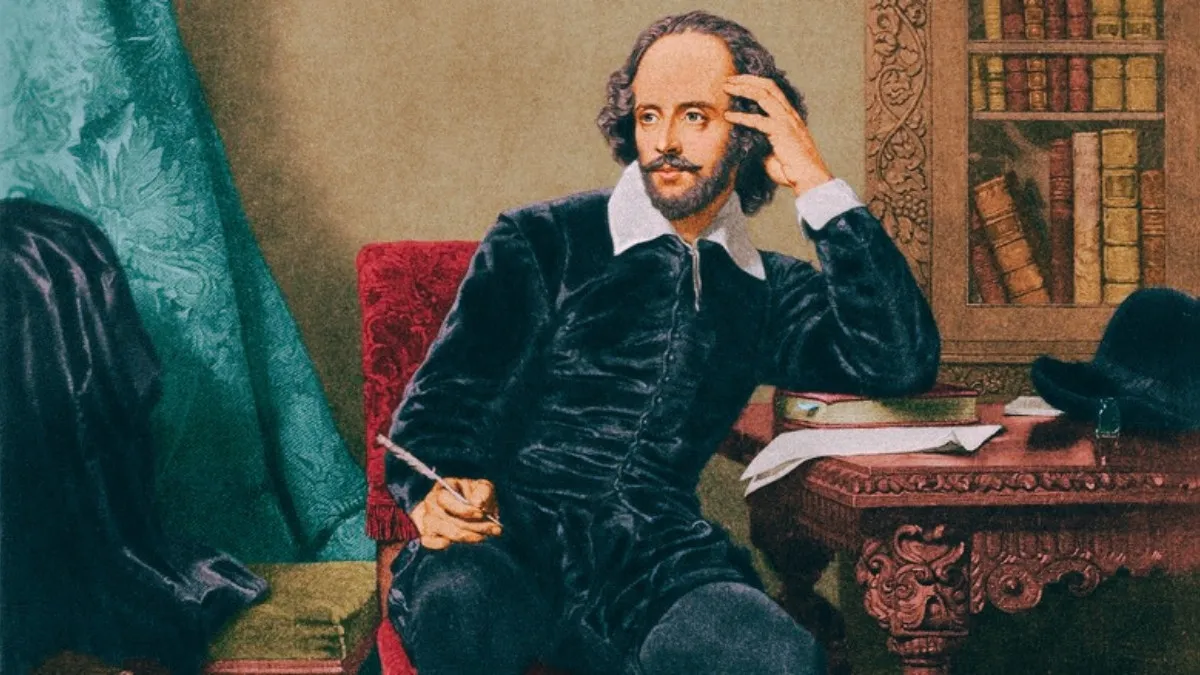
Today’s quote of the day is by William Shakespeare, a renowned playwright and poet of the Renaissance era.
Shakespeare was the best English writer of his time who was known as the Bard of Avon. He wrote 39 plays and 154 sonnets in the late 16th century and early 17th century.
The quote of the day by William Shakespeare starts with: “To be, or not to be...” A quote of the day spotlights wisdom to inspire your morning reflections.
In this article, read the quote of the day meaning, about William Shakespeare’s life, and why is it relevant today.
Quote of the Day by William Shakespeare: “To be, or not to be, that is the question.”
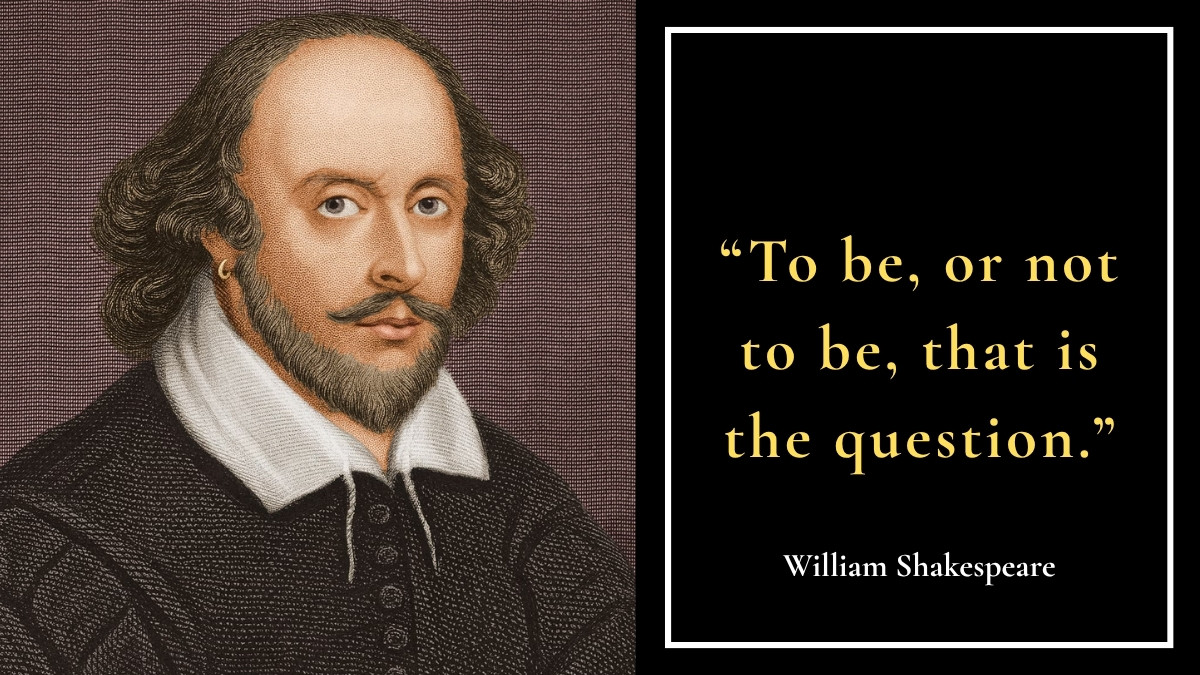
Meaning of the Quote of the Day by William Shakespeare
This Quote of the Day by William Shakespeare appears in Shakespeare's tragedy Hamlet, written around 1600.
In simple terms, this William Shakespeare quote meaning boils down to life's toughest choice: keep going or give up? Hamlet ponders if enduring pain is better than ending it all.
It highlights a mindset of deep self-reflection. You face daily decisions that test your will to persist through hardship.
-
Existence means facing suffering, like loss or failure.
-
The "question" urges honest thought before acting.
-
It values courage over escape.
Why is This Quote of the Day by William Shakespeare Relevant Today?
This quote of the day by William Shakespeare fits our fast-paced world of stress, burnout, and big changes like job losses or global uncertainty.
Imagine feeling stuck in a toxic relationship—do you stay and fight, or walk away? That raw emotional pull mirrors Hamlet's doubt, helping us pause and choose wisely.
Solve this GK Quiz on William Shakespeare.
Other Famous and Inspirational William Shakespeare Quotes
These William Shakespeare quotes echo themes of fate, love, and resolve, enriching the quote of the day meaning in under 30 words.
-
"All the world's a stage, and all the men and women merely players."
-
"This above all: to thine own self be true."
-
"The course of true love never did run smooth."
-
"What's done cannot be undone."
-
"Love all, trust a few, do wrong to none."
Who Is William Shakespeare?
William Shakespeare was born in Stratford-upon-Avon, England, in 1564. He was the son of a glove maker and a school teacher.
Shakespeare worked as an actor and dramatist in London and became a member of Lord Chamberlain’s Men acting troupe. He produced poetry and plays until he died in 1616.
What is William Shakespeare Known for?
William Shakespeare is known for changing drama and language through his creation of at least 1,700 common words such as "eyeball" and "swagger".
Some of his accomplishments include world-renowned works like "Romeo and Juliet," "Macbeth," and "Hamlet."
How did Shakespeare become famous? He possessed great insight into human emotions that brought universality to all his narratives.
Read Quote of the Day by Leonardo da Vinci here.
In conclusion, the quote of the day by William Shakespeare, "To be, or not to be, that is the question" shows the idea behind the choice between existence in the midst of suffering. We need to take time to think about whether we endure or give up.

Alisha Louis is a US content specialist with over 3 years of experience in journalism and storytelling. A graduate with a Bachelor’s degree in Journalism and Mass Communication (BJMC), Alisha has focused her career on covering trending news and major educational developments across the United States. Her sharp eye for detail, combined with a strong journalistic point of view, helps her break down complex American educational topics into accessible, engaging narratives for a global audience. Dedicated to delivering timely and trustworthy reporting, she brings a fresh and insightful perspective to the evolving US academic landscape.