Top 10 Countries That Allow Dual Citizenship
Explore 10 countries that allow dual citizenship, including the United States, Canada, the UK, Australia and Germany. Learn the rules, benefits and restrictions of holding two nationalities.
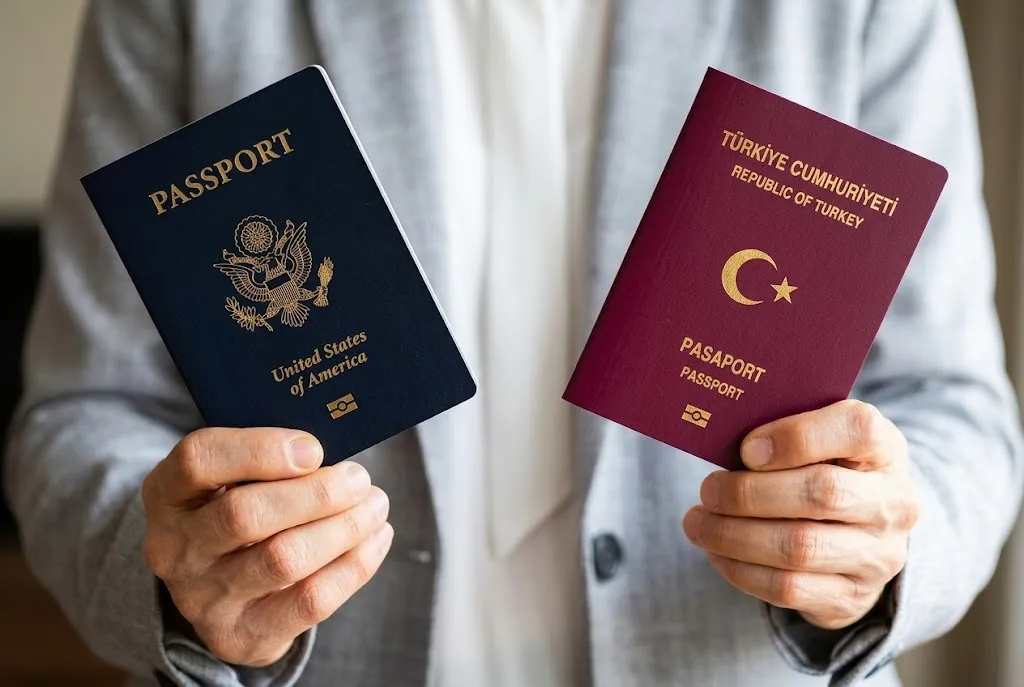
Dual citizenship is also known as dual nationality. It allows a person to hold citizenship of two countries at the same time. It can provide opportunities to live, work, study and access certain public services in both countries. But it all depends on their respective laws. Here are 10 countries that generally allow dual citizenship, along with important details about their rules.
Which Countries Allow Dual Citizenship?
The following countries generally permit their citizens to hold another nationality, subject to applicable laws and individual circumstances.
| No. | Country | Dual Citizenship Policy |
| 1 | United States | Permitted |
| 2 | Canada | Permitted |
| 3 | United Kingdom | Permitted |
| 4 | Australia | Permitted |
| 5 | New Zealand | Permitted |
| 6 | France | Permitted |
| 7 | Germany | Permitted under current nationality law |
| 8 | Ireland | Permitted |
| 9 | Italy | Permitted, subject to applicable rules |
| 10 | Portugal | Generally permitted |
1. United States
The United States allows dual citizenship. American citizens can generally acquire citizenship of another country without automatically losing their US citizenship. Dual citizens may have legal, tax or other obligations in both countries.
2. Canada
Canada permits dual and multiple citizenships. Canadian citizens do not generally have to give up their Canadian nationality when they acquire citizenship of another country. Canadian dual citizens generally need a valid Canadian passport to board a flight to Canada. Canada’s policy does not guarantee that every foreign national can keep their original citizenship after becoming Canadian.
3. United Kingdom
The United Kingdom allows dual citizenship, meaning British citizens can generally hold British nationality alongside citizenship of another country. British citizens who hold another nationality can also hold a British passport.
4. Australia
Australia allows dual citizenship. Australian citizens can generally obtain citizenship of another country while retaining their Australian nationality. Australian citizens should check the passport requirements that apply when entering or leaving Australia.
5. New Zealand
New Zealand generally permits dual and multiple citizenships. Holding more than one nationality may create responsibilities under the laws of both countries. The second country’s rules determine whether the other citizenship can be retained.
6. France
France permits dual and multiple citizenships. French citizens can generally hold French nationality alongside another country’s citizenship without being required to renounce French nationality. Citizens must comply with the relevant laws of the countries in which they live or travel.
7. Germany
Germany permits dual citizenship under its reformed nationality law, which came into effect on 27 June 2024. Germany’s nationality law was reformed to make multiple citizenship more widely possible. Individual eligibility and the other country’s laws still matter.
8. Ireland
Ireland permits dual citizenship. Irish citizens can generally hold Irish nationality alongside citizenship of another country. Passport and entry rules depend on the countries involved.
9. Italy
Italy generally permits dual citizenship, although the rules for acquiring Italian nationality depend on the individual’s circumstances and applicable legislation. Some people with Italian ancestry may qualify for citizenship, but eligibility is subject to specific legal requirements and restrictions.
10. Portugal
Portugal generally allows dual citizenship. Portuguese citizens can usually hold another nationality without being required to renounce Portuguese citizenship. The ability to retain other citizenships depends on the laws of the countries involved.
Does India Allow Dual Citizenship?
No. India does not permit dual citizenship. Under Indian citizenship law, an Indian citizen who voluntarily acquires the citizenship of another country generally ceases to be an Indian citizen.

Jasreet Kaur is a journalist with over 3 years of experience in digital media and news content creation. She specializes in covering Trending News, including major National and International developments, with a focus on delivering accurate, engaging, and reader-friendly stories. Prior to this, she worked with Zee News as a Content Writer, where she gained extensive experience in news reporting and content strategy. Driven by curiosity, credibility, and a passion for impactful journalism, Jasreet aims to contribute to informed public discourse while supporting positive growth in organizations, society, and the world.






-1792026923912_t.webp)

