Which Country has a Unicorn as its National Animal?
Discover which country has a unicorn as its national animal. The country in question stands unique as the sovereign nation that officially honors the mythical unicorn as its national symbol, a proud heraldic tradition dating back to the 12th century to signify untamed independence and royal power.
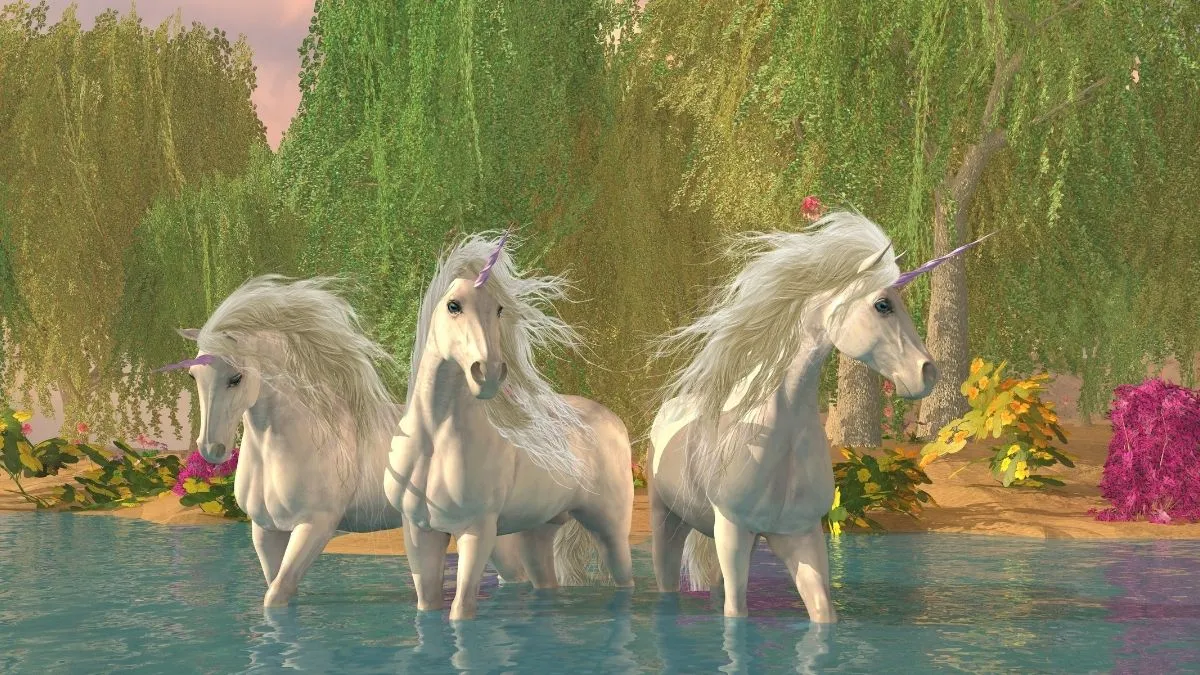
Flip through a global atlas, and a clear pattern emerges in how nations choose their wildlife ambassadors. The United States claims the bald eagle, India boasts the royal Bengal tiger, and Australia features the bounding kangaroo. But deep within the misty, castle-strewn landscapes of the United Kingdom, one sovereign territory completely broke the mold. Instead of a flesh-and-blood predator, this nation elected a creature straight out of ancient folklore.
Scotland’s national animal is the mythical unicorn. This legendary beast has been proudly stamped onto Scottish coins for centuries, carved into the stone of historic marketplace crosses, and raised high on royal banners. This single-horned stallion is far from a children’s fairytale prop. It’s a mixture of ancient Celtic mythology, bitter royal rivalries, and a stubborn refusal to ever be truly conquered.
Which Country has the Unicorn as its National Animal?
Scotland is the country that claims the unicorn as its national animal. Most sovereign states look to native wildlife to symbolize their geography, but Scottish identity is inextricably bound to Celtic folklore, which regards the unicorn as a mythical creature of immense spiritual power.
The unicorn was the national animal design of the ancient Celtic culture. It stood for innocence and purity, as well as a fierce, untamable masculinity. This strange mix of elegance and brute force struck a powerful note with the Scottish people, who thought of themselves as naturally independent, honorable, and fiercely resistant to foreign control.
When did the Unicorn become the National Animal of Scotland?
The unicorn’s journey into Scotland's national animal status began in the 12th century, when King William I (often known as William the Lion and the conqueror of England) first introduced the mythological beast to the Scottish Royal Coat of Arms.
According to the National Trust for Scotland, its official prominence soared during the 15th century under the reign of King James III, when gold coins called unicorns and half-unicorns entered official circulation.
By the mid-16th century, the Scottish royal crest was proudly supported by two majestic, upright unicorns. This arrangement continued until 1603, when King James VI of Scotland inherited the English throne and changed the heraldry to one Scottish unicorn and one English lion, in the Union of the Crowns.
Why is the National Animal of Scotland a Unicorn?
Choosing to pay homage to a mythical beast depends on historical symbolism and geopolitical competition. Bestiaries of the medieval period frequently showed the unicorn as the one creature that could overcome the lion, the national animal of England. The unicorn was chosen by Scottish monarchs to communicate their strength against their powerful southern neighbours.
Furthermore, historical records from Historic UK point out that heraldic Scottish unicorns are always depicted wrapped in golden chains. Because ancient folklore dictated that a unicorn was completely untamable, the golden chains around its body symbolised the absolute power of Scottish kings, asserting that only a true, noble monarch possessed the divine authority to handle such an invincible force.
What was Scotland’s National Animal before the Unicorn?
Before the unicorn took full prominence on the royal stage, Scotland’s primary emblem was the Lion Rampant. The early heraldic representation of the Scottish monarchy was a fierce, rearing red lion on a golden background, introduced heavily by King William I in the late 1100s.
The lion was still a key royal banner, but the unicorn was consciously raised to run alongside it, and eventually became the defining icon of the country in the public mind. Unlike England, which kept the lion as its only symbol, Scotland saddled the mystical beast to ensure that its national identity would remain unique, poetic, and altogether unforgettable on the world stage.
While a one-horned horse might seem like an unexpected choice for a modern country, Scotland's mythical national symbol remains a spectacular tribute to its enduring spirit. The chained yet undefeated stallion perfectly mirrors a land shaped by proud history, rich folklore, and a defiant love for absolute freedom.

Harshita Singh is an education and general knowledge journalist with over 5 years of experience in educational writing. Specializing in US affairs and GK, Harshita has a track record of breaking down intricate geopolitical and historical subjects into clear, digestible insights for learners. Her strong background in text analysis, coupled with a Bachelor of Arts (Hons) in English from the University of Delhi, helps her produce authoritative, thoroughly researched content that empowers readers to engage confidently with global current affairs. For inquiries or academic insights, you can reach out to her directly at harshita.singh@jagrannewmedia.com.