NTA Revises Rashtriya Military School CET 2026 Class 9 Social Science Syllabus, Check New Topics
The National Testing Agency (NTA) has revised the Social Science syllabus for Class 9 Rashtriya Military Schools Common Entrance Test (RMS CET) 2026. The updated syllabus includes topics related to Indian history, geography, democracy, economics and cultural heritage. The changes apply specifically to the Class 9 Social Science examination, while other subjects and examination instructions remain unchanged.
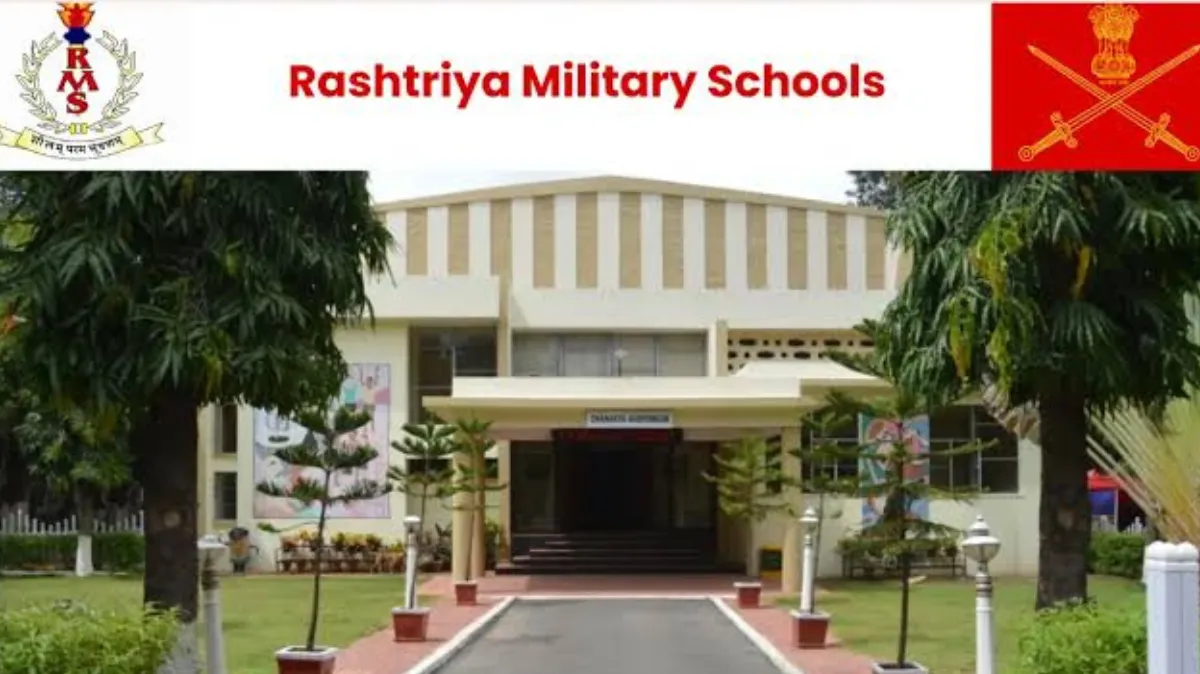
The National Testing Agency (NTA) has revised the Social Science syllabus for students appearing in the Class 9 Rashtriya Military Schools Common Entrance Test (RMS CET) 2026. The agency has issued a corrigendum detailing the changes and updated topics that candidates will need to cover while preparing for the entrance examination.
The revision is specifically applicable to the Class 9 Social Science paper. Students preparing for the examination should refer to the updated syllabus instead of relying entirely on the earlier version. The revised syllabus is available on the official NTA website, exams.nta.nic.in/rmscet.
The updated syllabus covers topics from history, geography, civics, economics and India’s cultural heritage. It is organised into two parts under the textbook Exploring Society: India and Beyond.
RMS CET 2026: What Has Changed in the Class 9 Social Science Syllabus?
The revised syllabus includes several topics covering India’s historical developments, political system, natural resources, population and cultural heritage. Candidates can check the updated topics below.
Part 1: Exploring Society: India and Beyond
| Section | Topics |
|---|---|
| India and the World: Land and the People | Natural Resources and Their Use |
| Tapestry of the Past | Reshaping India’s Political Map, The Rise of the Marathas, The Colonial Era in India |
| Democracy and Governance | Universal Franchise and India’s Electoral System, The Parliamentary System: Legislature and Executive |
| Economic Life Around Us | Factors of Production |
Part 2: Exploring Society: India and Beyond
| Section | Topics |
|---|---|
| India and the World: Land and the People | World Geography: Some Glimpses |
| Tapestry of the Past | India’s Long Road to Independence |
| Democracy and Governance | Citizenship: Rights and Duties, The Role of the Judiciary in Our Society |
| Economic Life Around Us | Cultural Currents: 13th to 17th Centuries, India’s Urban Landscape, Dynamics of Population |
| Our Cultural Heritage and Knowledge Traditions | A Journey Through Indian Architecture |
RMS CET 2026: What Should Class 9 Aspirants Note?
The syllabus revision is limited to Social Science for the Class 9 RMS entrance examination. Candidates appearing for other classes or subjects should note that the corrigendum does not announce any changes to their syllabus.
The NTA has also clarified that the other terms, instructions and provisions mentioned in its earlier public notice will remain unchanged. Students should therefore continue following the existing examination guidelines while preparing according to the revised Social Science topics.
Candidates can visit the official RMS CET portal at exams.nta.nic.in/rmscet to access the revised syllabus and the latest examination-related announcements.

Sahil Behl is an education journalist at Jagran with over a year of experience in journalism. Prior to joining Jagran, he worked as a Sub-Editor in NDTV’s Education department, where he was responsible for writing and editing education-related content as well as managing the department’s social media presence. At Jagran, he covers a wide range of education topics, including board examinations, school updates, admissions, and job notifications, while leveraging his editorial expertise and strong understanding of digital content strategy. Sahil holds a Bachelor’s degree in Business Administration and has also completed an eight-month certification program in Data Science. Passionate about emerging technologies, particularly artificial intelligence, he closely tracks their growing role in journalism and explores how they are transforming shaping the future of the media industry.


