Indonesia Palm Oil Policy 2027: Will New Export Rules And B50 Biodiesel Mandate Make Edible Oil Costlier In India?
Indonesia is set to overhaul its palm oil export policy from January 2027, introducing state-controlled exports, new service fees and a 50% biodiesel blending mandate. Here's what the changes mean for India's palm oil imports, global supplies and edible oil prices.
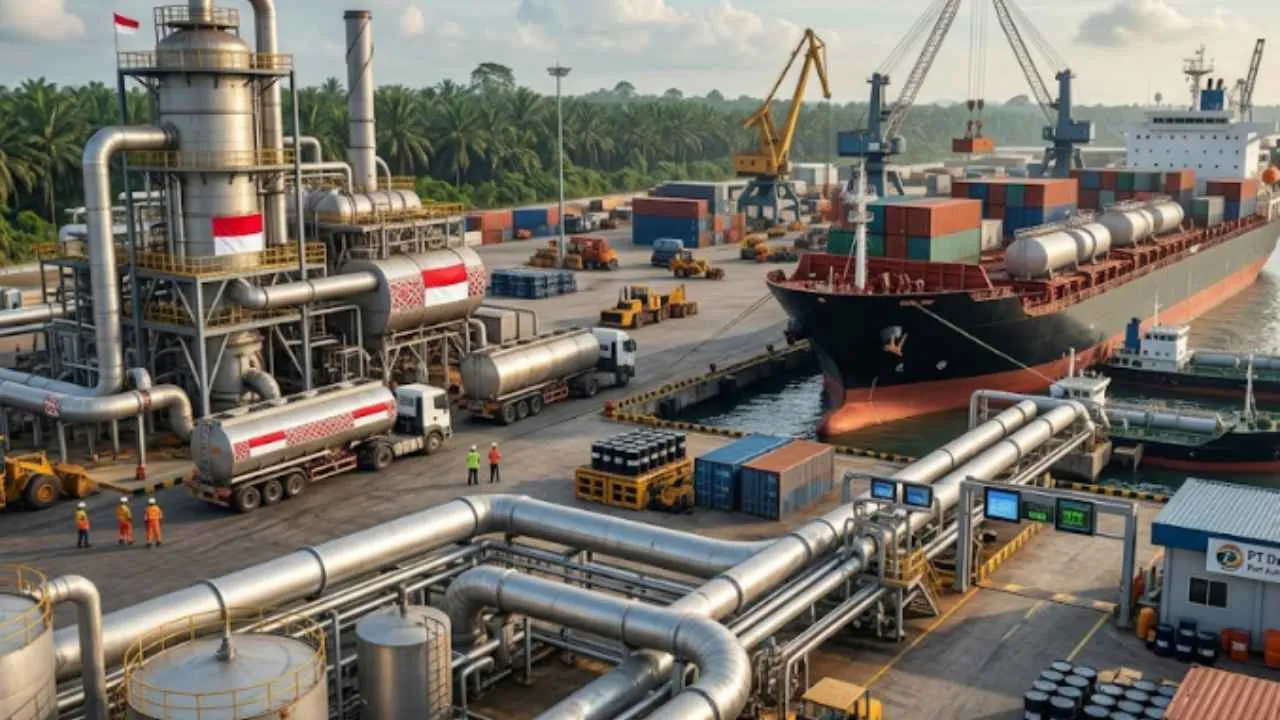
Indonesia, India's largest palm oil supplier, is gearing up for a major overhaul of its palm oil export policy from January 1, 2027. The proposed changes include bringing exports under state control, introducing new export service fees and raising domestic consumption through a 50% biodiesel blending mandate.
With more palm oil potentially being diverted towards domestic energy requirements, global supplies could come under pressure, pushing prices higher and creating fresh challenges for Indian edible oil importers.
Indonesia is also introducing new commodity pricing benchmarks and tightening sustainability regulations. These developments come amid concerns over shrinking exportable supplies, weather-related production risks and India's growing efforts to diversify its edible oil sources.
What Are the Latest Changes in Indonesia's Palm Oil Policy?
Indonesia's proposed policy overhaul includes several major changes that could reshape international palm oil trade. Here are the key developments:
1. Centralised Palm Oil Exports From January 2027
Indonesia plans to introduce a centralised palm oil export system from January 1, 2027, under Trade Ministerial Regulation (Permendag) No. 16/2026. The move will bring exports of crude palm oil (CPO), refined products, used cooking oil and palm residues under designated state-owned enterprises holding valid export permits.
2. Role of PT Danantara Sumberdaya Indonesia (DSI)
PT Danantara Sumberdaya Indonesia (DSI), a subsidiary of Indonesia's sovereign wealth fund, will oversee palm oil export contracts and customs documentation. The government aims to strengthen transparency, prevent tax leakages and curb under-invoicing through greater state supervision of international palm oil shipments.
3. New Export Service Fee
Indonesia will introduce a new export service fee for palm oil shipments from January 2027. Announced by DSI leadership at the Indonesian Palm Oil Conference on November 13, 2026, the fee will be a single-digit dollar amount per tonne. The final rate is expected to be announced in December.
4. Domestic Market Obligation (DMO) Rules
Indonesia's existing Domestic Market Obligation (DMO) requirements will remain in place under the revised export framework. Exporters must fulfil their domestic supply quotas or formally transfer their private export rights to designated state-owned enterprises to obtain the necessary export clearance.
5. Expansion of the B50 Biodiesel Mandate
Indonesia launched its B50 biodiesel mandate in July 2026, increasing the mandatory palm-based biodiesel blending requirement from 40% to 50%. Full implementation across the supply chain is targeted for early 2027 as the country looks to strengthen energy security and reduce its dependence on imported fossil fuels.
6. Expansion Into Alternative Biofuels
Beyond the B50 mandate, Indonesia is exploring additional uses for palm oil in its domestic energy sector. These include sustainable aviation fuel and biological compressed natural gas. The broader initiative aims to expand renewable energy consumption, reduce fossil fuel imports and increase domestic demand for palm oil.
7. New Palm Oil Pricing Benchmark
Indonesia plans to launch the Strategic Minerals and Commodities Exchange (BMKS) in January 2027. The proposed exchange aims to establish a domestic Indonesia Reference Price for palm oil, potentially reducing the country's dependence on international pricing benchmarks, including those from Malaysia and Rotterdam.
8. Digital Sustainability Certification
On November 12, 2026, Indonesia announced upgrades to its Indonesian Sustainable Palm Oil (ISPO) certification framework. The revised system will incorporate digital supply-chain tracking to improve transparency and traceability while addressing international concerns over deforestation, environmental protection and sustainable palm oil production.
How Will Indonesia's Palm Oil Policy Impact India?
| Key Factor | Potential Impact on India |
| Tighter Global Supplies | Higher domestic biodiesel consumption could reduce Indonesia's exportable palm oil surplus, tightening global supplies. |
| Rising Import Costs | New export service fees and reduced availability could push up international prices and India's procurement costs. |
| El Niño Risks | Drought conditions could affect palm oil production and further constrain supplies in 2027. |
| Alternative Suppliers | SEA is exploring Colombia as an alternative sourcing destination to reduce dependence on Southeast Asia. |
| Supply Diversification | India may accelerate domestic oil palm cultivation and diversify imports to strengthen supply-chain security. |
India-Indonesia Palm Oil Trade: A History of Cooperation and Disputes
India and Indonesia have shared a long-standing palm oil trade relationship, marked by strong commercial ties and occasional trade disputes.
Indonesia has historically supplied nearly half of India's annual palm oil imports, making it a key partner in the country's edible oil market.
Historically, the relationship has not always been smooth. In 2019, differences over import duties on Malaysian and Indonesian refined palm oil affected trade competitiveness.
Indonesia's temporary export ban in April 2022 further disrupted supplies and raised concerns among Indian importers. Despite these challenges, both countries continued strengthening cooperation, signing a three-year industry agreement in July 2025.

Aishwarya Samant is a journalist with over 4 years of experience navigating the fast-paced corporate media landscape. She specializes in decoding business news, world economy, personal finance, and stock market trends, often adding a subtle touch of political perspective to keep things interesting.
Having worked with reputed organizations like ZEE, TV9, News24, and NewsX, she is no stranger to the newsroom hustle and the demands of real-time storytelling. Her writing style is fast-paced, engaging, and crafted to connect seamlessly with diverse audiences across platforms. She approaches every story from the reader’s point of view, breaking down complex topics into clear, relatable narratives backed by solid facts and credible sources. While she’s confident in expressing strong viewpoints, she ensures balance with insights. Sharp, fact-driven content that informs, engages, and keeps readers coming back for more.