Which Mountain Range Is Known as the Water Tower of Asia?
Which mountain range is known as the Water Tower of Asia? Discover why the Himalayas hold this title, their glacier systems, river networks, role in agriculture, climate influence, population dependence and interesting facts in this article.

Key Points
- Himalayas store the largest non-polar ice reserve, feeding major Asian rivers.
- Rivers originating in the Himalayas support agriculture and billions of people.
- Glacial melt regulates river flow, ensuring water during dry seasons.
Water is the backbone of life, agriculture, and civilisation. Across Asia, freshwater availability depends heavily on one vast mountain system that stores ice, feeds rivers and sustains billions of people. Because of this unmatched role, one mountain range is globally recognised as the Water Tower of Asia.
Water Tower of Asia
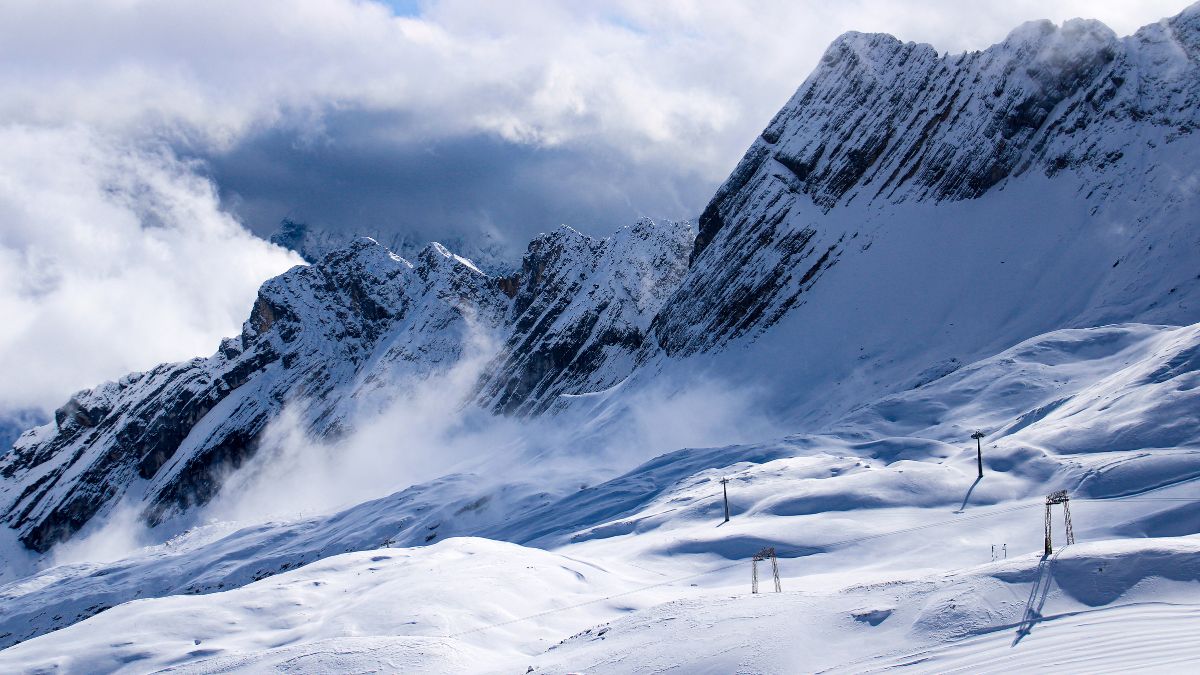
The Himalayas are known as the Water Tower of Asia. This massive mountain range contains the largest concentration of glaciers and permanent snow outside the polar regions. These frozen reserves act as natural water storage systems that release freshwater gradually into rivers throughout the year.
Why Are the Himalayas Called the Water Tower of Asia?
The Himalayas are called the Water Tower of Asia because they function like a giant natural reservoir. Snowfall and glaciers accumulate water over long periods and release it steadily through glacial melt, ensuring a continuous water supply even during dry seasons when rainfall is scarce.
Major Rivers Originating from the Himalayas
Many of Asia’s most important rivers originate from the Himalayan region. These include the Indus, Ganga, Yamuna, Brahmaputra, Mekong, Salween, and Irrawaddy. These rivers provide drinking water, irrigation, and hydroelectric power across South Asia, East Asia, and Southeast Asia.
Role of Himalayan Glaciers
Himalayan glaciers act as long-term water banks. During summer months, controlled melting supplies water to rivers, preventing sudden shortages. This slow release helps stabilise river flow, reduces drought risk, and supports ecosystems downstream.
Importance for Agriculture and Food Security
River systems fed by the Himalayas irrigate some of the most fertile agricultural regions in the world. The Indo-Gangetic Plain, one of the largest food-producing regions globally, depends heavily on Himalayan water for crops such as rice, wheat, sugarcane, and pulses.
Impact on Climate and Rainfall
The Himalayas influence Asia’s climate by interacting with monsoon winds. They block cold Central Asian winds and force moisture-laden monsoon winds to rise, resulting in rainfall and snowfall. This cycle continuously replenishes glaciers and river systems.
Interesting Facts About the Water Tower of Asia
Largest Non-Polar Ice Reserve
The Himalayas contain the largest reserve of ice and snow outside the Arctic and Antarctic regions. Thousands of glaciers store freshwater accumulated over centuries, making the region Asia’s most important long-term water source.
Lifeline of Asian Civilisations
Ancient civilisations flourished along rivers fed by the Himalayas. From the Indus Valley to the Gangetic plains, Himalayan water has supported human settlement, agriculture, and cultural development for thousands of years.
Natural Seasonal Water Regulator
Himalayan glaciers regulate river flow by releasing meltwater gradually. This natural regulation ensures water availability during dry seasons and reduces extreme fluctuations between floods and droughts.
Multi-Nation Water Provider
Water from the Himalayas flows through several countries including India, China, Nepal, Bhutan, Pakistan, Bangladesh, Myanmar, and parts of Southeast Asia. This makes the Himalayas geopolitically significant for regional water security.
Highly Sensitive to Climate Change
Himalayan glaciers are extremely sensitive to rising temperatures. Accelerated melting threatens long-term water availability, making glacier conservation critical for Asia’s environmental and economic future.
Read more: Which Mountain Is Called the Third Pole?
The Himalayas are known as the Water Tower of Asia because they store vast freshwater reserves in glaciers and snowfields and supply water to Asia’s major rivers. Keep reading for more such topics.

Jasreet Kaur is a journalist with over 3 years of experience in digital media and news content creation. She specializes in covering Trending News, including major National and International developments, with a focus on delivering accurate, engaging, and reader-friendly stories. Prior to this, she worked with Zee News as a Content Writer, where she gained extensive experience in news reporting and content strategy. Driven by curiosity, credibility, and a passion for impactful journalism, Jasreet aims to contribute to informed public discourse while supporting positive growth in organizations, society, and the world.