Which Place is known as the Peru of India?
Do you know which place is known as the 'Peru of India'? This place is a small hill station located in the Kangra Valley of Himachal Pradesh. It was named using the combination of 3 words: Pani, Alam & Pur, meaning "lots of water" in local parlance. Can you take a guess? If not, let's discover this unique wonder.
Key Points
- Palampur, in Himachal Pradesh, is called the 'Peru of India'.
- Its landscape resembles the Andes due to elevation and terraced fields.
- Palampur's tea gardens date back to the 19th century.
India is packed with hidden gems and stunning scenery. You can wander the golden deserts of Rajasthan or the green forests in the Northeast; there’s always something new to discover.
India is so diverse that some of its places are compared to famous spots around the world. Maybe you’ve heard of the "Switzerland of India" or the "Paris of India". But did you know there’s also a place called the Peru of India?
In this article, we’ll find out which place has earned this nickname, why people compare it to Peru, and what you can see if you visit.
ALSO READ: Which Place is known as the London of India?
Where is Peru Located? Why is it Famous?
Source: National Geographic Kids
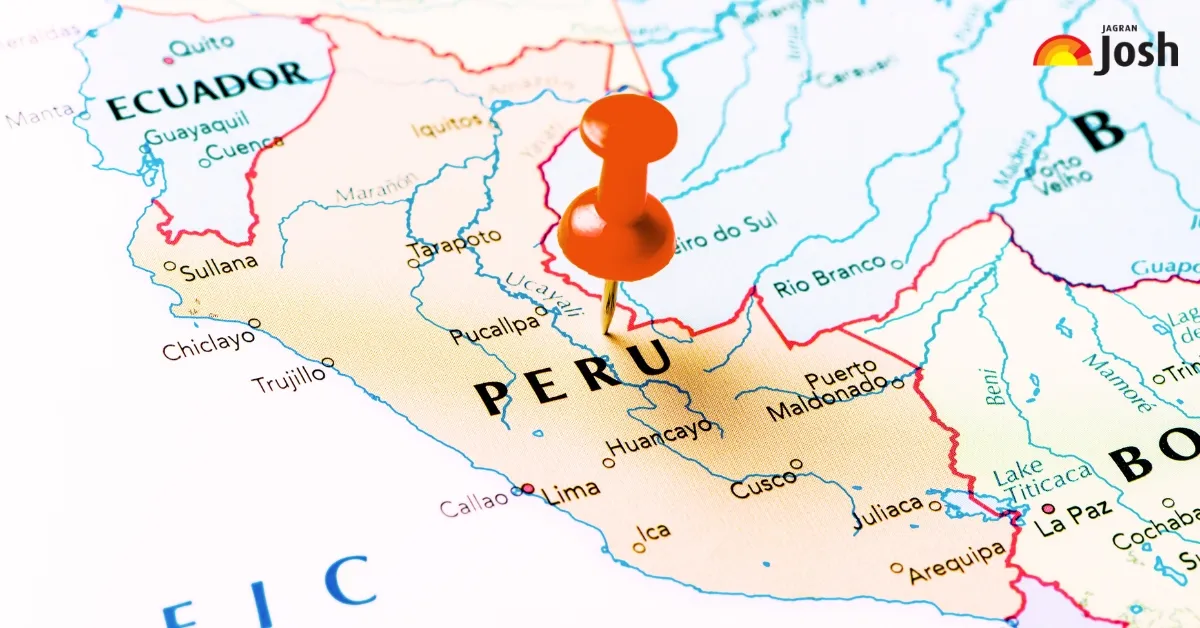
Peru is a lively country on the central west coast of South America. It shares borders with Ecuador, Colombia, Brazil, Bolivia, and Chile, and the Pacific Ocean lies to the west.
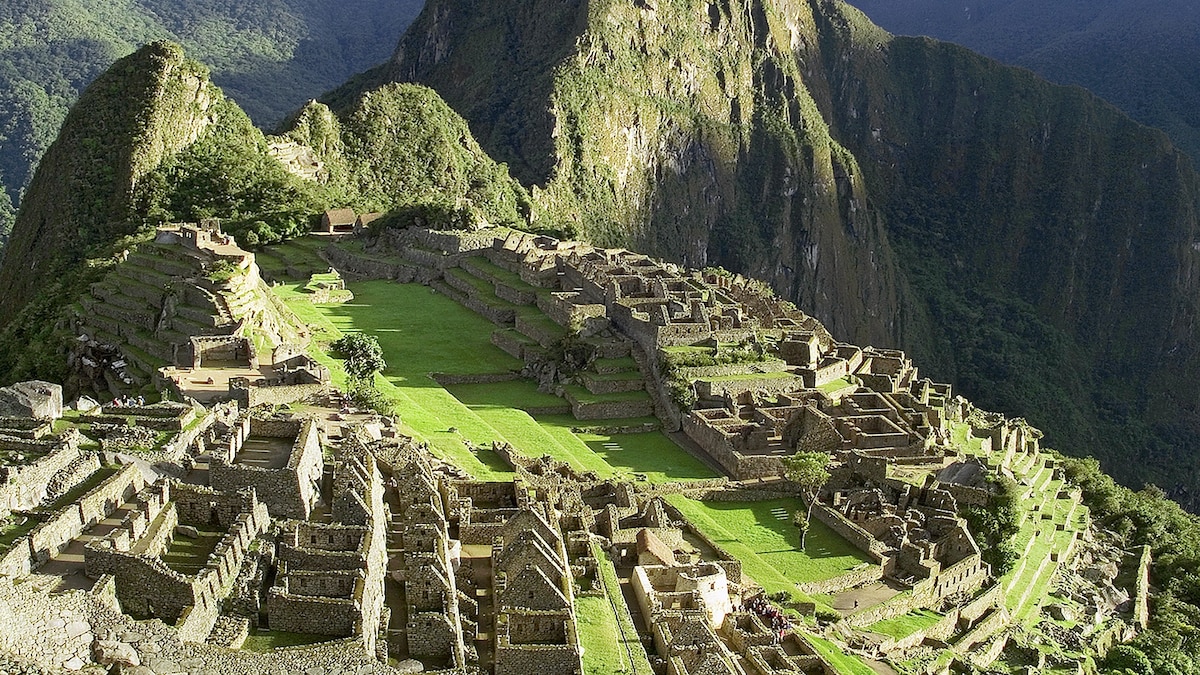
The country is known for its Inca heritage, especially the ancient Machu Picchu, a UNESCO World Heritage site in the Andes. Other well-known sites are the Nazca Lines and the floating Uros Islands on Lake Titicaca.
Peru also stands out for its varied landscapes, from dry coastal deserts to the lush Amazon rainforest, and for its famous food and drinks like ceviche and Pisco Sour.
Which Place is known as the Peru of India?

Palampur is a peaceful hill station in the Kangra Valley of Himachal Pradesh, often called the Peru of India. The town sits among the snow-capped Dhauladhar mountains, and its terraced fields look a lot like the Andes in Peru.
Palampur is also known as the "Tea Capital of Northwest India" because of its large tea gardens that date back to the 19th century.
What makes the city special are its many streams and "kuhls", or traditional irrigation channels, that bring water from the mountains right through town.
7+ Interesting Facts about Palampur
- Palampur's high altitude and dense pine forests keep its oxygen levels exceptionally crisp, with air so clean that lichens, sensitive to pollution, thrive there.
- The town uses Kuhls, a centuries-old gravity-based system, to irrigate with glacial meltwater, requiring no electricity.
- "Himalayan Soil," rich in minerals from metamorphic rocks, gives Palampur tea a unique high-antioxidant profile.
- Geologically, Palampur sits near the Main Boundary Thrust, featuring "mandi" granite and sandstone shaped by tectonic plate collisions.
- A natural "Mountain-Valley Breeze" cycle acts as a large-scale air conditioner, with warm air rising during the day and cold air sinking at night.
- The region is home to the Monal pheasant, whose iridescent feathers display structural colouration, meaning their colours come from light reflection, not just pigments.
IN CASE YOU MISSED: Which Place is known as the 'Land of Clouds' in India?
Why is Palampur called the Peru of India?

The name "Palampur" came from the word "Pulum", which means "abundant water". The town has more natural mountain streams per square kilometre than most other hill stations in Himachal. This is similar to the glacial valleys of Peru, which are also rich in water.
Additionally, people often call Palampur the "Peru of India" because its landscape and climate are a lot like the high-altitude Andes in South America.
Palampur: The "Peru of India"
This nickname comes from three main factors: elevation, agriculture, and the "Dhauladhar Effect".
1. The High-Altitude Landscape
Just as Peru is known for the Andes, in a similar way, Palampur is shaped by the Dhauladhar Range. The snow-covered peaks rise sharply from the green valley, much like the mountains near Cusco or Machu Picchu in Peru.
2. Terraced Greenery
Peru is known for its ancient Incan agricultural terraces. In Palampur, you can see a modern version in the sloping tea gardens. From afar, the green layers of the tea estates look much like the historic stepped farms in the Peruvian highlands.
3. The Climate and Air Quality
Both regions have a temperate highland climate. In Palampur, the air is especially pure and thin because it sits at 1,220 metres above sea level. Scientists say that the light and UV clarity at this height make the landscape look sharp and vivid, which is unusual in the plains but common in the high Andes.
In a Nutshell: Palampur vs. Peru
While Palampur is smaller and more accessible, its "soul" matches the Peruvian highlands perfectly.
| Feature | Palampur (India) | Peruvian Highlands (Peru) |
| Mountain Range | Dhauladhar (Himalayas) | The Andes |
| Primary Vegetation | Tea Gardens & Pine Forests | Quinoa, Potatoes & Alpine Grass |
| Unique Feature | Gravity-fed "Kuhls" (Water channels) | Incan Stone Aqueducts |
| Atmosphere | Crisp, low-pollution, "Lichen-rich" air | Rarefied, high-altitude thin air |
| Visual Vibe | Terraced tea slopes | Terraced stone ruins & farms |
Conclusion
Palampur is often called the "Peru of India" not only for its beauty but also because it reflects the rugged, high-altitude feel of the Andes in South America. With its snowy peaks, winding streams, and endless terraced fields, Palampur closely resembles the land of the Incas. Unlike other busy hill stations, Palampur offers a peaceful and grand landscape.
WHAT'S NEXT: Which Place Is Known As The Budapest Of India?

Kriti Barua is a skilled digital journalist and communications professional with 4+ years of experience, currently writing for the General Knowledge section at Jagran New Media. She has established herself as a subject matter expert in History, Geography, Trending National and International News, Sports, Science, and Defence, producing clear, reliable, and search-optimised content that connects with readers worldwide.
Kriti holds a BA degree from Delhi University and a one-year diploma in TV Production and Journalism, an academic background that adds research depth and strong storytelling instincts to her writing. Her experience spans brand writing, content marketing, and digital media, giving her a sharp understanding of what makes content both helpful to readers and visible in search.
At Jagran New Media, she applies this expertise to national and international news coverage, query-based articles, and in-depth pieces across her specialist subject areas. Her content is defined by easy language, factual accuracy, strong keyword strategy, and reader-friendly storytelling.