Which River Is Known As The Lifeline Of Afghanistan?
Do you know which river is known as the lifeline of Afghanistan? This crucial river supports over 20 million people and powers the nation's capital. This vital waterway flows through the heart of the Hindu Kush. Let’s discover the history and importance of Afghanistan's most essential natural resource.

Afghanistan is a Central Asian country known for its rugged mountains and beautiful, vital rivers. The country has five main river basins. The Helmand River is the longest, stretching about 715 miles. Other well-known rivers are the Amu Darya, which marks the northern border, and the deep Panj River. More than 80% of Afghanistan’s water comes from snow melting in the Hindu Kush mountains. Can you guess which river is called the lifeblood of Afghanistan? In this article, we’ll explore the history, geography, and importance of this key river.
ALSO READ| Which River Is Known As The Lifeline Of Israel?
Which River is known as the Lifeline of Afghanistan?

Source: Dialogue Earth
The Kabul River is often called the "Lifeline of Afghanistan". It starts in the Sanglakh Range of the Hindu Kush mountains and flows east through provinces such as Maidan Wardak, Kabul, Nangarhar, and Laghman.
The river supplies drinking and irrigation water to the capital and nearby farmland. After travelling about 435 miles, it enters Pakistan and joins the Indus River at Attock. The Kabul River supports millions of people and is crucial for the country's economy. Without it, life in the central and eastern valleys would be very difficult.
5 Lesser-Known Facts About the Kabul River
- In the Rigveda, the river was referred to as the Kubha.
- It is one of the few rivers in the region that flows out of Afghanistan into a neighbouring country.
- For centuries, the river valley served as a primary route for trade and invaders moving between Central Asia and India.
- Unlike rivers that rely only on rain, its water levels are mostly maintained by melting glaciers and seasonal snowpack.
- The river basin is home to several unique fish species and provides critical habitat for migratory birds.
Where Is the Kabul River Located?
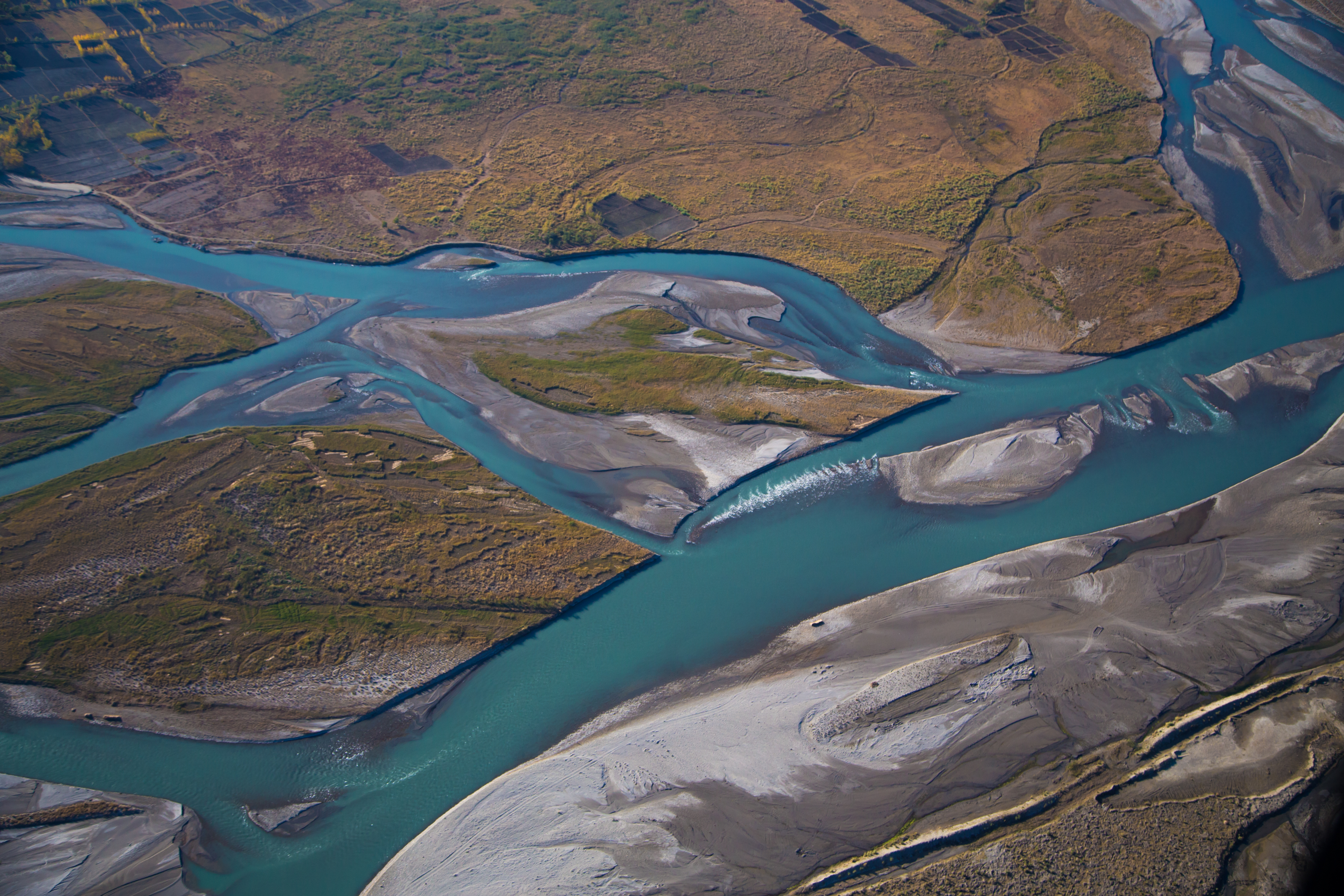
The Kabul River flows through eastern Afghanistan and northwestern Pakistan. It emerges from the Sanglakh Range of the Hindu Kush mountains, specifically at the Unai Pass. It serves as the primary drainage system for the eastern provinces of Afghanistan, then crosses the international border into Pakistan’s Khyber Pakhtunkhwa province, eventually meeting the Indus River.
IN CASE YOU MISSED| Which River Is Known As The Lifeline Of Iraq?
Which River Flows From Pakistan To Afghanistan?
The Kunar River is a major waterway that flows from Pakistan into Afghanistan. It begins as the Mastuj River, rising in the glaciers of Pakistan’s Chitral district. After crossing the border into Afghanistan’s Kunar Province, it joins the Kabul River near Jalalabad. It is one of the few rivers in the region to cross the border in this direction.
Does the Kabul River Flow Through India?

No, the Kabul River does not flow through India. Its entire course is contained within the borders of Afghanistan and Pakistan. While it is part of the larger Indus River Basin system, it merges with the Indus River in Pakistan, long after the Indus has left Indian-administered territory. It remains geographically separated from India by the rugged terrain of northern Pakistan.
Is the Kabul River a tributary of the Indus?
Yes, the Kabul River is a major right-bank tributary of the Indus River. It travels approximately 700 kilometres (435 miles) from its mountain source to its confluence. The two rivers meet near the historic city of Attock in Pakistan. At this junction, the Kabul River adds a significant volume of water to the Indus, especially during the spring snowmelt.
What are the Tributaries of the Kabul River?
The Kabul River has several important tributaries that feed its flow. The largest is the Kunar River, which provides nearly 60% of the total water volume. Other significant tributaries include the Panjshir, Logar, Surkhab, Alingar, and Bara rivers. These smaller streams collect water from various mountain valleys and glaciers across eastern Afghanistan before joining the main Kabul River channel.
WHAT'S NEXT| Which River Is Known As The Lifeline Of Indonesia?

Kriti Barua is a skilled digital journalist and communications professional with 4+ years of experience, currently writing for the General Knowledge section at Jagran New Media. She has established herself as a subject matter expert in History, Geography, Trending National and International News, Sports, Science, and Defence, producing clear, reliable, and search-optimised content that connects with readers worldwide.
Kriti holds a BA degree from Delhi University and a one-year diploma in TV Production and Journalism, an academic background that adds research depth and strong storytelling instincts to her writing. Her experience spans brand writing, content marketing, and digital media, giving her a sharp understanding of what makes content both helpful to readers and visible in search.
At Jagran New Media, she applies this expertise to national and international news coverage, query-based articles, and in-depth pieces across her specialist subject areas. Her content is defined by easy language, factual accuracy, strong keyword strategy, and reader-friendly storytelling.