12 Jyotirlingas of India: Locations and Significance
The 12 Jyotirlingas are revered Shiva temples spread across India, each with unique historical and architectural significance. These pilgrimage sites reflect India’s rich heritage and spiritual traditions. They serve as cultural landmarks, attracting devotees and travelers seeking a deeper understanding of the country’s religious and architectural legacy.
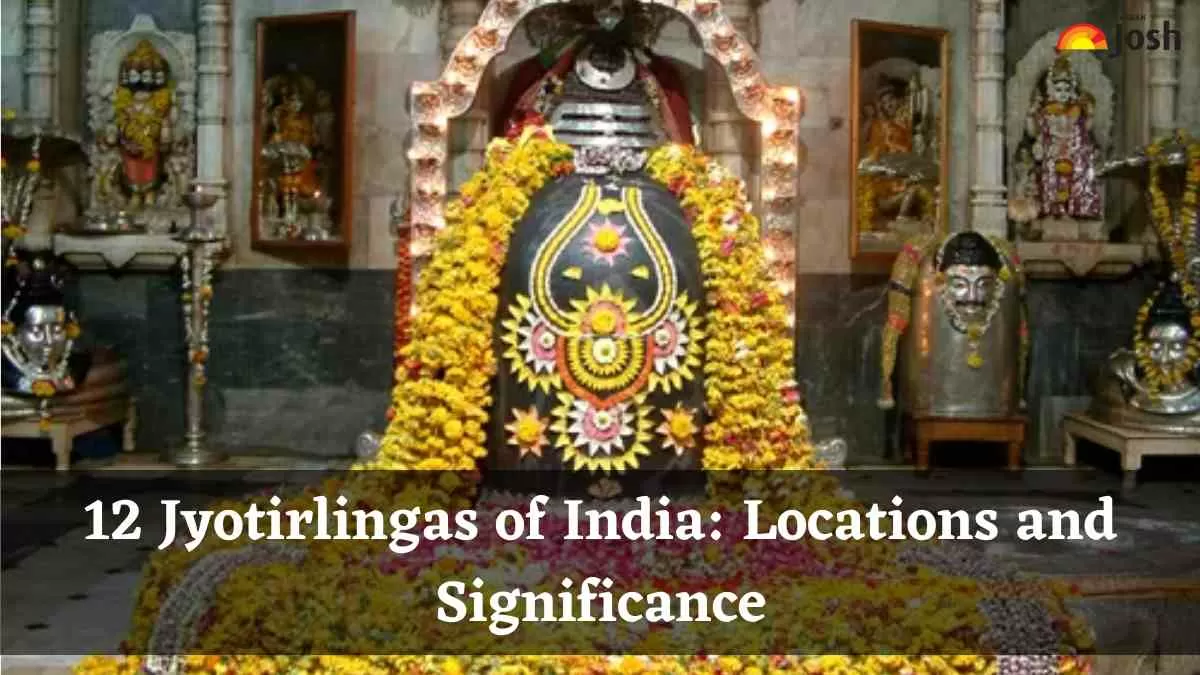
The 12 Jyotirlingas are sacred historical and cultural places in India, devoted to Lord Shiva. The temples are located in various parts of the nation and are famous for their architectural magnificence and historical significance. Each Jyotirlinga is distinctive and forms a significant part of Indian cultural heritage.
Historical and Cultural Significance
The Jyotirlingas are referred to in ancient literature and have been a pilgrimage site for centuries. They are significant not only due to their history but also because of their architecture, which demonstrates the skill of various periods.
Also Read | Famous Shiva Temples in India and Worldwide: Check All Details Here
Locations and Descriptions
Here is a list of the 12 Jyotirlingas and their locations:
| Jyotirlinga | Location | Description |
| Somnath | Gir, Gujarat | Known for its historical significance and architectural grandeur. |
| Mallikarjuna | Srisailam, Andhra Pradesh | Located on a mountain, this temple is a significant cultural site. |
| Mahakaleshwar | Ujjain, Madhya Pradesh | Features a unique architectural style and is one of the most visited sites. |
| Omkareshwar | Khandwa, Madhya Pradesh | Situated on an island in the Narmada River, known for its scenic surroundings. |
| Kedarnath | Rudraprayag, Uttarakhand | Located in the Himalayas, accessible only for part of the year. |
| Bhimashankar | Pune, Maharashtra | Situated in a forest, known for its natural beauty. |
| Kashi Vishwanath | Varanasi, Uttar Pradesh | One of the oldest and most culturally significant sites in India. |
| Trimbakeshwar | Nashik, Maharashtra | Associated with the origin of the Godavari River. |
| Vaidyanath | Deoghar, Jharkhand | Known for its historical importance and cultural festivals. |
| Nageshwar | Dwarka, Gujarat | Located near the coast, known for its architectural style. |
| Ramanathaswamy | Rameswaram, Tamil Nadu | The southernmost Jyotirlinga, known for its historical significance. |
| Grishneshwar | Aurangabad, Maharashtra | Located near the Ellora Caves, a UNESCO World Heritage site. |
Educational and Cultural Impact
These temples are important educational sites, offering insights into India's rich cultural and historical heritage. They attract visitors from around the world, providing a glimpse into the architectural and cultural diversity of India. Each Jyotirlinga has its unique festivals and cultural events, contributing to the vibrant cultural tapestry of India.
Also Read | Difference Monthly Shivratri and Mahashivratri
In conclusion, the 12 Jyotirlingas are significant cultural and historical landmarks in India, reflecting the country's diverse architectural styles and cultural traditions. They serve as important educational resources, providing valuable insights into India's rich heritage.

Kirti Sharma is a journalist in the education domain with three and a half years of experience creating high-quality content for the education technology (EdTech) and digital media industries. She has an expertise in covering education news. Kirti has experience in writing data backed informational pieces on General knowledge.
Kirti holds a Bachelor of Arts degree, which helped build her strong foundation in writing and research. Over the course of her career, she has brought her skills to a variety of well-known companies, including ThoughtPartners Global, Infinite Group, and MIM-Essay. Through these roles, she has learned how to take complex information and turn it into engaging, easy-to-understand content for readers online.




![NIOS Hall Ticket 2026 [OUT] LIVE: Download Class 10th, 12th October Theory Admit Card at sdmis.nios.ac.in, Direct link here](https://img.jagranjosh.com/images/2026/October/16102026/NIOS-Hall-Ticket-2026.jpg)
![[OUT] UPSSSC PET Admit Card 2026 LIVE: यूपी पीईटी एडमिट कार्ड जारी, upsssc.gov.in पर Direct Link](https://img.jagranjosh.com/images/2026/October/15102026/UPSSSC-PET-Admit-Card-2026.jpg)