Which is the Largest Source of Methane Emissions in the World?
What is the single biggest driver of methane emissions today? Discover the surprising sector responsible for 40% of global output and why tackling this specific source is the world's fastest way to cool the planet by 2030 and largest sources of methane production.
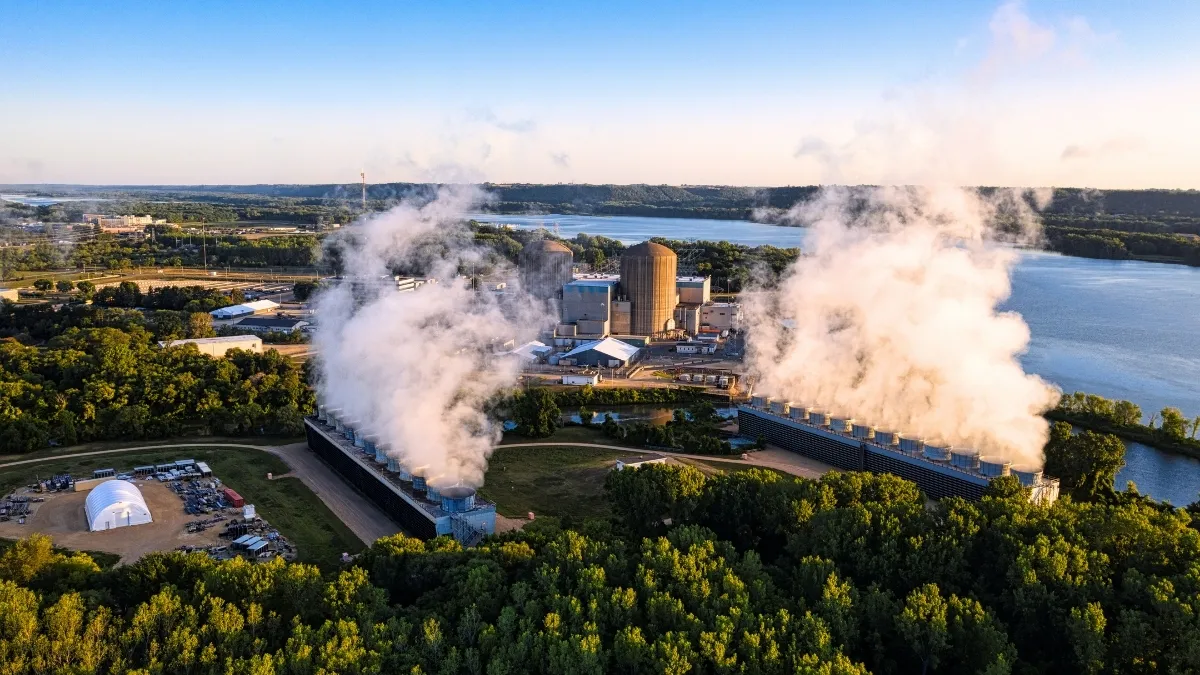
Methane is one of the most powerful greenhouse gases driving global warming today. Methane has a much higher heat-trapping capacity despite its relatively shorter lifespan which makes it a critical factor in accelerating climate change. From agriculture and energy production to waste management, multiple human activities contribute to rising methane levels across the globe.
Sources of methane emission are several sectors that release methane, one particular source stands out as the dominant contributor worldwide.
What is Methane and Why is it Important for Climate Change?
Methane (CH4) is a colorless, odorless gas that serves as the primary component of natural gas. Methane exists in much smaller quantities in our atmosphere than carbon dioxide. Scientists often consider Methane ‘super-pollutant’ because of its incredible heat-trapping efficiency.
Methane is more than 80 times more effective at trapping heat than CO2 over a 20-year period. It effectively thickens the atmospheric blanket at a much faster rate.
The "Fast Action" Lever which can linger for centuries, methane breaks down in about a decade which means that if we reduce emissions now, the atmosphere will respond almost immediately, making it our best chance to ‘shave the peak’ of global warming this century.
Which is the Largest Source of Methane Emissions in the World?
Largest source of Methane emissions in the world, global methane footprint belongs to a sector that is foundational to human civilization while energy production and waste management are significant, they are surpassed by the sheer scale of global food systems.
Agriculture is the undisputed leader which is responsible for roughly 40% of all methane released by human activity, dominance is a result of biological processes that have scaled alongside the global population, creating a massive atmospheric footprint.
Wetlands release vast amounts of methane however, the warming we see today is driven by the additional "anthropogenic" human-caused load from these three pillars.

Top Sources of Methane Emissions in the World (Sector-wise Breakdown)
To understand where the focus of climate policy lies in 2026, need to look at the three primary pillars of methane production. Each sector presents its own unique set of challenges and technological hurdles.
| Sector | Contribution | Primary Drivers |
| Agriculture | 40% | Livestock digestion and flooded rice cultivation. |
| Energy & Fossil Fuels | 35% | Methane venting in coal mines and leaks in gas pipelines. |
| Waste Management | 20% | Decomposing organic matter in massive urban landfills. |
Methane is considered as a super-pollutant which has 80 times the warming power of CO2 over a 20-year period. In 2026, agriculture will remain the dominant human-caused source, contributing roughly 40% of global emissions. This article breaks down the primary drivers from livestock to rice paddies and explores why methane reduction is the most critical lever for immediate climate action

Manisha Waldia is a distinguished content strategist with 5 years of experience crafting premium educational content for UPSC and State PCS, with a focus on deep conceptual analysis across Polity, Geography, History, and Environment. She currently brings this expertise to Jagran Josh, where she covers major national and international events, current affairs, and static general knowledge. Over her career, Manisha's specialized insights have led her to curate high-impact materials and serve as a UPSC Mains answer-evaluator for India’s top institutes—including Drishti IAS, Shubhra Ranjan IAS, Study IQ, GS Score, and PWonlyIAS. She has also worked alongside leading NGOs like Oxfam India and Avani Kumaon.
Contact: manisha.waldia@jagrannewmedia.com