Which Place Is Known As The Norway Of India?
Norway of India: The title "Norway of India" is given to two places in the country because they resemble some of Norway's stunning landscapes. Dibang Valley in Arunachal Pradesh is called this because of its deep and beautiful river gorges set in untouched Himalayan wilderness, which are similar to Norway's well-known fjords. On the other hand, Narkanda in Himachal Pradesh is known for its snow-covered slopes and winter sports, much like the Nordic countries.
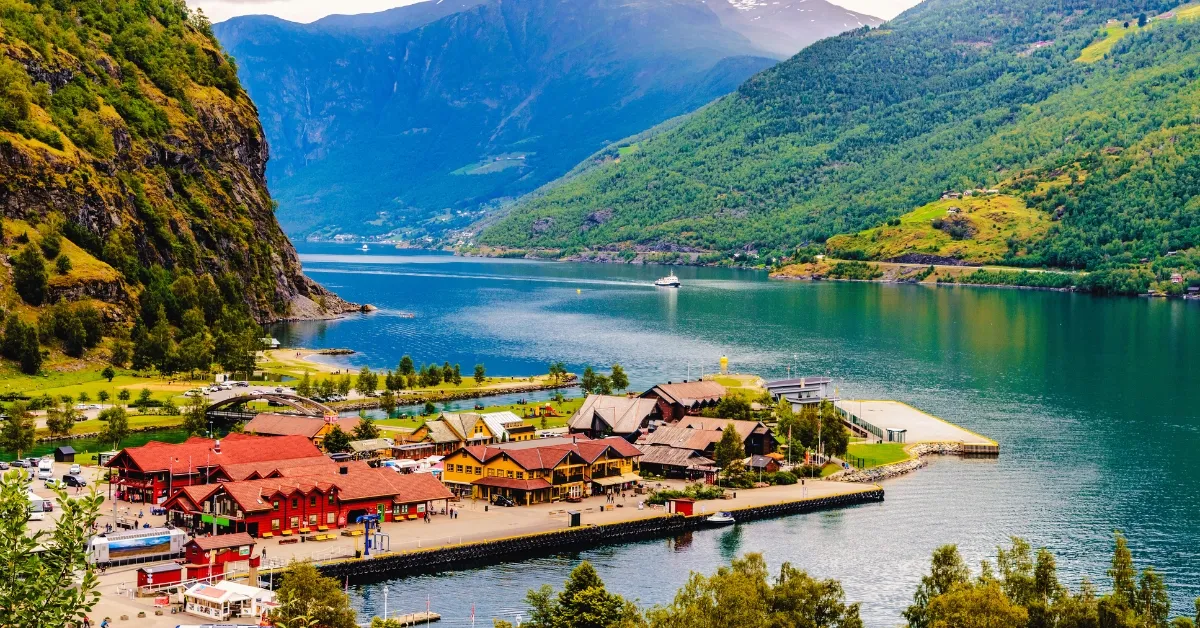
India is a truly incredible country. From the high, snow-capped mountains of the Himalayas to the warm, sandy beaches of the South, it is a land full of amazing sights. You can find lush green forests, peaceful backwaters, huge deserts, and bustling, ancient cities. Every state, every region, has its own unique charm and beauty. It's no wonder people often compare parts of India to famous spots around the world. Have you ever heard someone say a particular Indian hill station looks like Switzerland? Or that a desert region reminds them of the Middle East? Did you know there are beautiful places in India that are so stunning they are compared to the famous fjords and scenic landscapes of Norway? Do you know the specific place known as the Norway of India? In this article, we'll uncover this hidden gem. We'll explore where it is, what makes it so special, and why it has earned this prestigious nickname.
ALSO READ| Which Place Is Known as the Amsterdam Of India?
Which Place Is Known As The Norway Of India?
Both the Dibang Valley in Arunachal Pradesh and Narkanda in Himachal Pradesh are popularly referred to as the Norway of India, each for a different aspect of Norway's natural beauty.

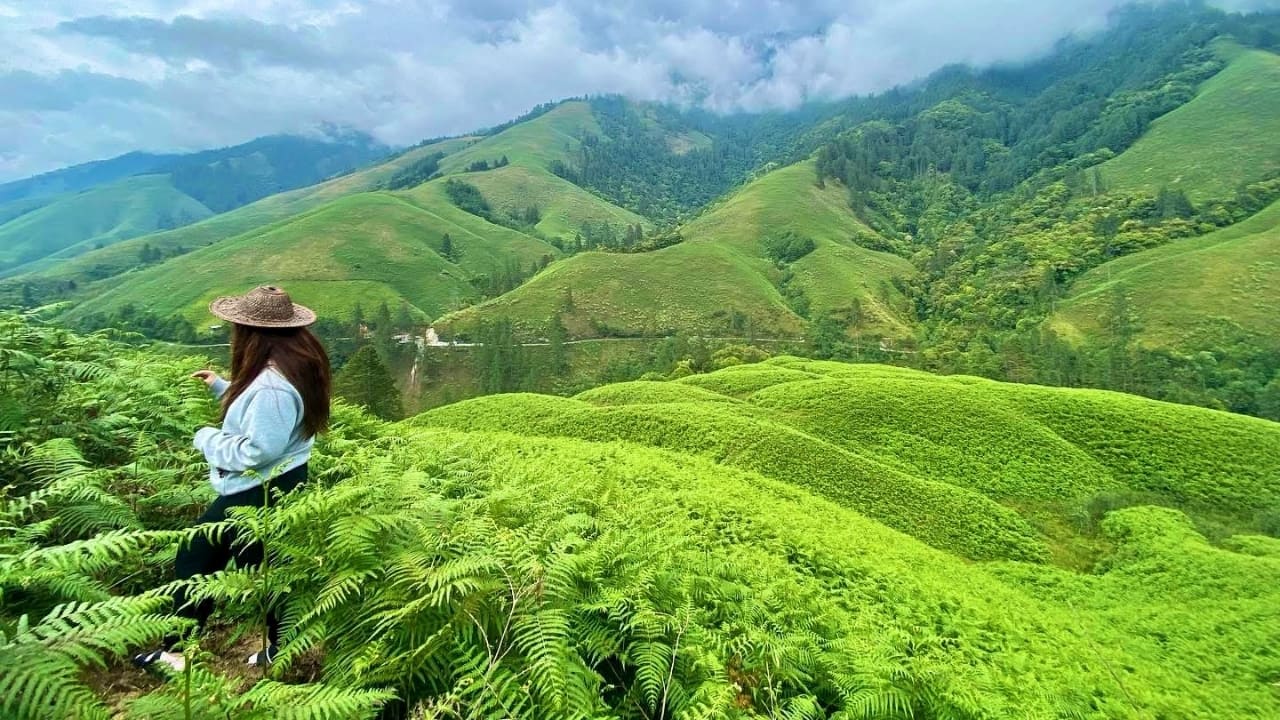
The Dibang Valley district, located in the far northeastern state of Arunachal Pradesh, is often called the Norway of India due to its striking, fjord-like deep valleys and gorges, carved by the mighty Dibang River and its tributaries as they cut through the steep, snow-capped Mishmi Hills. The comparison is drawn from Norway's dramatic and deep coastal inlets (fjords).
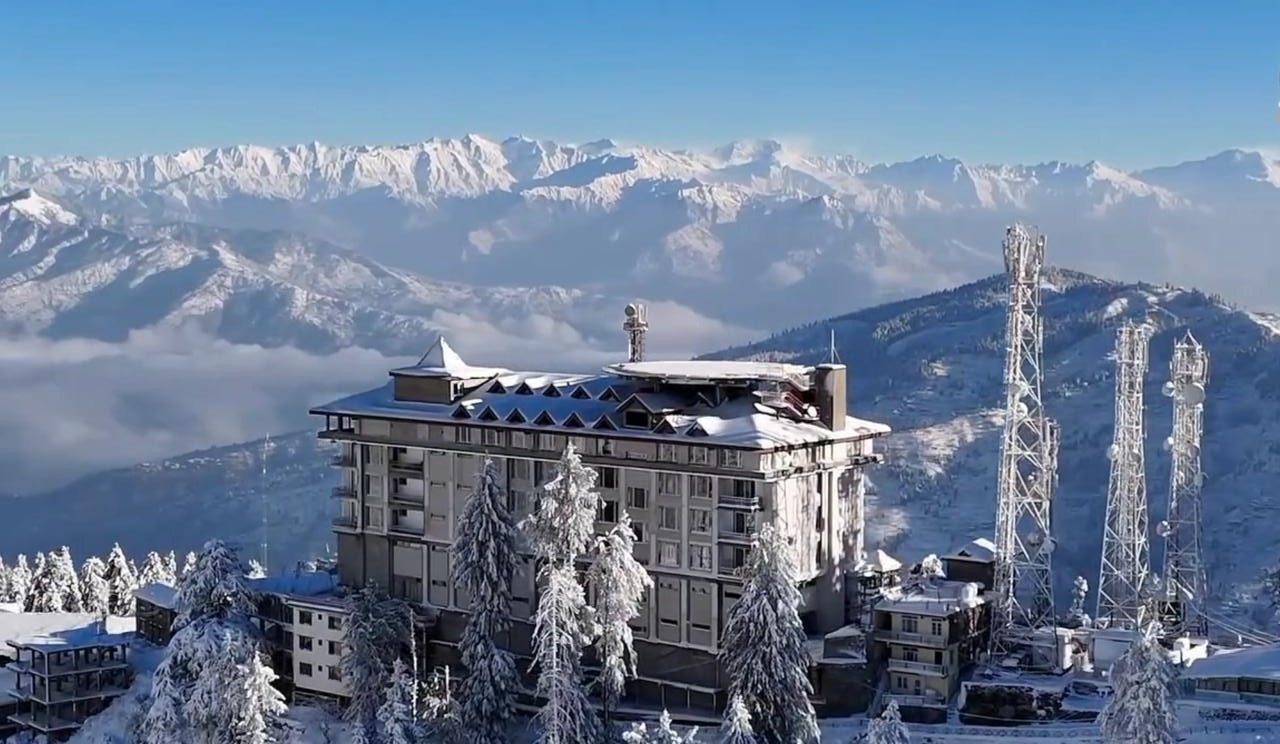
Narkanda, a town located in the Shimla district of Himachal Pradesh, is sometimes referred to as the Norway of India primarily for its potential and reputation as a premier winter sports destination. Norway is globally famous for skiing and winter activities. Narkanda, situated on the Hindustan-Tibet Road at an elevation of 2,708 meters, has gentle, undulating slopes that are ideal for skiing and winter sports, attracting enthusiasts who seek Nordic-style snow landscapes.
IN CASE YOU MISSED| Which Place Is Known As The Scotland Of India?
10 Lesser-Known Facts About Dibang Valley & Narkanda
Here are 10 interesting and lesser-known facts about Dibang Valley and Narkanda:

- Dibang Valley has the lowest population density in India, with fewer than one person per square kilometre (as per the 2011 census), making it one of the most secluded regions.
- The valley is the natural habitat of the rare Mishmi Takin (Budorcas taxicolor), an endangered large mammal often called a 'goat-antelope', which is a flagship species of the Dibang Wildlife Sanctuary.
- The region is a treasure trove of medicinal plants, including the highly valued Coptis Teeta (Mishmi Teeta), a bitter herb traditionally used for fever and various ailments.
- The valley lies near an ancient route that historically connected the region with Tibet (China) via high mountain passes like the Yonggyap La.
- The valley boasts numerous waterfalls, including one near the district headquarters, Anini, where the water is so cold that it is said to retain its chill even in summer.
- The Dibang Valley lies within the Eastern Himalayan Global Biodiversity Hotspot, one of the world's most biologically rich but threatened regions, containing an exceptional number of endemic species.
- The renowned Stokes Farm near Narkanda is credited with pioneering apple cultivation in the region. Samuel Evans Stokes, an American who settled here in the early 20th century, introduced the modern apple variety, transforming the local economy.

- Narkanda is strategically situated on the historic Hindustan-Tibet Road (NH-5), an ancient trade route vital to trade between India and Tibet.
- While a popular winter ski spot, its high altitude allows for a second, less-known skiing period during the late spring months in the highest reaches of the slopes.
- The surrounding forests of Narkanda are dominated by Conifer species like Abies pindrow (Fir) and Picea smithiana (Spruce), reflecting the typical cold-temperate zone flora similar to the sub-boreal forests of Scandinavia.
- he surrounding forests are dominated by Conifer species like Abies pindrow (Fir) and Picea smithiana (Spruce), reflecting the typical cold-temperate zone flora similar to the sub-boreal forests of Scandinavia.
- The Narkanda region is near the major watershed between the catchment areas of the Sutlej River (a major Indus tributary) and the Beas River, affecting the regional water flow and glacial melt drainage.
Why is Dibang Valley known As The Norway of India?
 Dibang Valley, located in the northeastern state of Arunachal Pradesh, has earned the evocative title of "The Norway of India".
Why is it called the Norway of India?
The primary reason Dibang Valley in Arunachal Pradesh is known as the Norway of India is its geomorphology. Dibang Valley features dramatic, deep-cut river gorges carved by the Dibang River and its tributaries (the Dri, Mathun, and Talon). These steep, narrow valleys closely resemble the iconic U-shaped, glaciated valleys of Norway, the Fjords.- Topography: Both regions exhibit rugged, high-altitude mountain terrain. Anini, the headquarters, sits at approximately 1,968 metres, surrounded by snow-capped peaks that create a "Nordic" silhouette.
- Climate & Biodiversity: Like Norway's subarctic and temperate zones, Dibang Valley experiences a temperate climate with heavy winter snowfall. It is part of the Eastern Himalayas Biodiversity Hotspot, home to rare flora and fauna such as the Mishmi Takin, similar to the unique wildlife found in Scandinavian wilderness.
- Population Density: Scientifically, the "remoteness" is quantifiable. Dibang Valley has a population density of only 0.8 persons per sq. km (2011 Census), making it the most sparsely populated district in India, mirroring the isolated, tranquil nature of rural Norway.
Historical and Cultural Reasons
- Historically, the nickname gained traction as explorers and British administrators in the early 20th century began documenting the region's "alien" and breathtaking beauty.
- For centuries, the valley was inhabited by the Idu-Mishmi tribe, who lived in relative isolation. When British officers like F.M. Bailey reached the confluence of the Dri and Mathun rivers in 1913, they were struck by the "un-Indian" landscape that felt more like Northern Europe.
- Additionally, just as Norway's history is tied to its rugged fjords that separate communities, the deep gorges of Dibang Valley historically acted as natural barriers, preserving the unique shamanic-animist culture of the Idu-Mishmi people.
Why is Narkanda known As The Norway of India?
Scientific and Geographical Reasons
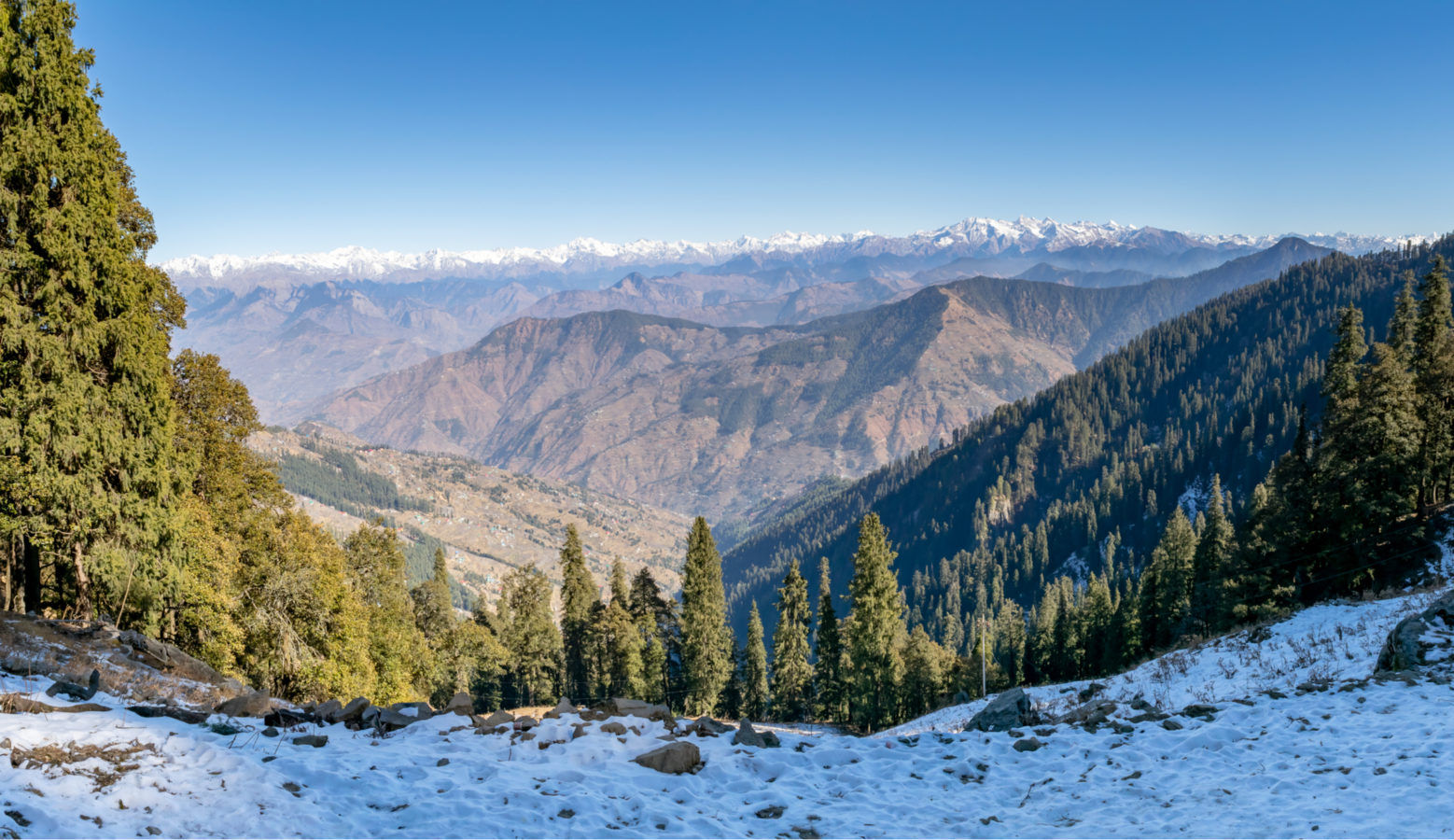
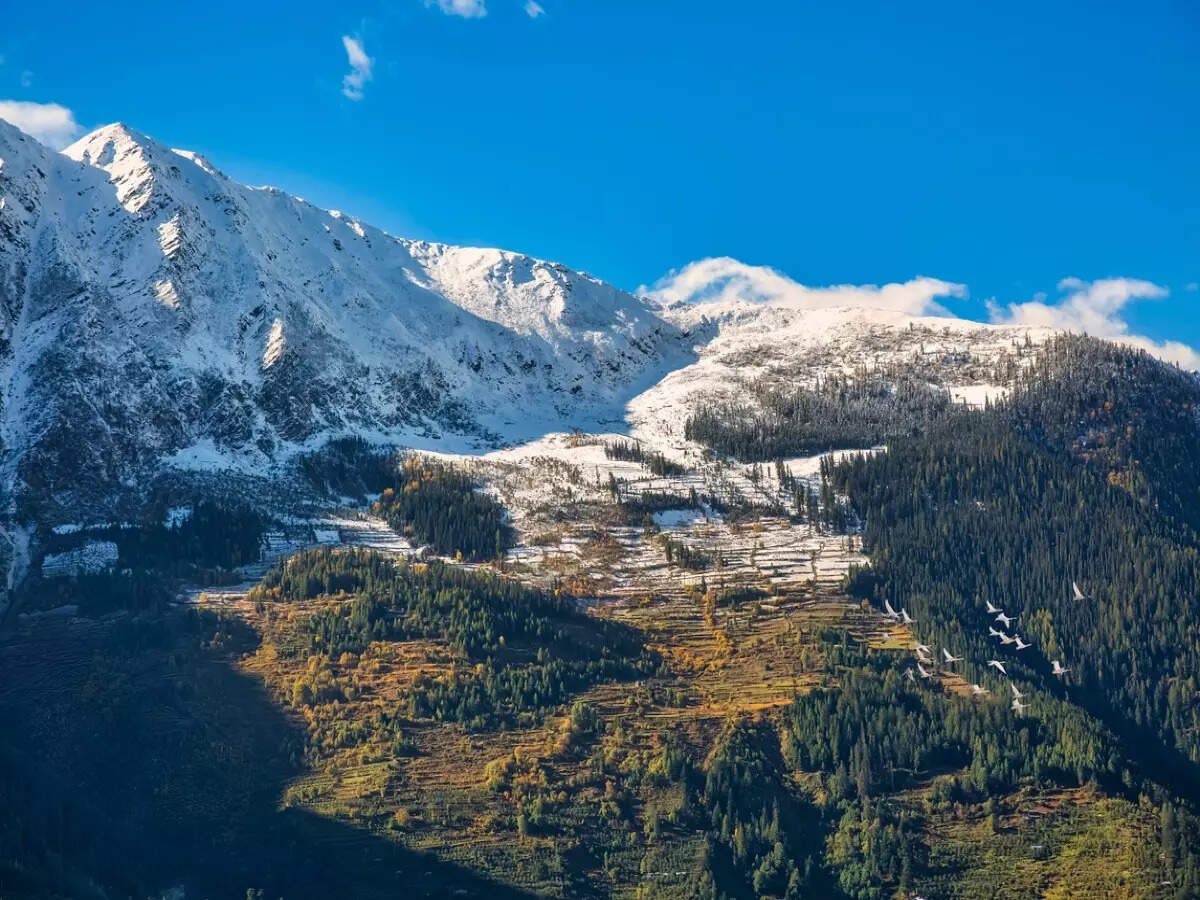
- Narkanda is situated within a dense forest of Abies pindrow (Fir) and Picea smithiana (Spruce). These conifer species are biologically similar to those found in the Taiga and sub-boreal forests of Norway.
- At an elevation of 2,708 metres, Narkanda experiences "dry powder snow" during the winter months (December to March). This type of snow is highly sought after for skiing, similar to conditions in Nordic regions.
- Geologically, Narkanda sits on the ridge that forms the watershed between the Sutlej and Beas river basins.5 This high-altitude "saddle" creates a unique microclimate with colder, more sustained winters than the surrounding valleys.
Historical and Cultural Reasons
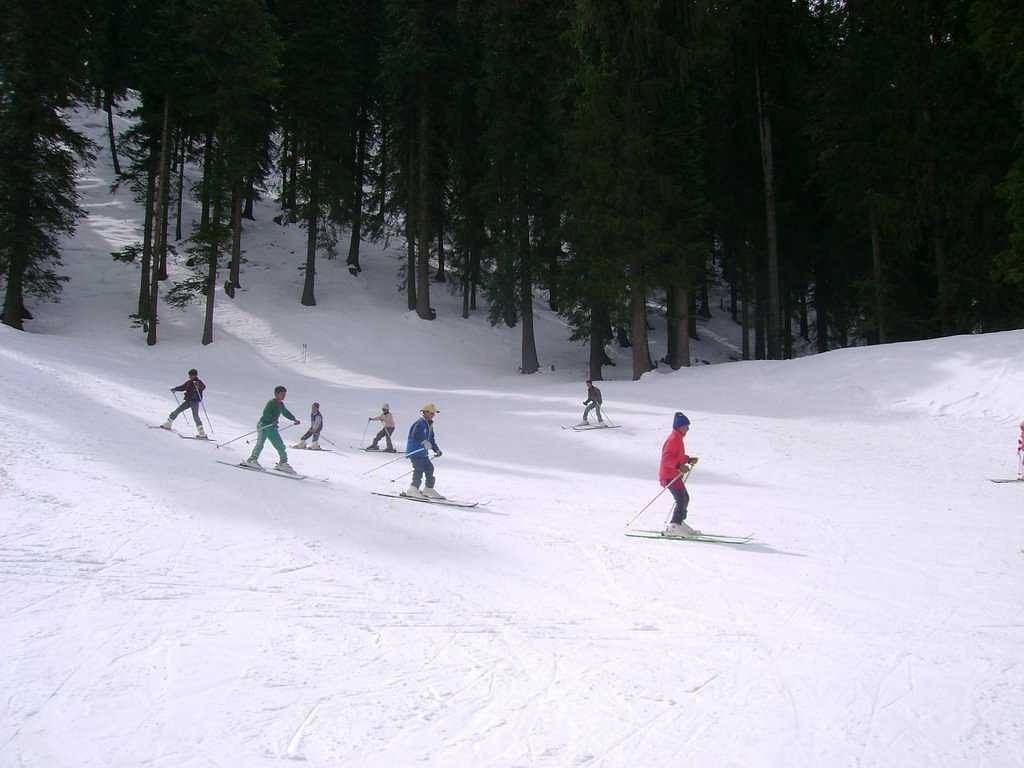
- India's Oldest Skiing Hub: Norway is the birthplace of modern skiing. Narkanda, which developed its ski slopes at Dhumri in the 1980s, became one of India's first organised skiing destinations. This cultural link to winter sports cemented the "Norway" parallel.
- The Stokes Legacy: In 1916, Samuel Satyanand Stokes introduced American apples to the nearby Thanedar belt. This transformed the region into a high-yield "Apple Belt," paralleling Norway's famous fruit-growing valleys (like Hardangerfjord), which, despite their northern latitude, benefit from a temperate maritime climate to produce world-class fruit.
- The British Retreat: Historically, Narkanda was a key stop on the Hindustan-Tibet Road (built in 1850). British officers frequently noted that the mist-covered pine ridges reminded them of the rugged, quiet wilderness of Northern Europe.

Kriti Barua is a skilled digital journalist and communications professional with 4+ years of experience, currently writing for the General Knowledge section at Jagran New Media. She has established herself as a subject matter expert in History, Geography, Trending National and International News, Sports, Science, and Defence, producing clear, reliable, and search-optimised content that connects with readers worldwide.
Kriti holds a BA degree from Delhi University and a one-year diploma in TV Production and Journalism, an academic background that adds research depth and strong storytelling instincts to her writing. Her experience spans brand writing, content marketing, and digital media, giving her a sharp understanding of what makes content both helpful to readers and visible in search.
At Jagran New Media, she applies this expertise to national and international news coverage, query-based articles, and in-depth pieces across her specialist subject areas. Her content is defined by easy language, factual accuracy, strong keyword strategy, and reader-friendly storytelling.