UP Universities To Get AI Roadmaps: Governor Anandiben Patel Pushes Skill-Based Learning


Uttar Pradesh universities may see a wider integration of artificial intelligence across academics, research and other sectors following AI Manthan 2.0. Governor Anandiben Patel has called for time-bound plans, practical AI projects and greater focus on preparing students and teachers for an AI-driven future.
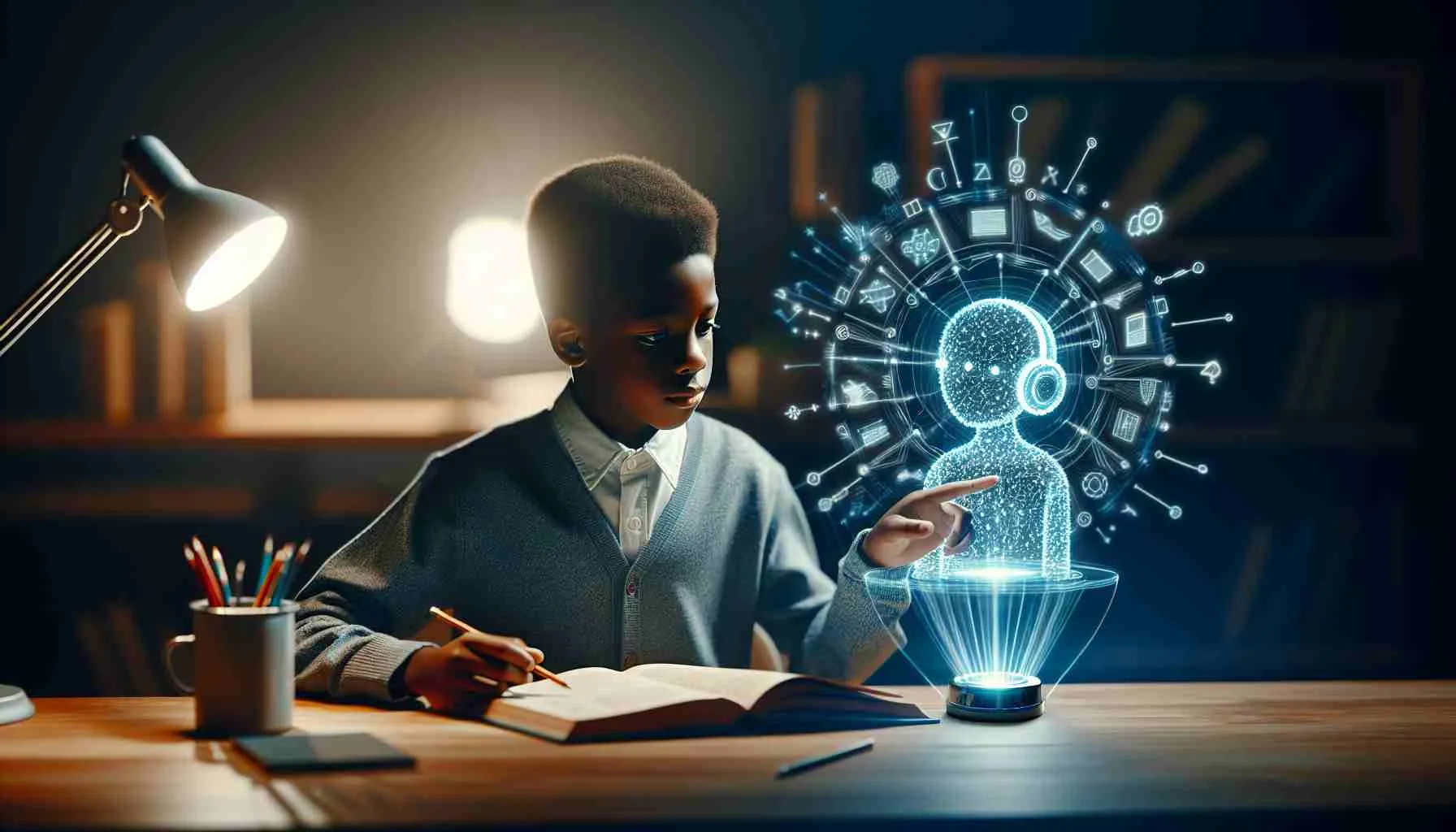
Artificial intelligence is set to become a broader part of higher education in Uttar Pradesh, with universities being encouraged to move beyond teaching AI as an individual subject and use it across different areas of learning, research and institutional work.
The push came at the conclusion of AI Manthan 2.0 at Chhatrapati Shahu Ji Maharaj University (CSJMU), Kanpur. Uttar Pradesh Governor Anandiben Patel said the discussions and recommendations from the two-day event should now be converted into an action plan. She called on universities to prepare clear, time-bound AI roadmaps covering education, research, administration, healthcare, agriculture and student skills.
Patel urged students to look at artificial intelligence as a tool for innovation rather than something to fear. “Do not fear AI; understand it,” she said, while stressing the importance of creativity, curiosity and human empathy in an increasingly technology-driven environment.
Focus On Practical Use Of AI
A key part of the Governor’s vision is to make AI learning more practical. Universities have been encouraged to involve students in projects that address real-world problems instead of limiting their exposure to classroom-based concepts.
Potential applications discussed during the event included AI-based problem-solving in mathematics, scientific data analysis, smart farming, weather forecasting, early disease detection, robotics and natural language processing.
Patel also suggested that students should use AI to work on issues such as water conservation, traffic management, malnutrition, language preservation and assistive technologies. The emphasis, therefore, is on “learning by doing” and developing solutions that have a direct social impact.
Teachers Also Need To Become AI-Ready
The proposed AI transition is not limited to students. Patel highlighted the need to prepare teachers to work with emerging technologies and said AI should be viewed as a collaborator rather than a replacement for educators.
Universities have also been encouraged to undertake selected pilot projects in areas such as healthcare and agriculture and scientifically assess their results before expanding them.
At the same time, the Governor stressed that the adoption of AI must be accompanied by safeguards. Data privacy, cybersecurity, fairness, transparency and human judgement, she said, should remain central to the use of the technology.
New Groups To Drive AI Initiatives
To take forward the recommendations of AI Manthan 2.0, two mechanisms have been announced — an AI Policy Advisory Group and an AI Implementation Group of Vice Chancellors.
The five-member policy group will be chaired by Professor P P Chakrabarti, Director of IIT Kharagpur. Professor V Ramgopal Rao of BITS Pilani, a representative from the agriculture sector, Dr Preetika Rangarajan of AIIMS New Delhi and CSJMU Vice Chancellor Professor Vinay Kumar Pathak are also part of the group.
The implementation group will bring together representatives from technical, medical, agricultural and general higher education. The initiative is not expected to remain limited to a fixed set of universities, with institutions potentially being added according to their expertise.
Uttar Pradesh’s Existing AI Push
The latest initiative builds on AI Manthan 1.0, which was organised at AKTU in Lucknow.
According to the Governor, more than seven lakh undergraduate students in state universities have already completed foundational AI courses, while over three lakh students have received cybersecurity training in Hindi medium. AI-enabled technical assistance has also been used in evaluating more than three lakh answer scripts.
The next phase is expected to focus on turning such initiatives into broader institutional programmes. Universities with long academic histories have also been encouraged to digitise their old documents and photographs, creating datasets that could potentially be used for AI training and model development.
With the latest roadmap, the focus is shifting from simply introducing AI courses to building an ecosystem where students, teachers and universities use the technology for research, innovation and solving practical problems.