Neanderthal vs. Homo Sapiens: Who Was Truly More Advanced?
Neanderthal vs. Homo Sapiens: Who Was Truly More Advanced? Humans and Neanderthals evolved distinct physical builds and skull shapes to survive different climates. Discover the real differences in the Neanderthal vs human debate. Explore new 2026 genetic breakthroughs, skull shapes, and why they vanished.

Homo sapiens and Neanderthals (Homo neanderthalensis) shared the Earth for thousands of years, walking the same landscapes and even interbreeding. Humans and Neanderthals evolved distinct physical builds and skull shapes to survive different climates, their cognitive and cultural abilities were remarkably similar. Neanderthals never fully disappeared, leaving a lasting 1% to 2% genetic legacy in the DNA of modern non-African populations.
Neanderthal vs Homo Sapiens
Physical Features and Skull Shapes
A Neanderthal would stand out from modern humans primarily due to their skeletal structure evolving in the harsher, colder climates of Europe and Asia. Neanderthals developed a short, stocky physique designed to retain body heat. They possessed a flared ribcage, heavy bones, and a powerful musculature.
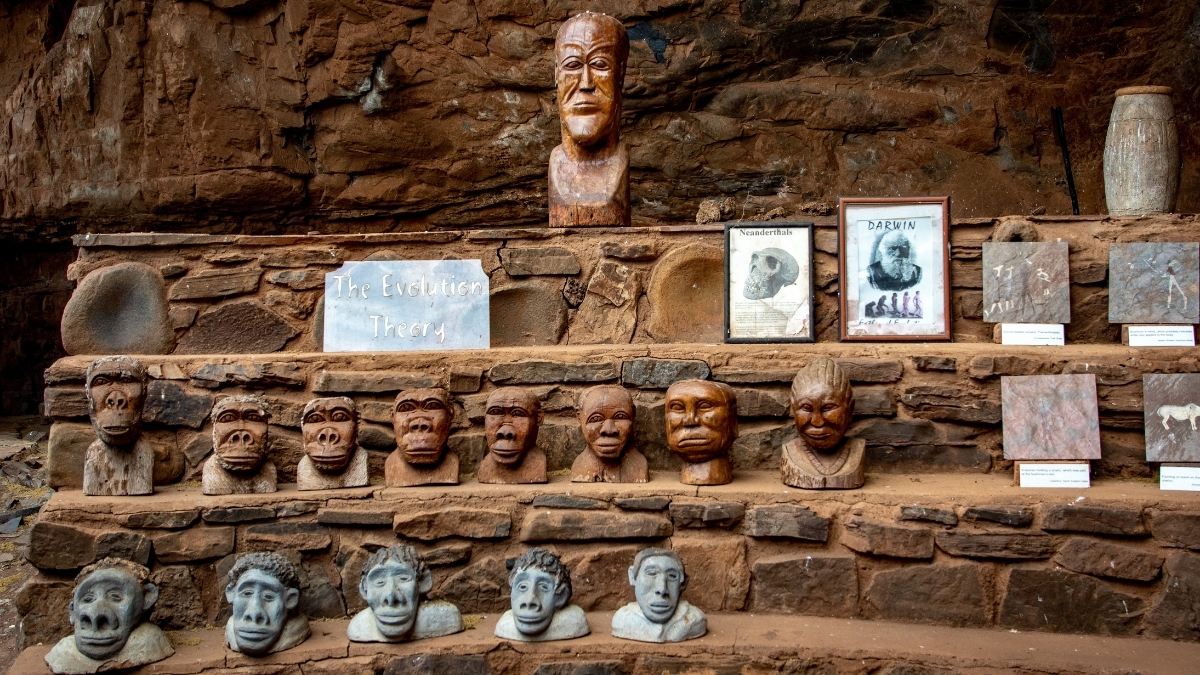
And Homo sapiens evolved in the warmer environments of Africa, resulting in taller, leaner bodies which are optimised for long-distance running and heat dissipation. Neanderthals' skulls lacked the prominent chin characteristic of modern humans and featured a backward-sloping forehead with a heavy brow ridge and
-
Physical Differences: Neanderthals were shorter, more robust, and built for cold climates, featuring a prominent brow ridge and a wider nose. Humans possess a more slender build, a distinct chin, and a rounded skull.
-
Brain Structure: Both species had similar brain sizes, but human brains are shaped differently, which are areas associated with complex language and social organization.
-
Behavior and Culture: Neanderthals were highly intelligent; they made tools, used fire, and buried their dead, mirroring early human cognitive abilities.
-
Genetic Legacy: Most modern non-African humans carry 1% to 2% Neanderthal DNA, a lasting footprint of ancient interbreeding events.
| Feature | Neanderthals (Homo neanderthalensis) | Modern Humans (Homo sapiens) |
| Brain Size | Larger (approx. 1500 cm³) | Smaller (approx. 1350 cm³) |
| Build | Short, stocky, heavily muscled (built for the cold) | Tall, lean, built for long-distance travel |
| Skull Shape | Elongated with heavy brow ridges | Round with a distinct chin |
| Extinction/Legacy | Extinct 40,000 years ago (but live on in our DNA) | Survived and populated the globe |
Did Homo Sapiens Really Outsmart Neanderthals?
Humans survived because they were significantly smarter than Neanderthals. However, recent 2026 neurological research suggests their brains were actually slightly larger than ours, though shaped differently. The human skull is globular, which allows for expanded parietal and temporal lobes areas crucial for language processing, abstract thinking, and large-scale social cooperation.
Culturally, there is no huge difference according to archaeological evidence that proves Neanderthals were skilled hunters who managed apex predators, created symbolic cave art, fashioned jewelry, and cared for the sick and elderly. They were not mindless brutes; they were adaptive, empathetic survivalists.
What the X Chromosome Reveals About Prehistoric Interbreeding
Homo sapiens migrated out of Africa around 60,000 years ago. They encountered Neanderthals in the Middle East and Europe. These encounters were not entirely hostile.
Significant genetic studies published in 2026 have reshaped our understanding of this shared history by analyzing X chromosome inheritance patterns, scientists discovered a striking biological imbalance, ancient interbreeding occurred predominantly between Neanderthal men and modern human women which highlighted the lopsided gene flow explains why certain Neanderthal markers are missing from specific parts of our genome today, while proving the two species were entirely biologically compatible.
The Genetic Intersect, We Never Truly Parted
The definitive proof of our closeness lies with Neanderthals and our own biology. When Homo sapiens migrated out of Africa around 60,000 years ago. They encountered Neanderthals in the Middle East and Europe. Genetic sequencing reveals that successful interbreeding occurred.
Today, people living in non-African ancestry inherit a small portion of their genome from Neanderthals. This genetic legacy continues to influence human immune systems, skin phenotypes, and metabolic traits today. Hence Neanderthals did not completely vanish, a piece of them lives on in us.
Also Read: What is an Ultra-Compact Stellar Binary System? A Rare Brown Dwarf Companion

Manisha Waldia is a distinguished content strategist with 5 years of experience crafting premium educational content for UPSC and State PCS, with a focus on deep conceptual analysis across Polity, Geography, History, and Environment. She currently brings this expertise to Jagran Josh, where she covers major national and international events, current affairs, and static general knowledge. Over her career, Manisha's specialized insights have led her to curate high-impact materials and serve as a UPSC Mains answer-evaluator for India’s top institutes—including Drishti IAS, Shubhra Ranjan IAS, Study IQ, GS Score, and PWonlyIAS. She has also worked alongside leading NGOs like Oxfam India and Avani Kumaon.
Contact: manisha.waldia@jagrannewmedia.com