Which City is Called the Sushi Capital of the World?
Discover why Tokyo is the undisputed Sushi Capital of the World. From its Edomae roots to Toyosu Market’s fresh catches and record Michelin stars, learn why this historic city remains the global pinnacle of sushi craftsmanship and culinary excellence today.
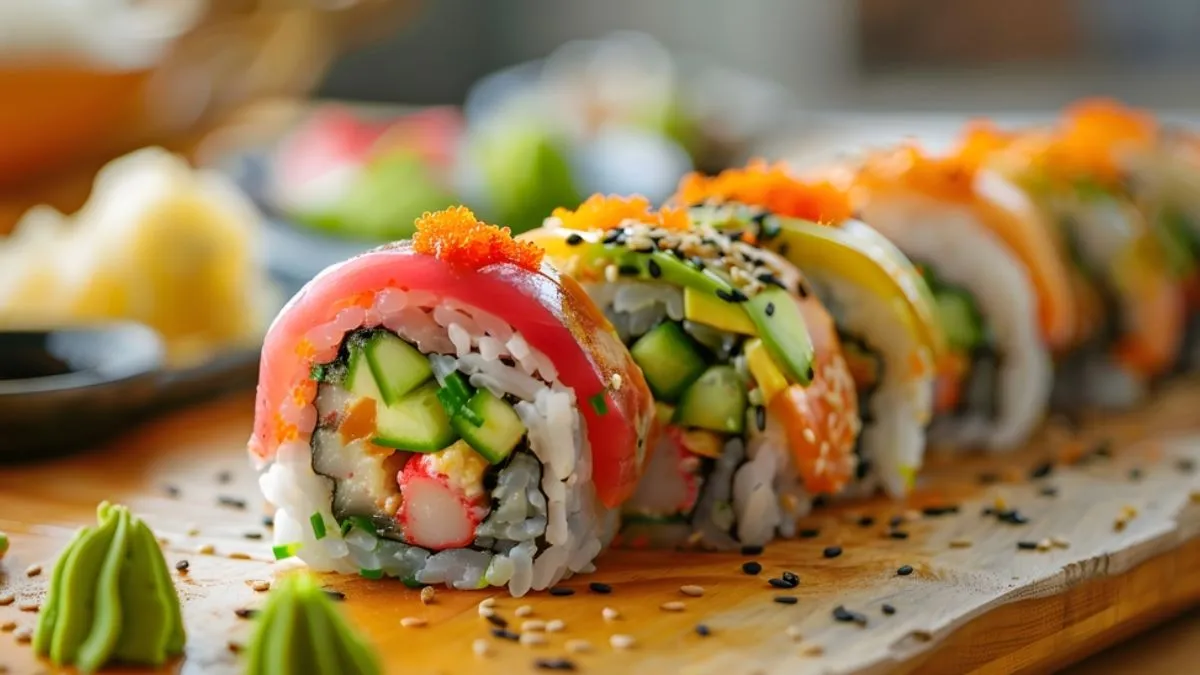
Tokyo, Japan, is universally recognised as the Sushi Capital of the World. It is the birthplace of modern sushi, home to the most Michelin-starred restaurants on the planet, and the global gold standard for sushi craftsmanship. In this article, we will explore the Sushi Capital of the World and why Tokyo is called the Sushi Capital of the World.
Which City is Called the Sushi Capital of the World?
This is Tokyo, the city of Japan, which is called the Sushi Capital of the World. While other cities in Japan—like Shiogama (which boasts the most sushi shops per capita) or Yaizu (a massive tuna hub)—often claim local titles, Tokyo is globally recognised as the "Sushi Capital of the World." This isn't just a marketing slogan; it’s backed by history, economy, and an unparalleled concentration of Michelin-starred expertise.
Source: shutterstock
Also Read: Why Does Japan Use Blue Traffic Lights Instead of Green?
Why is Tokyo called the Sushi Capital of the World?
Tokyo is called the Sushi Capital of the World, due to three main reasons, which are:
1. The Birthplace of "Modern" Sushi (Edomae-zushi)
The sushi we recognise today—slices of fresh fish over vinegared rice—was actually "fast food" for the busy residents of Edo (the old name for Tokyo) in the 1820s.
-
Edomae literally means "in front of Edo," referring to the fish caught in Tokyo Bay.
-
Tokyo chefs perfected the techniques of curing, marinating, and simmering fish to preserve them before refrigeration existed. When you eat sushi in Tokyo today, you aren't just eating a meal; you’re tasting 200 years of refined urban history.
2. Toyosu Market: The World’s Pantry
Tokyo is home to the Toyosu Fish Market, the largest wholesale seafood market on the planet. Every morning, millions of dollars worth of the world’s finest bluefin tuna and exotic sea creatures are auctioned off here.
-
The Advantage: Tokyo chefs have "first dibs" on the highest-grade catch. By the time that same fish reaches New York, London, or Paris, it has already been on a plane for 12+ hours. In Tokyo, it's on your plate within minutes of the auction.
3. The Michelin Star Concentration
As of 2026, Tokyo continues to hold more Michelin stars than any other city in the world. A significant portion of these is dedicated to Sushiya (sushi shops). From legendary spots like Sukiyabashi Jiro to modern innovators, the level of competition in Tokyo forces chefs to maintain a standard of "Shu-ha-ri" (mastery through tradition and innovation) that is simply unmatched.
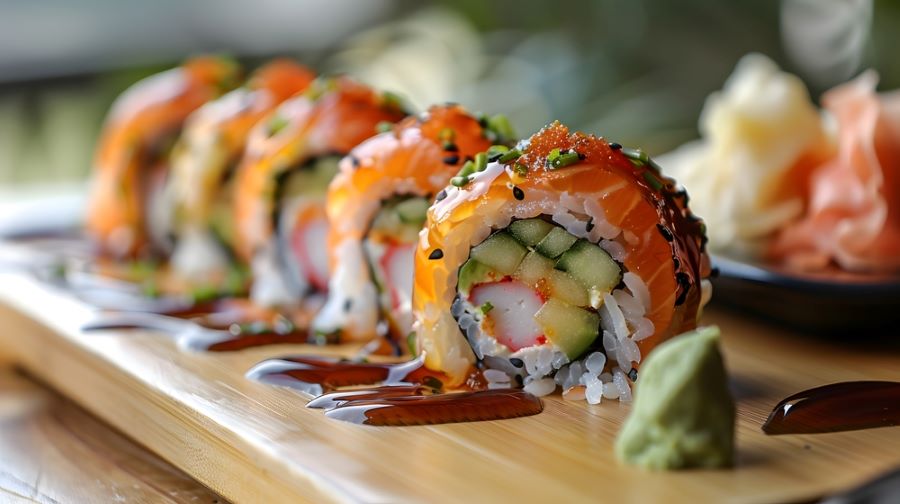
Source: shutterstock
Also Read: Which is World’s Most Popular Hot Drink?
Comparison: Tokyo vs. The Contenders
| City | Title | Why it’s famous |
| Tokyo | Global Sushi Capital | Historical home of Edomae sushi: Toyosu Market. |
| Shiogama | Japan's Sushi Capital | The highest density of sushi restaurants per person. |
| Kanazawa | The "Kitchen of Japan" | Known for incredibly high-quality seafood from the Sea of Japan. |
| Osaka | The Nation’s Kitchen | Famous for Oshizushi (pressed sushi), though less dominant globally. |
Which city is the Sushi Capital outside of Japan?
Vancouver, Canada, has been named the Sushi Capital of the World outside Japan, according to an analysis by Chef's Pencil using Google Trends data. Vancouver scored a perfect 100/100 for sushi-related search popularity among global cities.
Where was sushi invented?
Modern nigiri sushi was invented in Tokyo (then called Edo) around 1824 by chef Hanaya Yohei. He began serving fresh fish on vinegared rice at street stalls, creating what we now know as Edomae sushi — the foundation of all modern sushi styles worldwide.
Which city in Japan has the most sushi restaurants per capita?
Shiogama in Miyagi Prefecture holds this distinction within Japan. The small port town has the highest concentration of sushi restaurants per capita in the entire country, largely because its port handles more tuna than any other in Japan.
How many Michelin-starred restaurants does Tokyo have?
As of the Michelin Guide Tokyo 2026, Tokyo has 160 restaurants in the Greater Tokyo Area holding Michelin stars, including 12 with three stars — the highest rating. Tokyo has held the record for most Michelin stars of any city in the world continuously since 2007.
What is Edomae sushi?
Edomae sushi is the traditional Tokyo style of nigiri sushi, originating in the early 19th century. It uses seafood sourced from Tokyo Bay, prepared using techniques like vinegar curing, soy marinating, and simmering. The name means "in front of Edo" (the old name for Tokyo). It is the style that defines all modern high-end sushi worldwide.
Tokyo's position as the Sushi Capital of the World is the result of over two centuries of culinary tradition, relentless craftsmanship, world-class infrastructure, and an unmatched cultural reverence for the art of sushi. From the street-stall origins of Edomae nigiri in the 1820s to its current status as the city with the most Michelin stars on earth, Tokyo has never relinquished its crown. For anyone seeking to understand or experience sushi at its finest, Tokyo is, simply, where it all began — and where it continues to be perfected every single day.

Prabhat Mishra is a Subject Matter Expert and digital journalist with an extensive background in the competitive exam landscape and over 4 years of experience in education, national and international news, and current affairs. Over his tenure with top knowledge platforms like Mentorship India, IAS BABA, IAS SARTHI, and now Jagran Josh, he has a deep understanding of government exams like UPSC and State PCS, including UP and Bihar, as he has already qualified for the UPPCS 2022 Mains and Bihar 68th Mains. With his core expertise in history, polity, geography & current affairs, he specialises in creating well-researched, aspirant-centric content and simplifying complex topics for competitive examinations.