Which Is The Second Most Spoken Language In Russia After Russian?
Do you know which language is most spoken in Russia after Russian? Spoken by over 4 million people, it features unique "vowel harmony" and no grammatical genders. It is the heart of the Volga-Ural region. Let’s discover this fascinating Turkic tongue.

Languages play a central role in human culture. There are more than 7,100 languages spoken today, and each one has its own story. Some languages are much harder to learn than others. Many people think Mandarin Chinese is the hardest because it uses thousands of characters, while English is often seen as the easiest language to learn worldwide. But do you know which is the second-most-spoken language in Russia? In this article, we’ll take a look at the history and reach of this fascinating tongue.
Which is the Most Spoken Language in Russia After Russian?
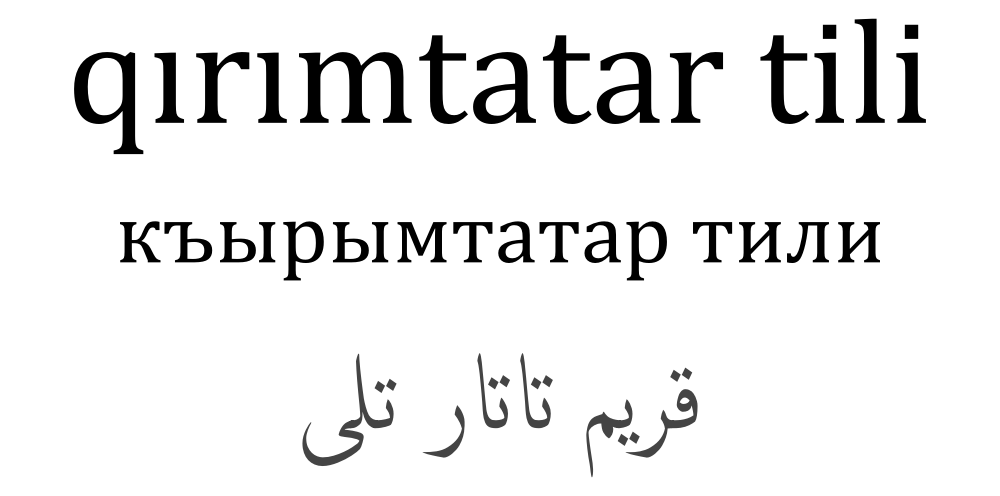
Tatar is the second-most-spoken language in Russia. It belongs to the Turkic language family and is spoken by more than 4.2 million people in the country, making up about 3% to 4% of the population. The language is centred in the Republic of Tatarstan, where it is an official language alongside Russian.
For centuries, Tatar was the primary language of trade across the Eurasian steppes. Today, most speakers live in the Volga-Ural region, especially in Tatarstan and nearby Bashkortostan, but there are also large Tatar communities in Central Asian countries such as Kazakhstan and Uzbekistan. Worldwide, about 5.2 million people speak Tatar. In Russia, the language uses a Cyrillic-based script, though it has also used Arabic and Latin scripts in the past.
5+ Lesser-Known Facts About Tatar
- Agglutinative Structure: Tatar builds complex meanings by stacking multiple suffixes onto one root word. A single word can often represent an entire sentence.
- Vowel Harmony: To create a melodic rhythm, vowels within a word must all belong to the same phonetic class (either front or back).
- Golden Horde Legacy: Part of the Kipchak branch, it became a major regional power in the 13th century, shaping the linguistic landscape of Eastern Europe.
- UNESCO "Vulnerable": Despite millions of speakers, it is labelled "vulnerable" as Russian dominates urban education and modern media.
- Global Diaspora: Beyond Russia, large speaker communities exist in Turkey, Finland, and the United States.
- Gender-Neutral: Like other Turkic tongues, Tatar has no grammatical gender; the same pronoun is used for "he", "she", and "it.
List Of The Top 7 Most Spoken Languages in Russia (After Russian)
The table below shows the most recent numbers of speakers and the main regions where these languages are spoken.
| Rank | Language | Total Speakers (Russia) | Native Speakers (Approx.) | Primary Location |
| 1 | Tatar | 4.2 - 5.5 Million | 4.3 Million | Tatarstan, Kazakhstan, Uzbekistan |
| 2 | English | 5.2 Million | Varies (Foreign) | Major Cities (Moscow, St Petersburg) |
| 3 | Chechen | 1.3 - 1.4 Million | 1.3 Million | Chechnya, Dagestan, Ingushetia |
| 4 | Bashkir | 1.1 - 1.5 Million | 1.1 Million | Bashkortostan |
| 5 | Ukrainian | 1.1 - 1.8 Million | 1.1 Million | Border regions, Crimea, Siberia |
| 6 | Chuvash | 1.0 - 1.1 Million | 1.0 Million | Chuvashia, Povolzhye Region |
| 7 | Armenian | 900,000+ | 900,000 | Southern Russia, Moscow, Krasnodar |
Conclusion: The Enduring Legacy of Tatar
In conclusion, Russian is the main official language, but Tatar is the most important minority language in Russia. More than 4.2 million people speak Tatar, making it a strong symbol of Turkic heritage in the Volga-Ural region. While foreign languages such as English are becoming increasingly popular in business, Tatar remains central to cultural identity in the Republic of Tatarstan.

Kriti Barua is a skilled digital journalist and communications professional with 4+ years of experience, currently writing for the General Knowledge section at Jagran New Media. She has established herself as a subject matter expert in History, Geography, Trending National and International News, Sports, Science, and Defence, producing clear, reliable, and search-optimised content that connects with readers worldwide.
Kriti holds a BA degree from Delhi University and a one-year diploma in TV Production and Journalism, an academic background that adds research depth and strong storytelling instincts to her writing. Her experience spans brand writing, content marketing, and digital media, giving her a sharp understanding of what makes content both helpful to readers and visible in search.
At Jagran New Media, she applies this expertise to national and international news coverage, query-based articles, and in-depth pieces across her specialist subject areas. Her content is defined by easy language, factual accuracy, strong keyword strategy, and reader-friendly storytelling.