Which State has the Most Backwaters in India?
Kerala has the most developed backwaters in India, spanning 900 km. These calm, scenic lagoons and canals are major tourist spots, like Alleppey, also supporting local livelihoods.
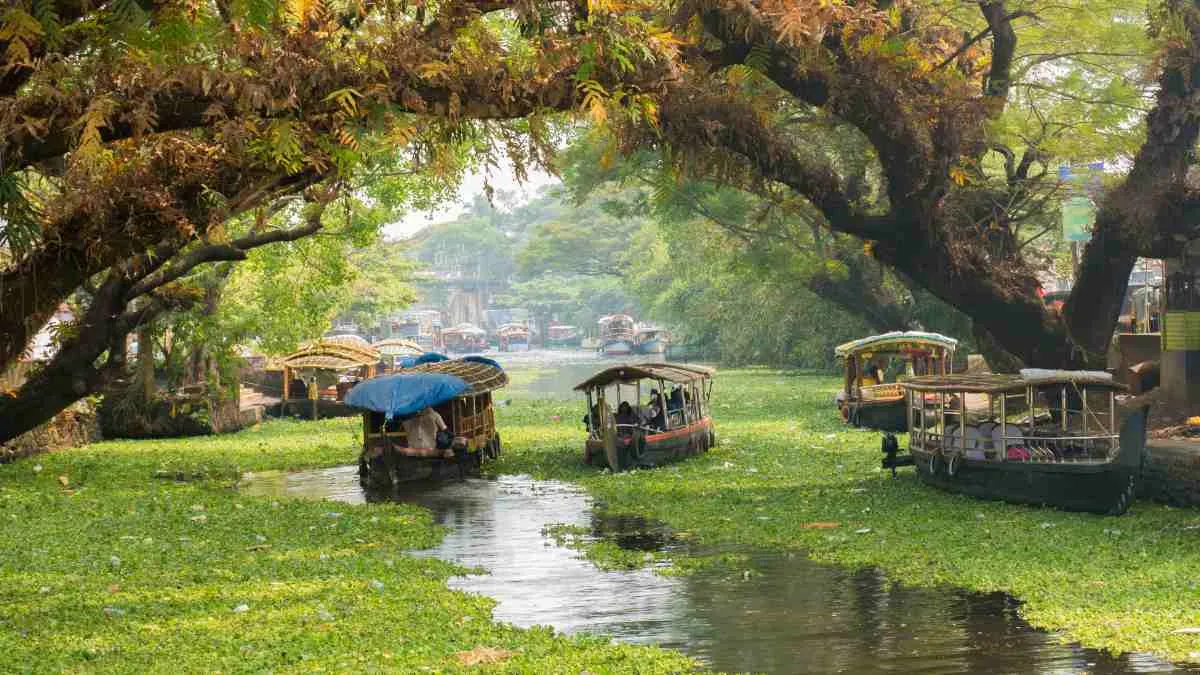
India is known for its varied landscapes, ranging from mighty mountains to large deserts and picturesque coastlines.
Out of all the various features of nature present in this beautiful country, there are some that deserve extra appreciation.
Backwaters are those calm, scenic waters of lagoons, lakes, and even canals that flow parallel to the sea. Backwaters provide great views, along with playing a role in supporting the lives of locals and making an attractive spot for tourists.
Various regions across the nation have such waters flowing through them, but which one has more of it?
Check Out: What is the Old Name of Indonesia?
Which State has the Most Backwaters in India?
Among all the states in India, Kerala has the maximum number of backwaters.
Located in the southwest region of India, Kerala is known for its vast and well-connected network of lakes, lagoons, canals, and rivers that follows the Arabian Sea.
Backwaters in Kerala spread across 900 km and become the largest and most developed backwaters in the entire country.
Tourist destinations such as Alleppey and Kumarakom are very popular and visited by tourists from around the world.
These Backwaters are not only a tourist attraction but also support livelihoods through fishing and farming.
Top 5 Most Famous Backwaters
-
Alleppey is officially known as “The Venice of the East.” It features a huge network of canals, lakes, and lagoons. Houseboat tourism is one of the most common forms of tourist activities in this place. Tourists can enjoy peaceful views along with coconut palms and village life.
-
Kumarakom is a serene and picturesque location situated on the backwaters of Vembanad Lake. It is well-known for its birdwatching opportunities and its luxurious houseboat cruises. Its calm setting makes it ideal for relaxation. Visitors can explore local culture and the lush landscape of Kerala.
-
Ashtamudi Lake is famous for its distinctively shaped eight arms. Ashtamudi Lake is the second-largest among all the lakes in Kerala, and offers an amazing houseboat journey. One can go for delightful houseboat tours on these water bodies. Moreover, these backwaters are not too crowded to visit.
-
Vembanad Lake is the largest lake in Kerala and a key component of the backwaters there. It also covers many districts. The world-renowned snake boat race takes place in the Vembanad Lake.
-
The specialty of Kuttanad lies in the unusual farming practiced there below the sea level. It is referred to as the "Rice Bowl of Kerala." The backwaters are filled with green rice fields and picturesque villages. It also offers a mix of natural beauty and traditional agricultural life.
Conclusion
India is home to several amazing backwaters, but undoubtedly, Kerala is recognized as the center of this natural attraction.
The best backwaters include Alleppey, Kumarakom, Ashtamudi Lake, Vembanad Lake, and Kuttanad.
They perfectly represent the beauty and culture of the backwaters in Kerala. Tourists can also take memorable boating trips, socialize with the locals living there, and appreciate the wonderful scenery.
Apart from being a tourist visit, these backwaters also have a cultural significance. Therefore, Kerala is the best place to visit the backwaters of India.

Ayukta Zisha is an education journalist with over three years of experience in digital media. A graduate of St. Xavier’s College, she holds a Master’s degree in English along with a certification in Digital Marketing from IIT Delhi. Backed by a strong academic foundation in the humanities, she specializes in creating educational and general knowledge content across history, geography, literature, and current affairs. During her tenure at Jagran Josh, she worked extensively on U.S. news and global developments, curating informative and engaging content for a diverse readership. Her subject expertise and ability to simplify complex topics enable her to make complex information accessible to a wide audience. Beyond journalism, Ayukta is an avid reader and a published author.