English Medium vs. Vernacular Medium Schools: Which is a Good Choice for You?
The choice between being educated in a regional language (Vernacular Medium) or in English is a balance between deep conceptual understanding and global job opportunities. Research shows that children learn concepts faster and gain higher confidence when taught in their mother tongue, especially during primary school. However, because English is the language of higher education, competitive exams, and high-paying jobs, the social demand remains strong. As there is no single "best" choice for the same, check out the complete article for more information and major differences.
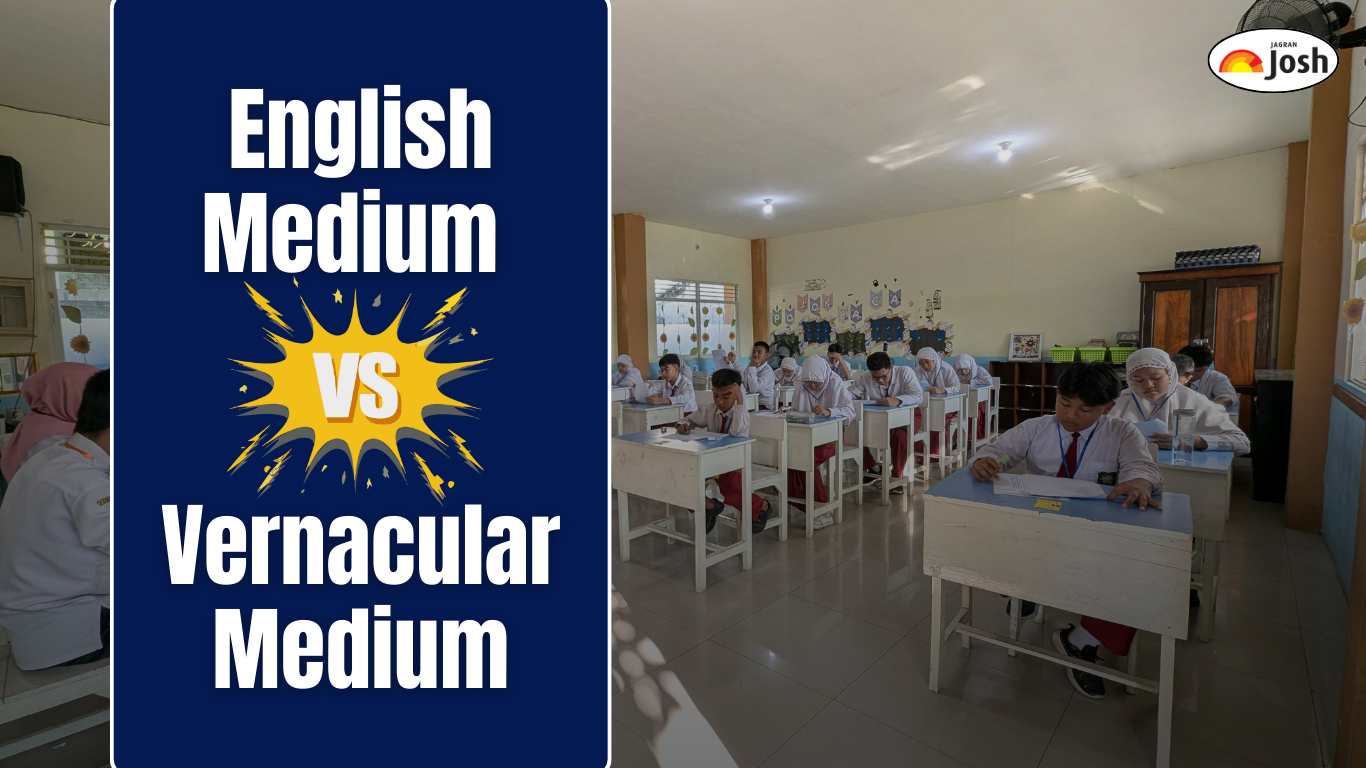
Choosing the right school medium—English or vernacular (local language)—is a major decision for parents. Both have unique benefits and drawbacks. For centuries, education relied on local, or vernacular, languages (like Hindi, Marathi, or Tamil), which allows for immediate connection between the home and the classroom. However, the rise of globalization and the service sector has created immense pressure on parents to enroll their children in English-medium schools, seeing it as a guaranteed ticket to economic success.
This article breaks down the core differences between these two systems. Choosing the right medium means looking beyond simple job prospects; it requires understanding the profound impact each language has on a child’s cognitive development, clarity of thought, social confidence, and long-term learning ability, particularly during the critical primary years (up to Grade 5), as recommended by the National Education Policy (NEP) 2020.
Understanding the Mediums
English Medium:

-
What it is: The primary language of instruction for all subjects (Math, Science, History, etc.) is English.
-
Why it's popular: It is seen as a doorway to global opportunities and higher education.
Vernacular Medium (Local Language Medium):

-
What it is: The primary language of instruction is the student's mother tongue or the local regional language (e.g., Hindi, Bengali, Tamil, etc.).
-
Why it's important: It supports learning in the language a child knows best.
Factor | Vernacular (Regional Language) Medium | English Medium |
| Conceptual Clarity | High: Concepts are grasped faster and deeper; minimum cognitive load. | Moderate/Low: Initial focus is spent on translating the language rather than the concept. |
| Ease of Expression | High: Students can express complex ideas, ask questions, and engage in debates fluently. | Variable: Students often struggle to express nuanced thoughts, leading to inhibited participation. |
| Cognitive Development | Faster: Promotes quicker development of critical thinking and creative skills in early grades. | Slower Initial Grasp: May slow down conceptual learning initially due to the language barrier. |
| Cultural Connection | Strong: Directly connects education to local culture, heritage, and values. | Weak/Disconnected: Often leads to an erosion of native language proficiency and cultural disconnect. |
| Parental Involvement | High: Parents, regardless of their education level, can easily help with homework and discuss schoolwork. | Low: Parents unfamiliar with English are cut off from the child’s academic progress. |
| Employability (Local) | Good for local employment, regional government jobs, and community-level businesses. | Excellent for local jobs in MNCs or globalized urban centers. |
| Higher Education (India) | Requires a massive shift/re-learning effort at the college entrance level (JEE/NEET/UPSC). | Direct Advantage: Aligns perfectly with the language of competitive exams and central universities. |
| Global Employability | Low acceptance outside the region; limited mobility without strong second language skills. | High acceptance for overseas studies and international job markets. |
| Teacher Quality | Teachers are often highly qualified (certified) but may lack advanced training in digital pedagogy. | Teachers are expected to be fluent in English; training often focuses on international methods and technology use. |
| Cost of Education | Highly affordable or free (in government schools). | Generally expensive (in private schools) due to higher operating costs. |
| Confidence & Self-Esteem | High: Students feel secure, have better confidence, and lower language-related anxiety. | Variable: Low self-esteem and shyness often result from fear of making grammatical errors. |
| Dropout Rate | Lower dropout rates in primary school due to the comfort of the familiar language. | Higher dropout rates observed in rural private English-medium schools when students struggle to cope. |
| Resource Availability | Textbooks often standardized (NCERT/State Board); supplemental resources may be limited. | Abundant resources (online articles, international papers, advanced video lectures) are in English. |
| Teacher-Student Interaction | More frequent, fluid, and interactive classroom discussions. | Interaction often becomes teacher-centric and monologue-style, with students hesitant to participate. |
| Focus of Learning | Focus is on the subject matter itself (Physics, History). | Focus can unintentionally shift to mastering the medium (English). |
| Learning Materials | Textbooks may sometimes be outdated or lack modern technical terms. | Materials are constantly updated to reflect global technological and scientific terminology. |
| Access to Technology | Slower adoption of digital learning tools and technical manuals. | Rapid exposure to coding, digital literacy, and English-based scientific manuals. |
| NEP 2020 Stance | Strongly Recommended until at least Grade 5, and preferably until Grade 8. | Recognized as essential for career progression, but not primary medium for foundation. |
| Market Demand | Driven by government policy and inclusivity goals. | Driven by aspirational parents and job market necessity. |
| Thinking Skills | Higher originality and depth in thinking and verbal output (since the brain isn't translating). | Thinking often involves a two-step process (native language to English), potentially slowing response time. |
Key Considerations When Choosing
The best choice is often the one that fits the child's needs and future goals. Here are a few important points to think about:
1. The Quality of the School:
-
Focus on Teaching: More than the language, the quality of the teachers and the school's curriculum matters most. A good teacher can make any language medium effective.
2. The Bilingual Approach:
-
Some experts suggest a balanced approach: Teaching subjects in the mother tongue for better understanding, while also strongly focusing on learning and mastering English as a key subject. This gives the student the best of both worlds.
3. Student's Home Language:
-
If the child speaks their native language all the time at home, they are already strong in it. The school might then focus on English to prepare them for the future.
There is no single "best" choice. If a global career and access to modern resources are the main goal, English medium may be preferred. If deep understanding, cultural connection, and strong basic comprehension are the priority, Vernacular medium can be highly effective. Many families now look for schools that offer bilingual learning to prepare their children for both local success and global opportunities.
Also Check:
Check: Difference between kendriya vidyalaya and navodaya vidyalaya
Check: CBSE vs ICSE vs State Boards – Which One Is Better for You?

Anisha Mishra is journalist with over 3 years of experience in covering the Indian education sector. She has worked extensively in the K12 domain, with focus on the state board as well as central board examinations, policy structure of seconday and higher secondary education as well as the entrance examinations like JEE, NEET, CLAT, etc. Her extensive experience in the domain has helped her provide students with concise accurate information in all aspectes of school life and education. Her key interest lies in decoding the changes in the curriculum, NEP implementation and changing education ecosystem in the country. Besides working, she enjoys traveling, exploring new places and cultures, and painting.


.jpg)
![[OUT] UPSSSC PET Admit Card 2026 LIVE: यूपी पीईटी एडमिट कार्ड जारी, upsssc.gov.in पर Direct Link](https://img.jagranjosh.com/images/2026/October/15102026/UPSSSC-PET-Admit-Card-2026.jpg)