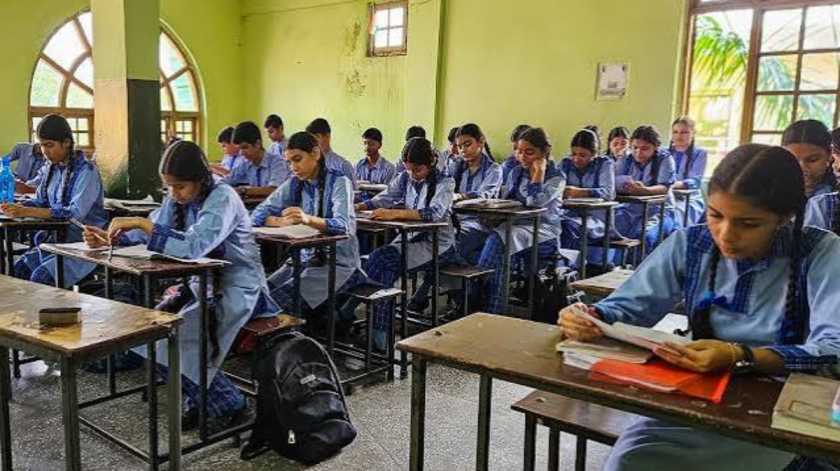
Rote Learning vs. Competency-Based Learning: 15 Key Differences Students Should KNOW?
This article delves into the fundamental differences between Rote Learning and Competency-Based Learning (CBL). It provides a comprehensive overview of each approach, detailing their respective definitions, underlying methodologies, benefits, and drawbacks. The aim is to equip educators and students with the knowledge necessary to make well-informed decisions regarding their learning strategies. Key areas of comparison include the emphasis on memorization versus critical thinking and practical skill development.
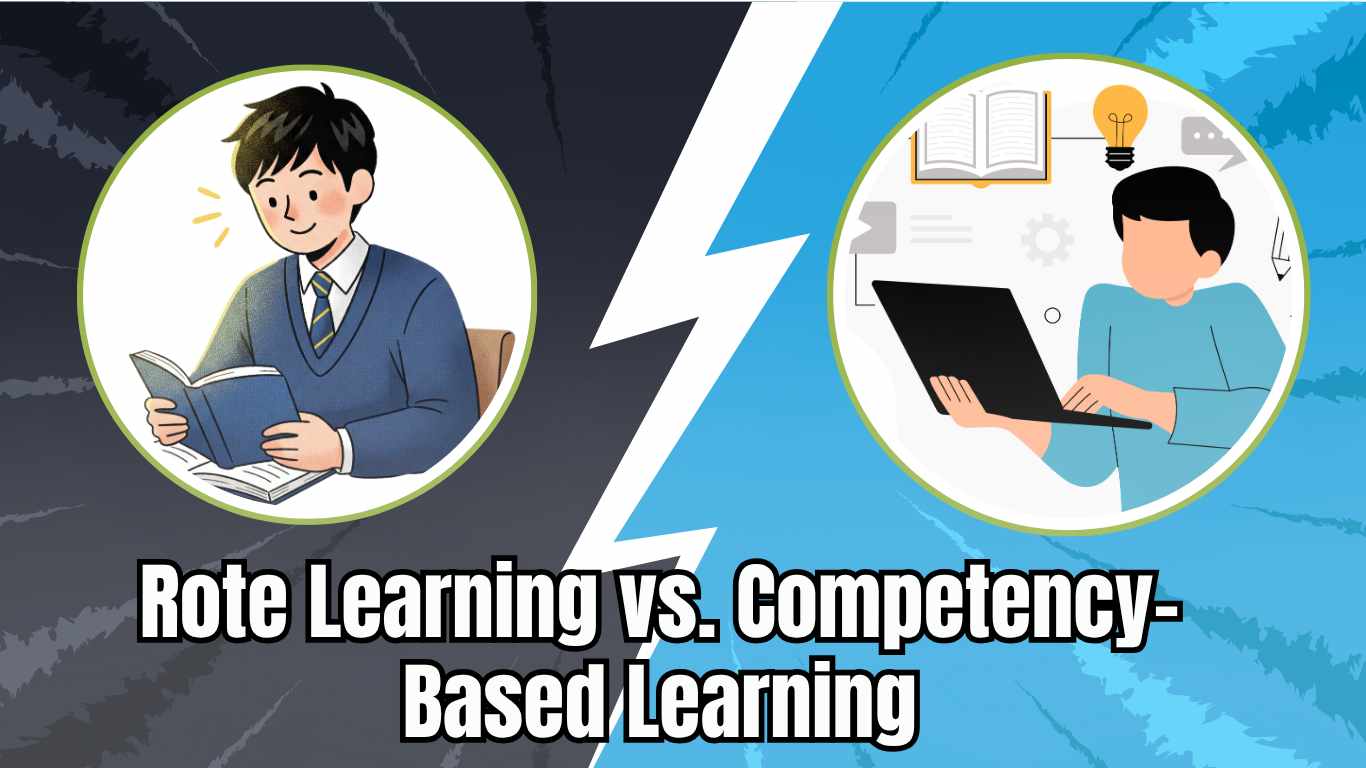
In the evolving landscape of education, two prominent learning approaches stand out: Rote Learning and Competency-Based Learning (CBL). While both aim to impart knowledge and skills, their philosophies, methodologies, and ultimate goals differ significantly. Rote learning, a traditional method, primarily focuses on memorization and recall of information, often without a deep understanding of the underlying concepts. In contrast, CBL emphasizes the practical application of knowledge and the development of specific, measurable skills, ensuring learners can effectively perform tasks in real-world scenarios.
Understanding the fundamental distinctions between these two approaches is crucial for educators, curriculum developers, and students alike. This article will explore the definitions, core principles, advantages, and disadvantages of both rote learning and CBL, providing a comprehensive analysis to help individuals make informed choices about the most effective learning strategies for different educational contexts and desired outcomes. By examining their respective strengths and weaknesses, we can better appreciate how each approach contributes to the broader educational spectrum.
Feature | Rote Learning (Traditional) | Competency-Based Learning (CBL) |
| Core Goal | Memorization and verbatim recall of facts and sequences. | Mastery of skills and practical application of knowledge. |
| Focus of Study | The "What" (content, definitions, dates). | The "Why" and "How" (concepts, skills, problem-solving). |
| Student Role | Passive receiver of information (Cramming). | Active participant and critical thinker (Problem-solver). |
| Progression | Time-bound (Students advance after a fixed period, regardless of mastery). | Mastery-based (Students advance only after demonstrating proficiency). |
| Assessment Type | Primarily Summative (end-of-year exams). Questions are often direct and theory-based. | Formative & Authentic (Case Studies, projects, real-world scenarios). Questions are complex (CBQ). |
| Learning Style | Repetition and habit formation (Cramming). | Connection-making, analysis, and transfer of knowledge. |
| Transferability | Low (Information is often forgotten or cannot be applied to new contexts). | High (Skills like analysis and critical thinking can be used in any job/context). |
| Skill Developed | Short-term memory and discipline in recall. | Higher-Order Thinking Skills (HOTS), critical analysis, and creativity. |
| Curriculum Scope | Narrowly focused on textbook material (NCERT only). | Broad curriculum, encouraging external research and diverse resources. |
| Motivation | Extrinsic (Driven by grades and marks). | Intrinsic (Driven by interest, curiosity, and practical relevance). |
| Error Handling | Mistakes are penalized; typically one chance to pass. | Mistakes are viewed as learning opportunities; students get multiple chances to achieve mastery. |
| Teacher Role | Content deliverer and lecturer. | Facilitator, mentor, and guide for practical application. |
| Typical Subjects | Formulas, definitions, dates, vocabulary (Foundational stage). | Science experiments, data analysis, ethical scenarios, business studies. |
| Exam Pressure | High, concentrated pressure on the final examination score. | Lower, distributed pressure due to ongoing assessment and portfolio work. |
| Long-Term Impact | Leads to short-term success but weak professional adaptation. | Leads to lifelong learning and strong career readiness. |
Outcomes of Rote Learning

-
Quick Recall of Basic Facts: Students can rapidly retrieve foundational information like dates, formulas, and definitions.
-
Foundation for Complex Topics: Memorized facts can serve as building blocks for understanding more intricate subjects.
-
Performance in Standardized Tests: Students may excel in exams that heavily rely on direct recall of information.
-
Limited Deep Understanding: Knowledge gained through rote learning often lacks conceptual depth and true comprehension.
Outcomes of Competency-Based Learning

-
Deep Understanding and Application: Learners grasp concepts thoroughly and can apply them effectively in various real-world situations.
-
Enhanced Problem-Solving Skills: Students develop strong analytical and critical thinking abilities, enabling them to tackle complex challenges.
-
Practical Skill Mastery: Learners acquire and demonstrate proficiency in specific, measurable skills directly relevant to their fields.
-
Increased Engagement and Motivation: The focus on practical relevance and personal progress fosters greater interest and a drive to learn.
Both Rote Learning and Competency-Based Learning (CBL) offer distinct advantages and disadvantages within the educational landscape. While rote learning provides a foundational base of factual knowledge and can be efficient for memorizing essential information, its limitations lie in fostering critical thinking, adaptability, and real-world application. CBL, on the other hand, excels in developing deep understanding, practical skills, and the ability to apply knowledge in diverse contexts, preparing learners for complex challenges.

Anisha Mishra is journalist with over 3 years of experience in covering the Indian education sector. She has worked extensively in the K12 domain, with focus on the state board as well as central board examinations, policy structure of seconday and higher secondary education as well as the entrance examinations like JEE, NEET, CLAT, etc. Her extensive experience in the domain has helped her provide students with concise accurate information in all aspectes of school life and education. Her key interest lies in decoding the changes in the curriculum, NEP implementation and changing education ecosystem in the country. Besides working, she enjoys traveling, exploring new places and cultures, and painting.