IDBI-Fairfax Bank Deal: Why Government Is Selling Its Stake, How Will It Impact Consumers? List Of 10 Major Disinvestment Moves By The GOI
The IDBI Bank-Fairfax deal worth ₹52,878 crore marks a major privatisation milestone. Explore the government's stake sale, consumer impact and 10 major strategic disinvestment moves across India.
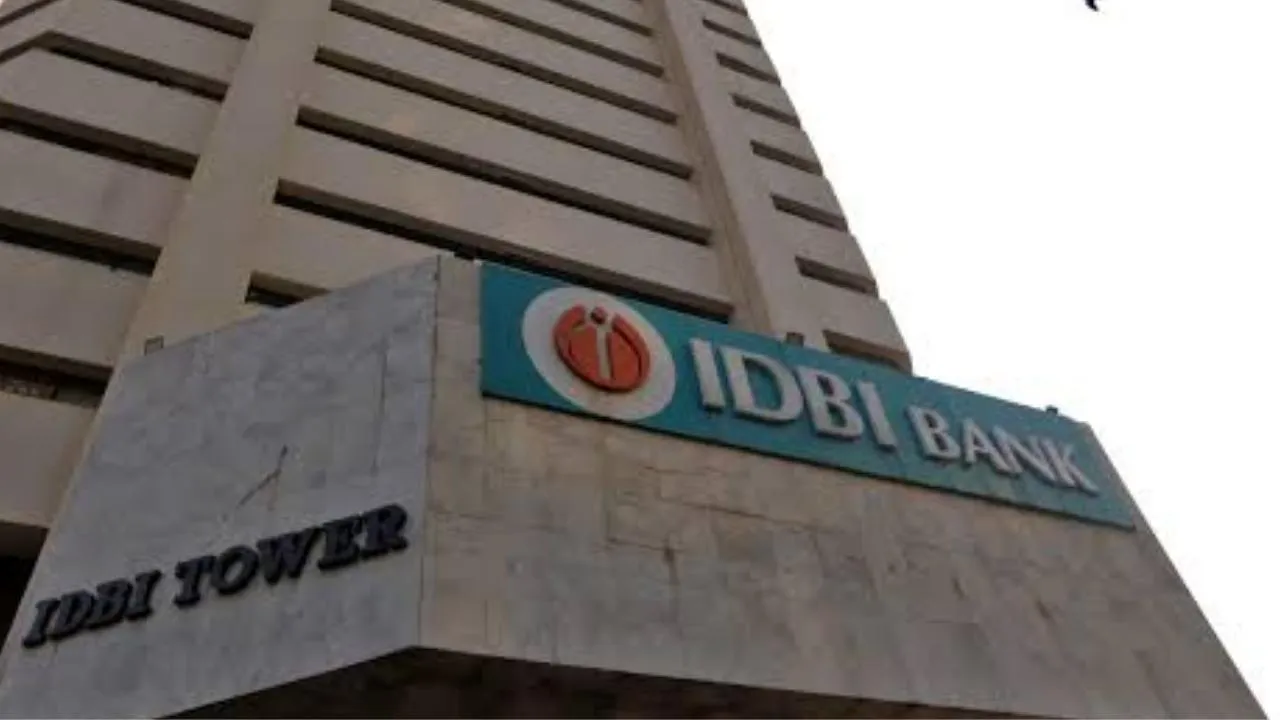
IDBI Bank And Fairfax Deal: The Indian banking system has taken a step forward in its journey of privatisation. In a recent move, the Union Cabinet has approved the strategic restructuring of IDBI Bank. It has paved the way for Canada-based Fairfax Financial Holdings to acquire a 60.72% stake for ₹52,878 crore.
Now, in a further step, the Centre will sell 30.48% of its holding and Life Insurance Corporation (LIC) will divest its stake.
This deal marks a major milestone in the banking system, with high hopes and high expectations for the largest foreign direct investment in the country's financial services sector.
As the ownership changes, let's dive into the minor details and understand the privatisation of the banking system.
IDBI Bank Deal: What Has The Government Approved?
-
Cabinet Approval: Recently On October 14, 2026, the Union Cabinet approved the strategic restructuring of IDBI Bank, paving the way for Canada-based Fairfax Financial Holdings to acquire a majority stake in the lender.
-
Deal Valued at ₹52,878 Crore: The proposed transaction is worth ₹52,878 crore, making it one of the most significant ownership changes in India's banking sector.
-
60.72% Stake on Sale: The government will sell its 30.48% stake, while LIC will divest 30.24%. Together, they will transfer 60.72% of the bank's equity to Fairfax.
-
Government and LIC Retain Minority Stakes: Following the proposed sale, the government's shareholding will fall from 45.48% to 15%, while LIC's stake will decline from approximately 49.24% to 19%. They will retain a combined 34% stake in the lender.
-
Winning Bid of ₹81 Per Share: Fairfax emerged as the winning bidder with an offer of ₹81 per share. The proposed transaction will transfer management control to the strategic investor, subject to the required regulatory approvals and completion formalities.
-
Strategic Restructuring, Not Just Disinvestment: The government has described the deal as a strategic restructuring, emphasising the bank's future growth and the role of a strategic investor rather than merely the sale of government-owned shares.
-
Largest FDI in Financial Services: The transaction is expected to become the largest foreign direct investment in India's financial services sector, bringing substantial foreign capital into the country's banking industry.
What Did the Government Say About the IDBI Bank Deal?
Ashwini Vaishnaw, Union Minister
“The way India is growing, we need more growth capital. To meet the capital requirement, we need many institutions that can provide the same and also support MSMEs. With the help of a strategic partner, new capital will be infused. This is the largest FDI in India’s financial services sector. We have followed a transparent and competitive mechanism.”
Nirmala Sitharaman, Union Finance Minister
Finance Minister Nirmala Sitharaman said the government was enabling IDBI Bank's next phase of growth after supporting its financial recovery.
She explained that attracting foreign capital while retaining a minority stake could strengthen the banking system and help banking services meet global benchmarks.
Note: This is a paraphrase of her statement, not a verbatim quotation.
Ministry of Finance: Strategic Restructuring
In its official release, the government explained the share sale and the resulting ownership structure.
“An aggregate 60.72% of the equity stake in the IDBI Bank Ltd be sold to a strategic buyer, of which, the GoI share would be 30.48% and the LIC share would be 30.24%, leaving a residual shareholding of 15% with the GoI and 19% with the LIC.”
Ministry of Finance Officials: Customer Protection
Officials also clarified that the transaction would not affect depositors or borrowers.
“The RBI continues full regulatory and prudential supervision of the bank.”
“No depositor or borrower is affected by this strategic restructuring.”
“Deposits remain insured up to ₹5 lakh per depositor under the Deposit Insurance and Credit Guarantee Corporation.”
“The mandatory 40% Priority Sector Lending target applies to all private commercial banks.”
These statements were attributed to a Ministry of Finance official speaking on condition of anonymity.
Why Is the Government Selling Its Stake in IDBI Bank?
The Indian government has faced many obstacles in the past in the financial banking system. IDBI Bank’s journey from financial distress to recovery explains the government’s decision.
The strategic decision by the government has its own purposes and aims to bring in strategic foreign investors.
Earlier, in 2017, the RBI placed the lender under its Prompt Corrective Action (PCA) framework. Then LIC infused ₹21,624 crore in January 2019, acquiring a controlling stake.
After this step, the bank has staged a remarkable turnaround:
-
Gross NPA Ratio: Declined from 31.8% in September 2018 to 2.3% in March 2026.
-
Record Net Profit: Reached ₹9,513 crore in FY2025–26.
-
Future Growth: The government aims to build on the bank’s financial recovery by bringing in a strategic investor and supporting sustainable growth.
How Will the IDBI Bank-Fairfax Deal Impact Consumers?
| Factor | Impact on Consumers |
| Bank Deposits | Eligible deposits remain insured up to ₹5 lakh under DICGC rules. |
| Banking Services | Existing banking services are not expected to change immediately. |
| Loans and EMIs | Existing loan terms will not change automatically due to the ownership transfer. |
| RBI Regulation | RBI supervision and applicable banking rules will continue. |
| Customer Experience | Future technology upgrades and improved services are possible, but not guaranteed. |
| Government Schemes | Financial inclusion and social security schemes are expected to continue under applicable guidelines. |
Government’s Top Strategic Disinvestment Moves
The Modi government has pursued strategic disinvestment to attract private investment, improve efficiency and unlock public asset value. Here are 10 major transactions across banking, aviation, power and infrastructure.
Top Disinvestment Moves by the Government of India
| No. | Company | Financial Year | Deal Value | Buyer |
| 1 | IDBI Bank | FY27 | ₹52,878 crore | Fairfax Financial Holdings |
| 2 | Hindustan Petroleum Corporation (HPCL) | FY18 | ₹36,915 crore | ONGC |
| 3 | Air India | FY22 | ₹18,000 crore | Tata Group |
| 4 | Rural Electrification Corporation (REC) | FY19 | ₹14,500 crore | Power Finance Corporation (PFC) |
| 5 | Neelachal Ispat Nigam Limited (NINL) | FY23 | ₹12,100 crore | Tata Steel Long Products |
| 6 | THDC India Limited | FY20 | ₹7,500 crore | NTPC |
| 7 | North Eastern Electric Power Corporation (NEEPCO) | FY20 | ₹4,000 crore | NTPC |
| 8 | Kamarajar Port Limited | FY20 | ₹2,383 crore | Chennai Port Trust |
| 9 | Dredging Corporation of India (DCI) | FY19 | ₹1,049 crore | Consortium of four public port trusts |
| 10 | Ferro Scrap Nigam Limited (FSNL) | FY24 | ₹320 crore | Konoike Transport, Japan |
Disclaimer: The information is based on official announcements and reported sources available at the time of writing. The IDBI Bank-Fairfax transaction remains subject to regulatory approvals and completion formalities. This article just for educational purposes and not a financial advice.

Aishwarya Samant is a journalist with over 4 years of experience navigating the fast-paced corporate media landscape. She specializes in decoding business news, world economy, personal finance, and stock market trends, often adding a subtle touch of political perspective to keep things interesting.
Having worked with reputed organizations like ZEE, TV9, News24, and NewsX, she is no stranger to the newsroom hustle and the demands of real-time storytelling. Her writing style is fast-paced, engaging, and crafted to connect seamlessly with diverse audiences across platforms. She approaches every story from the reader’s point of view, breaking down complex topics into clear, relatable narratives backed by solid facts and credible sources. While she’s confident in expressing strong viewpoints, she ensures balance with insights. Sharp, fact-driven content that informs, engages, and keeps readers coming back for more.

-1792026923912_t.webp)