What Is Analogue Paneer? Know Why States Are Banning It and Its Health Concerns
What is Analogue Paneer? Discover why state governments like Maharashtra, Gujarat, Chhattisgarh and Himachal Pradesh have banned analogue paneer. Learn the health risks, impact on restaurants and how to spot fake paneer.
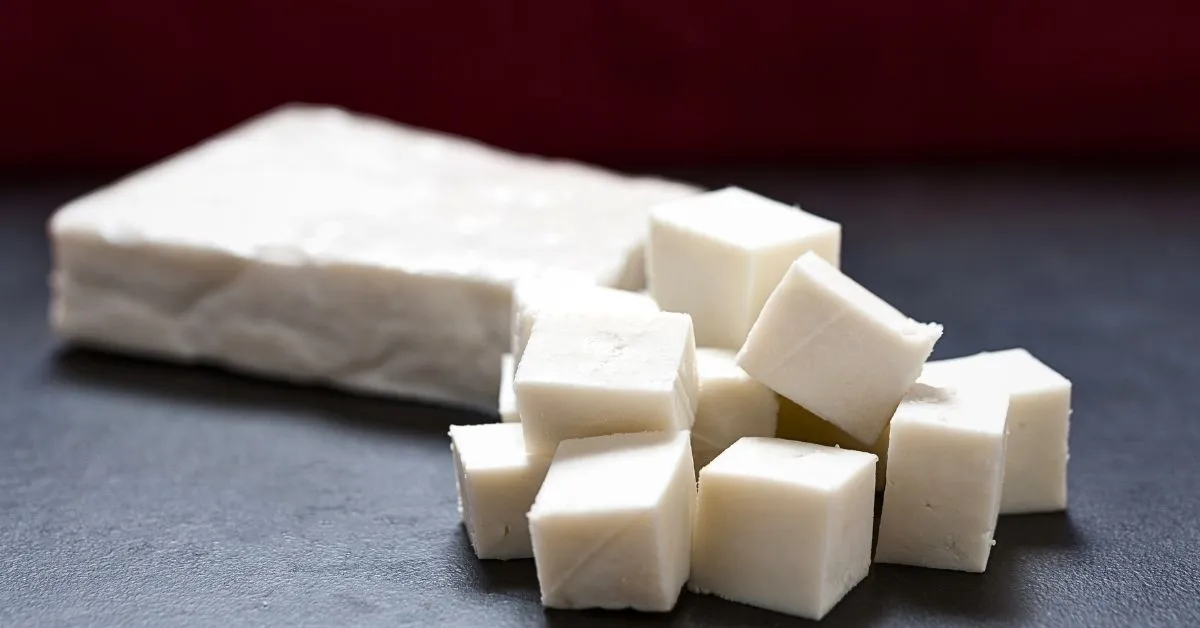
Paneer has a significant role to play in food preparations across India, especially during special occasions. In many cases when you order paneer in a restaurant or buy cheap packs of paneer from the market, you probably consume “analogue paneer” a derivative of processed paneer.
Under a strong regulatory ban, several state governments in India, including Maharashtra, Gujarat, Chhattisgarh and Himachal Pradesh, have banned the production, storage, distribution and sale of analogue non-dairy paneer being marketed as “pure” milk paneer.
The clampdown, initiated by the food departments of different state governments, is aimed at curbing cases of mislabeling, threats to public health and food safety violations.
What is Analogue Paneer and How is it Made?
Authentic paneer is described as a nutritious product made from non-homogenized dairy milk (cow or buffalo) through the use of permitted natural acidifiers such as lemon juice or vinegar under heating conditions.
Analog paneer is a highly processed imitation created to resemble the appearance, texture and cooking properties of authentic paneer at a much lower cost.
Manufacturers make use of:
-
Vegetable Fats and Oils: Such as refined soybean oil or palm oil to substitute for dairy fat.
-
Plant Proteins and Carbohydrates: Such as isolated soy proteins or pea proteins included with modified starches.
-
Chemical Ingredients: Including stabilizers and texturizers which facilitate mixing of the artificial substance.
While dairy analogues are recognized as such, misleading unsuspecting consumers by calling them genuine dairy paneer constitutes the crime of false labelling.
Why Have State Governments Banned Analogue Paneer?
The large-scale prohibitions executed by national regulatory bodies are supported by ongoing inspections and laboratory testing that showed shocking results:
-
Widespread Adulteration: According to inspections by state inspectors, many industrial products failed to meet quality standards and contained dangerous components.
-
False Advertising: Dishonest manufacturers replace expensive dairy fats with cheap vegetable oils while calling it "paneer" to cheat their clients.
-
Missing Paper Trail: Authorities claimed that large amounts were sent to wholesale without purchase invoices or batch information, which is not in compliance with the Food Safety and Standards (Labelling and Display) Regulations.
Major Health Concerns: How Can Synthetic Paneer Affect Your Body
The transformation from all-natural paneer to artificial substitutes has significant ramifications for health going forward:
-
High Trans and Saturated Fat Content: The oils and hydrogenated fats used in the manufacture of the synthetic versions can cause a significant increase in low-density lipoprotein (LDL) levels in the blood which leads to a greater likelihood of developing heart disease.
-
Lack of Essential Nutrients: The original paneer is packed with healthy protein, calcium, and other important amino acids which are mostly gone in the synthetic varieties.
-
High Sodium and Preservatives Content: The use of emulsifying salts and chemical preservatives can boost the sodium levels up to a point high enough to make it hard for people suffering from hypertension and high blood pressure to consume it.
Impacts of Analogue Paneer
The bans enacted at the state level are not limited to eliminating production units only; they have affected the hospitality sector as a whole. Not only hotels, but also restaurants, eat stalls, tourism seekers, food suppliers, etc. are expected to phase out the analogue paneer from their business.
Food services can no longer present food items that are labeled as "paneer" on their menus in a way that implies that they contain real cheese unless they announce the use of a non-dairy product.
Commercial businesses now need to maintain honest purchase invoices and provide accurate batch records in order to ensure that there are no seizures or a complete suspension of their work.
What Consumers Must Know: Purchasing Safe Dairy Products
Keep your family safe from inferior dairy products by being vigilant while shopping:
- Study the Label: Look at the ingredients lists to avoid finding substitutes such as vegetable oils, soy isolates, or chemical emulsifiers instead of pure milk solids.
- Observe the Consistency: Authentic paneer will crumble easily when subjected to pressure while fake paneer will remain elastic and firm.Use trusted brands: Look for certified dairy products coming from well-known cooperative brands promising full milk tracing guarantee.

Manisha Waldia is a distinguished content strategist with 5 years of experience crafting premium educational content for UPSC and State PCS, with a focus on deep conceptual analysis across Polity, Geography, History, and Environment. She currently brings this expertise to Jagran Josh, where she covers major national and international events, current affairs, and static general knowledge. Over her career, Manisha's specialized insights have led her to curate high-impact materials and serve as a UPSC Mains answer-evaluator for India’s top institutes—including Drishti IAS, Shubhra Ranjan IAS, Study IQ, GS Score, and PWonlyIAS. She has also worked alongside leading NGOs like Oxfam India and Avani Kumaon.
Contact: manisha.waldia@jagrannewmedia.com