What You See First? Psychology Says the Image Reveals This About Your Hidden Inhibitions
This optical illusion test provides deep insight into your mind and instinctual behavior. Your first spontaneous image response uncovers hidden inhibitions, revealing how you process information before conscious thought.

The initial image you perceive in an optical illusion is not coincidental but rather represents an insight into your mind and its processes at a deeper level. These kinds of tests are often considered to be indicative of your instinctual behavior, and they can uncover patterns in how you interpret reality, act on things, and go through life.
Your brain will select its initial response based on what it has seen most frequently or feels important within a fraction of a second, this can include your strongest attributes, greatest fears, or common behaviors that you exhibit.
The following picture can help determine if you are someone who tends to analyze every situation too long before taking action, waits for the right time to do things, protects themselves from emotional hurt, or carries more weight than anyone else silently.
You should not spend too much time analyzing what you see and respond to your first impression; at times, the simplest form of reaction can uncover a great deal about yourself.
Check Out: Personality Test: Pick a Key to Discover Your Problem-Solving Approach
What You Notice First Explains Your Hidden Inhibitions
-1778052310868.png)
What do you notice first in this picture? Don’t dwell on it; just recognize your spontaneous response.
The first thing you see gives insight into how your brain typically deals with information, showing inherent patterns in emotion, attention and the formation of judgements, which commonly occur before any conscious thinking has taken place.
Bear
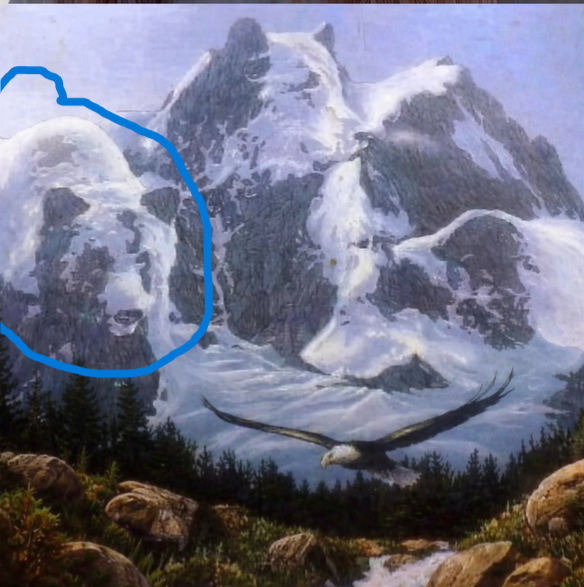
You have a unique ability to cope well with heavy responsibility. When something becomes difficult, rather than avoiding it you will directly confront the challenge at hand believing you'll discover a path forward at some point through the motion of confronting it first.
You are confident that the act of providing effort will ultimately result in clarity.
However, timing is your biggest opposition.
More often than not, you're searching for "the right state": adequate energy, sufficient motivation, that specific inner drive necessary to complete everything perfectly in one attempt.
Therefore, you want every single ounce of effort put into the project from the very first moment; hence your postponement of action.
This has little to do with ability. It has everything to do with how you think it should feel before ever taking action.
Mountains
-1778052808072.png)
The mountains you have within are the barriers that separate you from your goals. You may have big dreams for yourself; there's something beneath the surface that keeps you from moving forward. The size of your dream is not what holds you back; typically, it is the self-doubt or hesitation associated with taking action on it.
You keep telling yourself that you're "getting prepared" by learning, planning, or by some form of "waiting" until confidence develops. This is your freeze response to moving forward.
A very natural fear of trying to move forward before you feel like you have everything under your control. The desire to avoid making mistakes before they happen.
Eagle
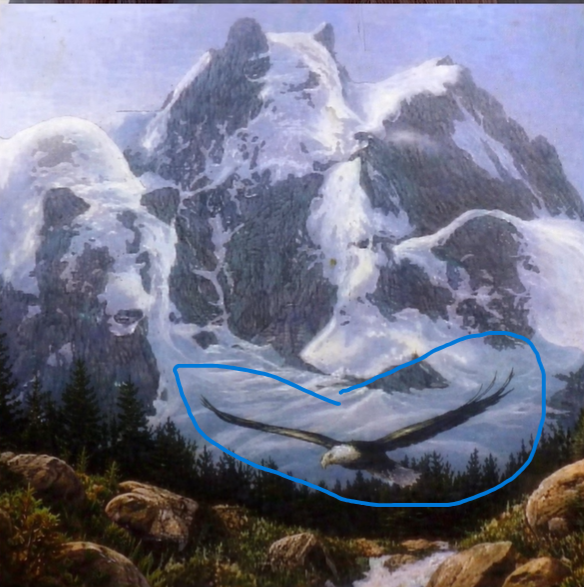
Your brain operates differently than other human beings. You are able to see patterns early, identify risk before it occurs, and create or map out future possibilities, all these things are done without any recognition from those around you. This awareness is a great strength because it provides protection and perspective for you.
However, underneath your ability to see "everything" is a perceived weakness. This same ability that allows you to see too many things causes you to hesitate and procrastinate.
You no longer move forward with your decision-making process at the rate of others. You begin multiplying your thoughts about each decision, creating many "possibilities" and representing many "doubts."
Wolves
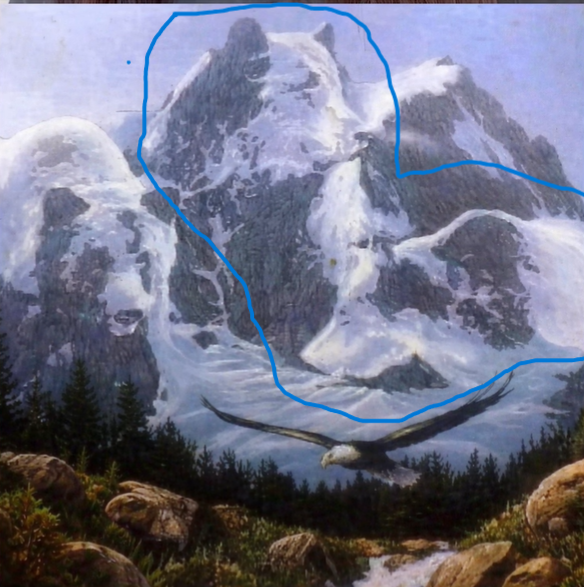
You possess amazing people skills, able to see small changes in others and understand what's happening without them saying anything, you are like an emotional radar detecting the feelings of others. Your awareness causes you to be as careful as possible. This caution leads to a lifetime of developing emotional distance from others.
You keep tight control of how yours and other people's relationships are developing, you do this for a long if not lifetime of looking and watching to make sure that you do not get disappointed by someone; it is not easy to trust someone because a person has to earn the right multiple times and be observed and tested many times if a person is to develop that type of trust with you.

Ayukta Zisha is an education journalist with over three years of experience in digital media. A graduate of St. Xavier’s College, she holds a Master’s degree in English along with a certification in Digital Marketing from IIT Delhi. Backed by a strong academic foundation in the humanities, she specializes in creating educational and general knowledge content across history, geography, literature, and current affairs. During her tenure at Jagran Josh, she worked extensively on U.S. news and global developments, curating informative and engaging content for a diverse readership. Her subject expertise and ability to simplify complex topics enable her to make complex information accessible to a wide audience. Beyond journalism, Ayukta is an avid reader and a published author.