Which Emperor Built the Red Fort?
The magnificent Red Fort in Delhi, made of red sandstone, was a home for Mughal emperors, symbolizing India's independence and heritage. This UNESCO World Heritage Site combines military strength and royal luxury. Its main attractions include the Diwan-i-Aam, Diwan-i-Khas, Rang Mahal, Moti Masjid, and Mumtaz Mahal.

Key Points
- Shah Jahan built the Red Fort in Delhi in 1638, completing it in 1648.
- Prime Minister raises the flag at Red Fort each Independence Day.
- Key attractions: Diwan-i-Aam, Diwan-i-Khas, Rang Mahal, Moti Masjid, Mumtaz Mahal.
The Red Fort is one of the most important buildings in India and was built on the banks of the Yamuna River in Delhi. It is a magnificent building of red sandstone with large walls, beautifully carved columns, and many historical events that took place inside the fort, which has stood still for over 1,000 years and will always remind us of India’s glorious past.
The Red Fort was once the home of the great Mughal emperors for the first 200 years of their rule, but even today, it continues to represent the heritage and wealth of the Mughal Empire through its design, which includes a number of architectural styles, including Persian, Timurid, and Indian.
The Prime Minister of India raises the national flag from the Red Fort each year on Independence Day; thus, the fort is not only an object of pride for all Indians who see it but also a continuing symbol of India’s independence and a permanent image of Indian culture and heritage.
Check Out: Which King Was Known as the Philosopher King?
Which Emperor Built the Red Fort?
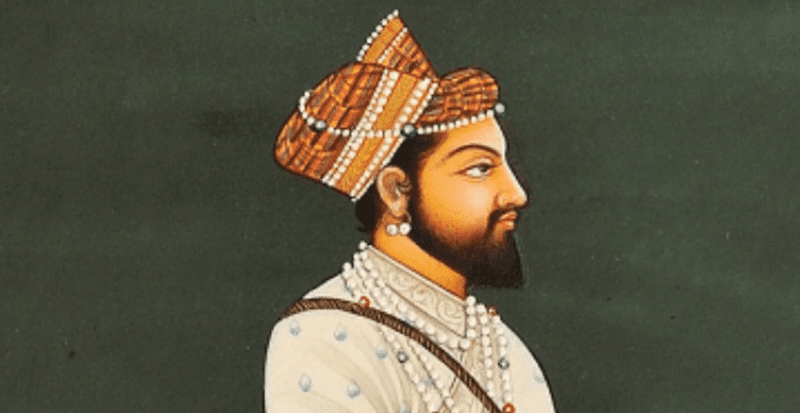
Source: Taj Mahal
The fifth Mughal emperorer, Shah Jahan constructed the Red Fort in the year of 1638 while he was also the fifth Mughal emperorer from 1628 to 1658. During his reign, Shah Jahan became known for his passion for art, architecture, and beauty, and he wanted to build an amazing fort that represented the same qualities.
Therefore, he decided to shift his capital from Agra to Delhi and commissioned this amazing piece of architecture. Construction took ten years to finalize; it was completed in 1648 and served as the center of political power for the Mughal emperors in Northern India.
The Red Fort combined a combination of military strength and royal luxury by utilizing palaces, gardens, temples, and audience halls to accomplish this objective.
Now, as a World Heritage Site designated by UNESCO, the Red Fort serves as a monument to the genius of Shah Jahan, as well as a reminder of his historical contribution to Indian history.
Why Is It Called The Red Fort?
The Red Fort derives its name from its towering walls made of red sandstone, which enclose the entire fortress area and have approximately a 2-kilometer perimeter. These tall walls have created an amazing visual impact of the fort, creating a picture of great strength, power, and greatness.
The fort is a representation of Mughal architecture; the use of the color red is an example of the imperial style of architecture used during Shah Jehan’s reign.
The fort's imposing gates, bastions, and other defensive structures also help to make a strong impression on anyone who visits the fort.
Over the years, the name Red Fort has come to refer not only to its physical walls but also to its historical, cultural, and political importance in India.
What Are the Main Attractions Inside the Red Fort?
1. Diwan-i-Aam (Hall of Public Audience)
The Diwan-i-Aam is where the emperor received members of the public, answered their petitions, and heard their grievances. The hall is spacious, and it contains a balconied area in the centre with an exquisitely carved marble throne and decorative pillars of Mughal craftsmanship.
2. Diwan-i-Khas (Hall of Private Audience)
The Diwan-i-Khas is where the emperor entertained nobles and other dignitaries. This hall is quite a bit smaller than the Diwan-i-Aam but is richly decorated with marble, gold, and precious gemstones. This is where the emperor made many of the most important decisions about the empire.
3. Rang Mahal (Palace of Colors)
The Rang Mahal, otherwise known as the Palace of Colors, is a beautiful interior area filled with mirrors that are reflected in floral patterns and finished with running water. It was used as a royal residence for the emperor's wives.
4. Moti Masjid (Pearl Mosque)
The Moti Masjid is a serene mosque that was constructed using only white marble. It is the prayer mosque of the royal family and stands as a testament to the elegance and simplicity of Mughal religious architecture.
5. Mumtaz Mahal
Inside the fort, the Mumtaz Mahal is the residence for the emperor's favourite wives. The chambers are adorned with screens cut from marble and decorated with designs representing the luxurious lifestyle that Mughal royalty enjoyed.

Ayukta Zisha is an education journalist with over three years of experience in digital media. A graduate of St. Xavier’s College, she holds a Master’s degree in English along with a certification in Digital Marketing from IIT Delhi. Backed by a strong academic foundation in the humanities, she specializes in creating educational and general knowledge content across history, geography, literature, and current affairs. During her tenure at Jagran Josh, she worked extensively on U.S. news and global developments, curating informative and engaging content for a diverse readership. Her subject expertise and ability to simplify complex topics enable her to make complex information accessible to a wide audience. Beyond journalism, Ayukta is an avid reader and a published author.