Which Fish Can Generate Electricity?
Which fish can generate electricity? Learn about the electric fish that produces electric shocks, how it generates electricity, where it lives and interesting facts about electric fish.

Key Points
- Electric eels generate up to 600 volts for hunting, defense, and navigation.
- Found in South American rivers, electric eels use electrocytes to produce shocks.
- Despite their name, electric eels are related to catfish, not true eels.
Many fish species have unique abilities that help them survive in water. Some fish can camouflage themselves, while others produce light or strong toxins. One of the most fascinating abilities found in certain fish is the ability to generate electricity. These electric fish use electrical signals for hunting, defense, and communication in their aquatic environment.
Which Fish Can Generate Electricity?
The Electric Eel is the fish that can generate electricity. It is famous for its ability to produce powerful electric shocks that can stun prey and protect it from predators. Electric eels can generate very strong electric currents, sometimes reaching up to 600 volts, which is powerful enough to affect other animals in the water.
Scientific Name of Electric Eel
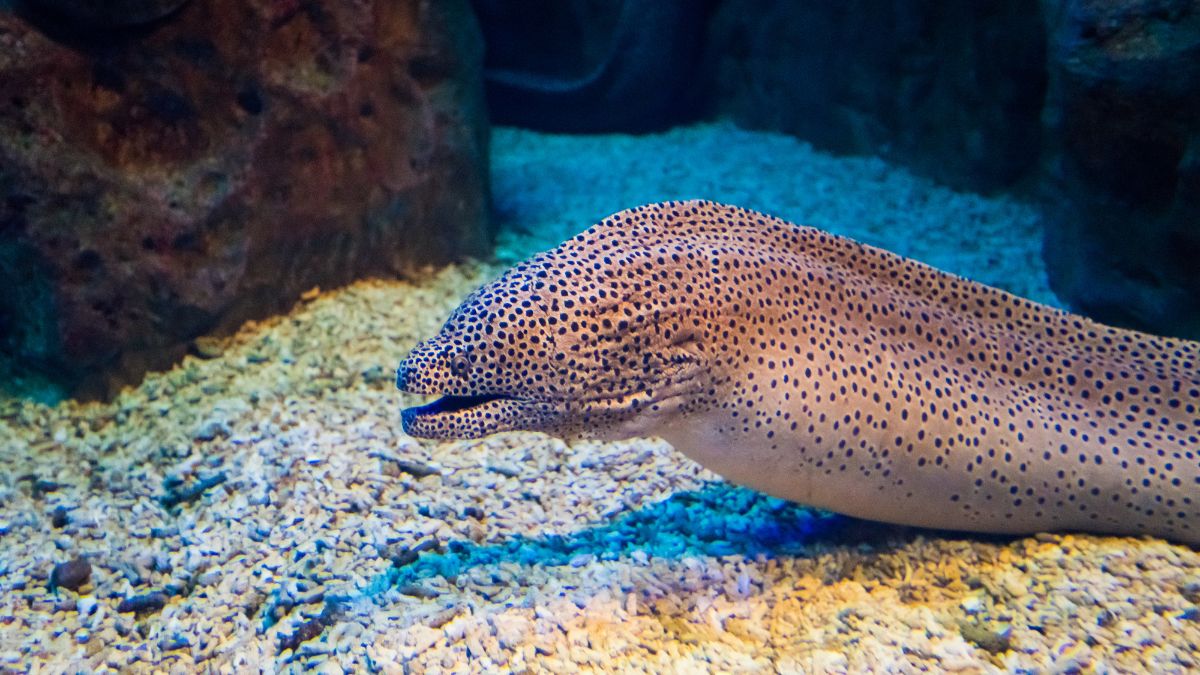
The scientific name of the electric eel is Electrophorus electricus. It belongs to a group of fish known as electric fish that can produce electrical discharges using specialised organs in their bodies.
How Does the Electric Eel Produce Electricity?
Electric eels produce electricity using special organs called electric organs, which contain thousands of specialized cells known as electrocytes. These cells work together like small batteries, generating electrical charges that combine to produce strong electric shocks.
Where Are Electric Eels Found?
Electric eels are mainly found in freshwater rivers and streams of South America, especially in the Amazon and Orinoco river basins. They usually live in muddy or slow-moving waters where visibility is low, so electricity helps them locate prey and navigate their surroundings.
Why Do Electric Eels Produce Electricity?
Electric eels produce electricity for several important reasons. They use electric shocks to stun prey, making it easier to catch small fish and other aquatic animals. They also use electricity for defense to scare away predators and for navigation and communication in dark or murky water.
Interesting Facts About Electric Fish
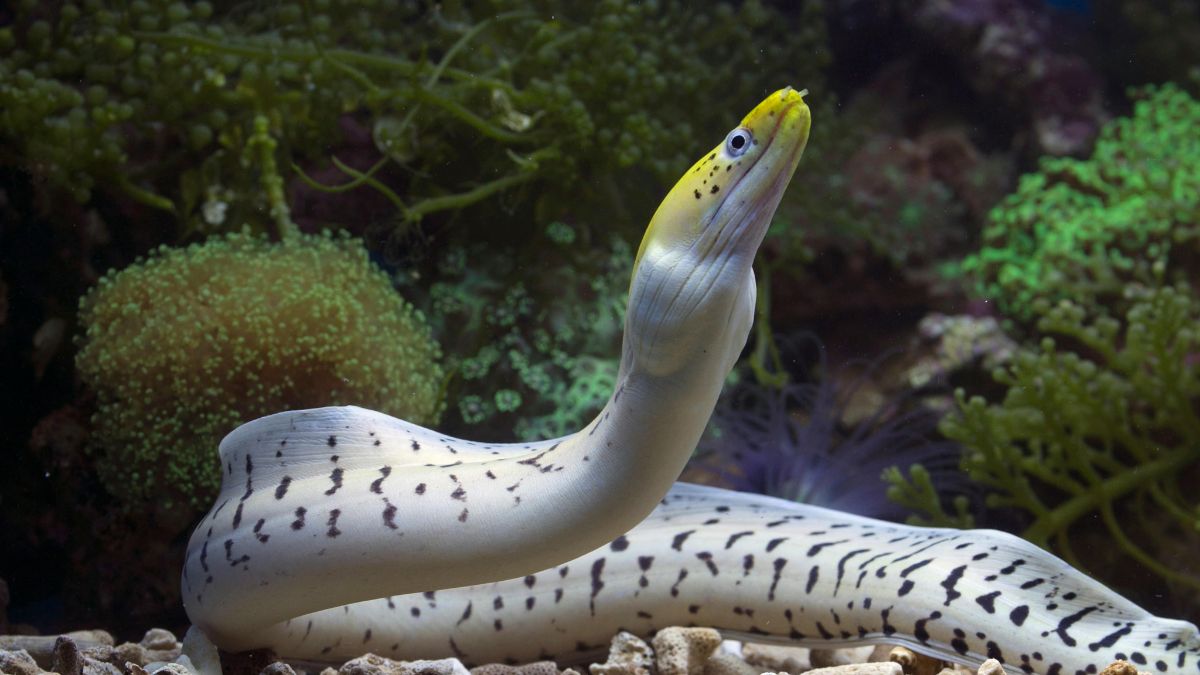
Electric Eels Can Produce Powerful Shocks
Electric eels can generate electric shocks of several hundred volts. This shock is strong enough to stun prey and even deter large predators.
Electric Eels Are Not True Eels
Despite their name, electric eels are actually more closely related to catfish and knifefish rather than true eels.
They Use Electricity to Locate Prey
Electric eels release weak electric signals that help them sense objects and animals in the water, especially in dark environments.
Electric Eels Need to Surface for Air
Unlike most fish, electric eels must regularly come to the water’s surface to breathe air because they rely heavily on oxygen from the atmosphere.
They Can Grow Quite Large
Electric eels can grow up to 2.5 meters (about 8 feet) in length, making them one of the largest electric fish species.
Read more: Which Fish Is Known as the King of Indian Rivers?
The electric eel is the fish that can generate electricity. Using specialised electric organs, it can produce powerful electric shocks to hunt prey, defend itself and navigate in murky waters. Keep reading for more such topics.

Jasreet Kaur is a journalist with over 3 years of experience in digital media and news content creation. She specializes in covering Trending News, including major National and International developments, with a focus on delivering accurate, engaging, and reader-friendly stories. Prior to this, she worked with Zee News as a Content Writer, where she gained extensive experience in news reporting and content strategy. Driven by curiosity, credibility, and a passion for impactful journalism, Jasreet aims to contribute to informed public discourse while supporting positive growth in organizations, society, and the world.

-1789481527292_t.webp)